
 17 hours ago
9

.jpeg)
.png)
Press play to listen to this article
Voice
Boswellia Dalzielii, also known as African Frankincense, is a fascinating botanical specimen with unique features that contribute to its medicinal and aromatic qualities. This tree belongs to the family Burseraceae and is native to the arid regions of West Africa. Its distinctive characteristics make it stand out in the natural world.
Boswellia Dalzielii is a deciduous tree that can reach heights of up to 15 meters. The tree's bark is notable for its papery texture and light brown to reddish-brown color. The bark exfoliates in thin sheets, revealing the tree's inner layers.
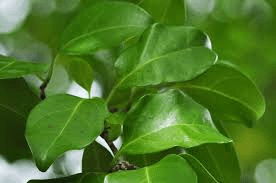
The leaves of Boswellia Dalzielii are compound and alternate in arrangement along the branches. Each leaf consists of multiple leaflets, usually numbering between five and eight. The leaflets are lanceolate or elliptical in shape, with pointed tips and smooth margins. The leaves are green and glossy, contributing to the tree's overall aesthetic.
The flowering of Boswellia Dalzielii is a remarkable event, as it gives rise to clusters of small, fragrant flowers. These flowers are typically white or pale yellow and possess a delicate, alluring aroma. The flowers are bisexual, meaning they contain both male and female reproductive structures.
Following successful pollination, the flowers of Boswellia Dalzielii develop into small, rounded fruits. These fruits are drupes, each containing a single seed. The drupes vary in color, often appearing in shades of red, orange, or brown when mature. The seeds are encapsulated within the fleshy fruit, which provides nourishment and protection.
One of the most notable characteristics of Boswellia Dalzielii is its resin-producing capability. The resin is obtained by making incisions in the tree's bark, allowing a milky substance to ooze out. Over time, this resin hardens and forms tears or lumps. This resin is the prized African Frankincense, known for its aromatic and medicinal properties.
🌿 Go Organic on Your Farm: Instead of harmful chemical pesticides and fertilisers, try our organic farming products — including neem oil spray, bio-pesticides, natural plant treatments, organic seeds and seedlings, suckers, and many more organic products that are safe for your health, your family, your soil and your harvest. Shop Now →
Boswellia Dalzielii thrives in arid and semi-arid regions, often found in savannas, dry woodlands, and rocky landscapes. It has adapted to withstand harsh conditions, making it a hardy tree in regions with limited water availability.
African cultures have long recognized the value of Boswellia Dalzielii's resin for its various uses. Traditionally, the resin was burned as incense in rituals and ceremonies, owing to its captivating scent. Medicinally, it has been used for its anti-inflammatory and pain-relieving properties.
In modern times, Boswellia Dalzielii's resin is extracted and processed for use in supplements, essential oils, creams, and other products. Its compounds, such as boswellic acids, have gained attention for their potential health benefits.
Nutritional Value of Boswellia Dalzielii (African Frankincense)
1. Boswellic Acids: These are the primary active compounds in Boswellia Dalzielii resin, known for their potent anti-inflammatory properties. They inhibit pro-inflammatory enzymes like 5-lipoxygenase, potentially reducing inflammation in conditions like arthritis and inflammatory bowel diseases. Studies suggest Boswellia Dalzielii may have a higher concentration of these acids compared to other frankincense species.
🔧 Free Farm Tool Available: Use our free Agric4Profits Farm Tools to calculate your farm profits, formulate feeds, identify pests and diseases on both your crops and animal farms, plan your planting and harvesting season, including many more farm tasks to get free expert advice and recommendations — completely free, no registration required. Access Free Tools →
2. Alpha-Pinene: A monoterpene found in the essential oil of Boswellia Dalzielii, alpha-pinene (21.7-76.6% in analyzed samples) contributes to its antimicrobial and anti-inflammatory effects. It may support respiratory health by reducing inflammation in conditions like asthma.
3. Incensole: This cembrane diterpenoid, identified in Boswellia Dalzielii stem bark, exhibits moderate antimicrobial and antioxidant activity. It may contribute to the resin’s traditional use in wound healing and infection treatment.
4. Gallic Acid: Isolated from the stem bark, gallic acid is a phenolic compound with strong antioxidant properties, helping to neutralize free radicals and protect cells from oxidative stress, which is linked to aging and chronic diseases.
5. Protocathechuic Acid: Another antioxidant compound in Boswellia Dalzielii, protocathechuic acid supports the plant’s antimicrobial properties, potentially aiding in the treatment of infections and promoting overall cellular health.
6. Myrcene: A monoterpene present in the essential oil (up to 35.2%), myrcene may have sedative and anti-inflammatory effects, contributing to the resin’s calming properties when used in traditional remedies.
💬 Have a Farming Question? Join thousands of farmers across Africa on the Agric4Profits Community — ask questions, share experiences and connect with agricultural experts. It is completely free. Ask Your Question Now →
7. Limonene: Found in concentrations of 1.1-32.9% in the essential oil, limonene has potential antimicrobial and antioxidant benefits, which may support its use in oral health and infection prevention.
8. Alpha-Thujene: This compound (2.0-17.6% in essential oil) may contribute to the resin’s antimicrobial activity, supporting its traditional use in treating microbial infections and promoting wound healing.
9. p-Cymene: Present in the essential oil (0.3-15.6%), p-cymene has antimicrobial and anti-inflammatory properties, potentially aiding in the management of infections and inflammatory conditions.
10. Triterpenic Acids: These compounds, including derivatives like 11-keto-β-boswellic acid, are responsible for anti-inflammatory and potential anticancer activities, supporting the resin’s use in managing chronic inflammatory diseases.
Read Also: 10 Medicinal Health Benefits of Alchornea floribunda (Niando)
The Medicinal Health Benefits of Boswellia Dalzielii (African Frankincense)

1. Anti-Inflammatory Properties: African Frankincense contains potent anti-inflammatory compounds that can help reduce inflammation in the body. These compounds may provide relief from conditions like arthritis and inflammatory bowel diseases.
2. Pain Management: The resin of Boswellia Dalzielii has analgesic properties that can alleviate pain, making it useful for individuals dealing with chronic pain or discomfort.
3. Respiratory Health: Boswellia Dalzielii has been traditionally used to address respiratory issues. Its compounds may support respiratory function and help ease symptoms of conditions like asthma and bronchitis.
4. Joint Health: The anti-inflammatory effects of Boswellia Dalzielii make it beneficial for promoting joint health. It may assist in managing symptoms of joint diseases such as osteoarthritis.
📖 Want to Go Deeper on This Topic?
Our expert agricultural ebooks cover poultry, fish farming, different crops production, snail farming, organic farming, mushrooms, sheep, cattle, flowers, pig farming, goat farming, agribusiness, etc. in practical step-by-step detail — written by agricultural professionals for African farmers.
5. Skin Health: African Frankincense has been used to enhance skin health. It may aid in the treatment of skin conditions like eczema and psoriasis, thanks to its anti-inflammatory and soothing properties.
6. Digestive Support: The resin may have positive effects on digestion. It could help alleviate symptoms of indigestion, bloating, and irritable bowel syndrome (IBS).
7. Immune System Boost: Boswellia Dalzielii contains compounds that support the immune system. Regular consumption may help strengthen the body's defenses against infections.
8. Mood Enhancement: The aromatic properties of Boswellia Dalzielii resin can have a calming effect on the mind. It may help reduce stress, anxiety, and even contribute to better sleep quality
Read Also: 9 Medicinal Health Benefits of Sacred Lotus (Nelumbo Nucifera)
The Methods of Usage to Achieve the Provided Health Benefits of Boswellia Dalzielii (African Frankincense)
1. Resin Extracts: Extracts derived from Boswellia Dalzielii resin are available in supplement form. These extracts often contain concentrated amounts of bioactive compounds, such as boswellic acids, which contribute to the plant's medicinal properties.
Resin extracts can be taken orally, typically in capsule or tablet form. They are a convenient way to incorporate the benefits of African Frankincense into your daily routine.
2. Topical Applications: Boswellia Dalzielii resin can be transformed into essential oils or creams suitable for topical application. This method is particularly useful for addressing localized pain and inflammation, such as joint discomfort or skin issues.
Applying a diluted essential oil or a cream containing Boswellia Dalzielii extract to the affected area can provide targeted relief.
3. Incense and Aromatherapy: The aromatic properties of Boswellia Dalzielii make it ideal for use in incense and aromatherapy. Burning Boswellia resin as incense releases its captivating fragrance, creating a soothing atmosphere that may help alleviate stress and anxiety. Aromatherapy using Boswellia essential oil can also provide similar calming effects.
4. Herbal Teas and Infusions: Preparing herbal teas or infusions using Boswellia Dalzielii resin is another way to enjoy its benefits. This method is particularly suitable for addressing respiratory issues and boosting the immune system.
To create a tea, crush a small amount of resin and steep it in hot water. The resulting infusion can be consumed for its potential health-boosting properties.
5. Dietary Supplements: Boswellia Dalzielii supplements are available in various forms, including capsules, tablets, and powders. These supplements are designed to provide a standardized dose of the plant's bioactive compounds.
Including Boswellia Dalzielii supplements as part of your daily dietary routine may support overall well-being.
6. Traditional Applications: In some cultures, Boswellia Dalzielii resin is chewed directly or used in traditional remedies. While these methods might not be as common today, they reflect the historical usage patterns of the plant for its health benefits.
7. Professional Guidance: Before using Boswellia Dalzielii for its medicinal benefits, it's important to consult a healthcare professional, especially if you have underlying health conditions or are taking medications.
A healthcare provider can offer personalized recommendations and guidance based on your individual needs.
8. Combination with Other Herbs: In some cases, Boswellia Dalzielii may be combined with other complementary herbs to enhance its effects. Consultation with a herbalist or healthcare provider knowledgeable in herbal medicine can help you create balanced and effective herbal blends.
The Side Effects of Using Boswellia Dalzielii Medicinal Plant
1. Gastrointestinal Distress: In some cases, Boswellia Dalzielii supplements or extracts might cause mild gastrointestinal discomfort, such as stomach upset, nausea, or diarrhea. Starting with a lower dosage and gradually increasing it can help minimize the risk of digestive issues.
2. Skin Irritation: Topical applications of Boswellia Dalzielii essential oil or creams can cause skin irritation in sensitive individuals. It's recommended to perform a patch test before applying the oil or cream to larger areas of skin. If you experience redness, itching, or a rash, discontinue use.
3. Blood-Thinning Effects: Boswellia Dalzielii, like many natural remedies, may have blood-thinning properties. If you're already taking blood-thinning medications or have a bleeding disorder, using Boswellia supplements could potentially increase the risk of bleeding. It's important to discuss this with your healthcare provider before using Boswellia.
4. Allergic Reactions: While allergies to Boswellia Dalzielii are rare, it's still possible for some individuals to develop allergic reactions. If you experience symptoms such as itching, hives, swelling, or difficulty breathing after using Boswellia products, discontinue use and seek medical attention.
5. Interaction with Medications: Boswellia Dalzielii could interact with certain medications, including anti-inflammatory drugs, blood-thinning medications, and immunosuppressants. Consult your healthcare provider before using Boswellia if you are taking any medications to ensure there are no potential interactions.
6. Pregnancy and Breastfeeding: If you are pregnant or breastfeeding, it's best to exercise caution when using Boswellia Dalzielii. Limited research is available regarding its safety during these periods, so it's advisable to consult a healthcare professional before use.
7. Autoimmune Conditions: Boswellia Dalzielii may have immune-modulating effects, which could potentially impact individuals with autoimmune conditions. If you have an autoimmune disorder, consult your healthcare provider before using Boswellia products.
8. Dosage and Duration: Using Boswellia Dalzielii in excessive amounts or for prolonged periods may increase the risk of side effects. It's important to follow recommended dosages and usage guidelines provided by healthcare professionals or product manufacturers.
9. Individual Sensitivity: Individual responses to herbal remedies can vary. Some people may experience side effects while others may not. Pay attention to your body's signals and discontinue use if you experience any adverse effects.
10. Quality of Products: When using Boswellia Dalzielii supplements or essential oils, choose reputable brands known for their quality and purity. Poorly manufactured or adulterated products may increase the risk of side effects.
Scientific Evidence and Case Studies on Boswellia Dalzielii

1. DeCarlo et al. (2019): This study analyzed the essential oil of Boswellia Dalzielii oleoresin from northern Nigeria and Ghana, identifying two major chemotypes dominated by alpha-pinene (21.7-76.6%). The study confirmed the presence of monoterpenes and diterpenoids like incensole, which contribute to antimicrobial and anti-inflammatory effects, supporting its use in traditional medicine for infections and inflammation.
2. Alemika et al. (2004): Researchers isolated incensole from the stem bark of Boswellia Dalzielii and tested its antimicrobial and antioxidant activities. The study found moderate antimicrobial activity and strong antioxidant effects in extracts, validating its traditional use for wound healing and treating microbial infections.
3. Alotaibi et al. (2021): This study investigated the ethanol extract of Boswellia Dalzielii oleoresin, demonstrating significant antibacterial, immunomodulatory, and lung-protective effects in pulmonary disease models. The findings suggest potential benefits for respiratory conditions like asthma, supporting traditional uses
4. Medugu et al. (2020): This research explored the phytochemical and anti-epileptic properties of Boswellia Dalzielii stem bark ethanol extract. The study found anticonvulsant activity, suggesting potential benefits for managing epilepsy and related neurological conditions
5. Danlami et al. (2015): The study screened hexane, ethyl acetate, and ethanolic extracts of Boswellia Dalzielii leaves and bark for phytochemicals and antimicrobial activity. Results showed strong antimicrobial effects, particularly against bacteria, supporting its ethnomedicinal use for treating infections.
1. What is Boswellia Dalzielii?
Boswellia Dalzielii, also known as African Frankincense, is a resin obtained from a tree native to West Africa, used traditionally for medicinal purposes like treating inflammation, infections, and gastrointestinal issues.
2. What are the main health benefits of Boswellia Dalzielii?
It has anti-inflammatory, antimicrobial, and antioxidant properties, potentially aiding conditions like arthritis, respiratory issues, infections, and oxidative stress-related diseases.
3. How is Boswellia Dalzielii used traditionally?
In West Africa, the resin is used as incense, chewing gum, or in teas and salves to treat rheumatism, gastrointestinal disorders, venereal diseases, and wounds.
4. Does Boswellia Dalzielii contain boswellic acids?
Yes, it contains a high percentage of boswellic acids, which are linked to its anti-inflammatory and potential anticancer properties.
5. Are there any side effects of using Boswellia Dalzielii?
While generally safe, it may cause mild digestive issues like nausea or diarrhea in some cases. Always consult a healthcare provider before use, especially if taking medications.
6. How is Boswellia Dalzielii different from other frankincense species?
It has a unique fragrance with citrus, mint, and camphor notes and may contain higher levels of boswellic acids compared to species like Boswellia serrata or sacra.
7. Can Boswellia Dalzielii be used for skin care?
Yes, its antimicrobial and anti-inflammatory properties make it a potential ingredient in salves or creams for wound healing and skin conditions, though more research is needed.
8. Is Boswellia Dalzielii safe for everyone?
It’s generally safe but should be used cautiously by those on blood thinners or with allergies. Pregnant or breastfeeding women should consult a doctor first.
9. How is the resin harvested?
The resin is collected by making incisions in the tree’s bark, allowing the milky sap to harden into tear-shaped droplets, which are then gathered sustainably.
10. Where can I find Boswellia Dalzielii products?
It’s available as resin, essential oil, or tinctures from specialty retailers like Apothecary’s Garden or online stores, often marketed for incense or medicinal use
Do you have any questions, suggestions, or contributions? If so, please feel free to use the comment box below to share your thoughts. We also encourage you to kindly share this information with others who might benefit from it. Since we can’t reach everyone at once, we truly appreciate your help in spreading the word. Thank you very much for your support and for sharing!
Disclaimer: This article is for educational and informational purposes only. The health benefits described are based on scientific research and traditional knowledge. They are not a substitute for professional medical advice, diagnosis, or treatment. Always consult a healthcare professional before using any herb or natural remedy for medical purposes.
Read Also: Collective Farming: The Key to Sustainable Food Systems





.png)
