
 1 hour ago
2
1 hour ago
2

.jpeg)
.png)
Press play to listen to this article
Voice
Mobile technology has become one of Africa’s most accessible digital platforms, which helps explain why smart farming across the continent often begins with phones rather than expensive autonomous machinery. This supports practical farm planning.
Farmers can use familiar devices to access weather information, market prices, agronomic guidance, financial services, and communication tools without owning sophisticated field equipment or complex computer systems. This also helps farmers plan confidently.
This mobile-first pathway does not mean African agriculture lacks advanced technology, because artificial intelligence, Internet of Things sensors, digital mapping, and automation are increasingly entering farming systems. This also helps farmers plan confidently.
Instead, farmers can adopt technology according to practical needs, infrastructure, affordability, skills, and expected returns, making gradual adoption more realistic than copying expensive models designed for wealthier agricultural economies. This supports practical farm planning.
This guide examines smart farming technology across Africa, explains its main applications, discusses adoption barriers, and shows how farmers can combine digital tools with sound agricultural management. This also helps farmers plan confidently.
Mobile Technology as the Foundation of African Smart Farming
 Agric4profits.com
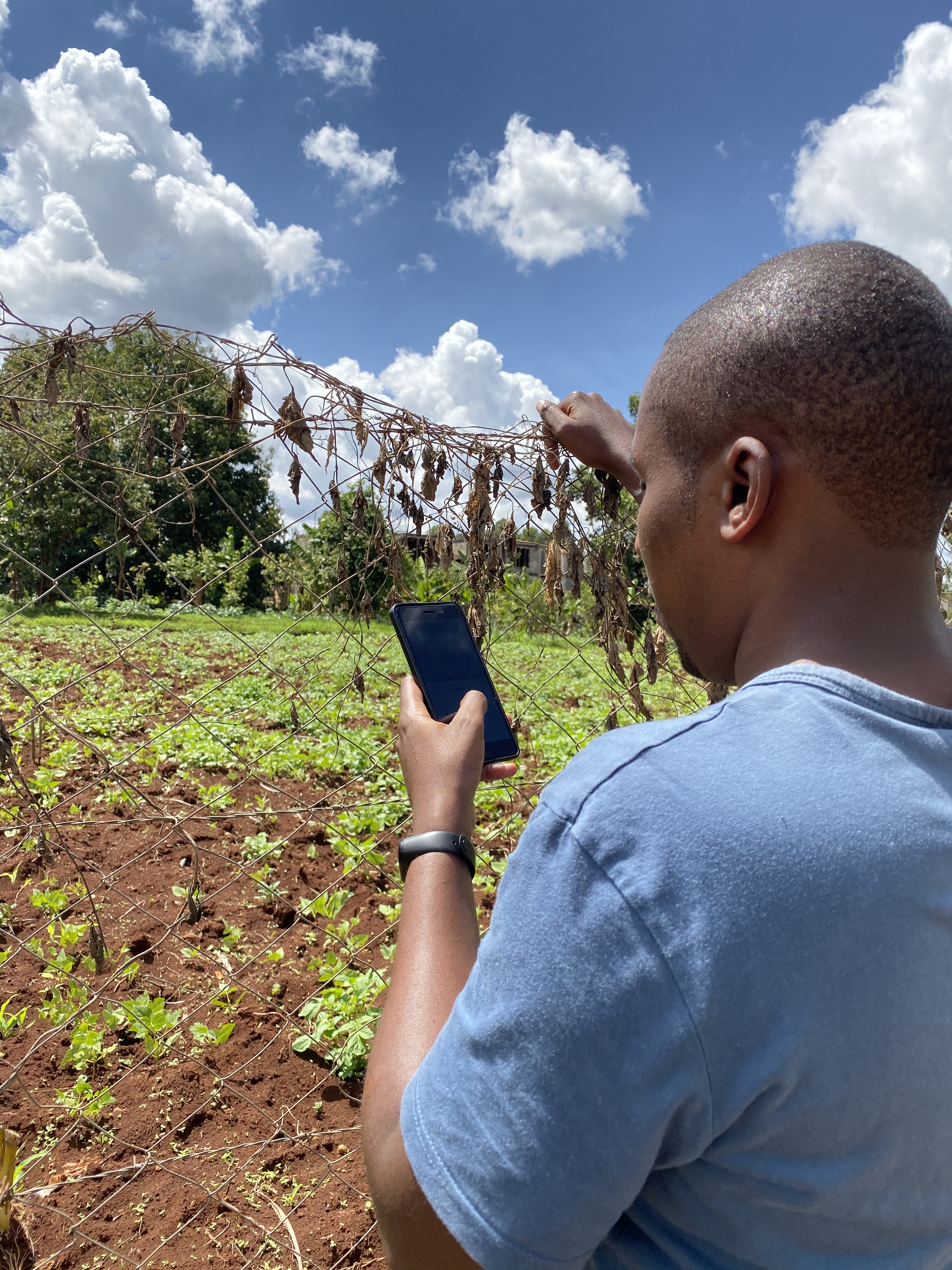
Mobile phones provide a practical entry point for digital agriculture because they are familiar to many farmers and can deliver information without sophisticated machinery or complicated installation requirements. This supports practical farm planning.
🌿 Go Organic on Your Farm: Instead of harmful chemical pesticides and fertilisers, try our organic farming products — including neem oil spray, bio-pesticides, natural plant treatments, organic seeds and seedlings, suckers, and many more organic products that are safe for your health, your family, your soil and your harvest. Shop Now →
Through mobile services, farmers can receive weather updates, production advice, market information, reminders, and transaction notifications that support decisions closer to the time those decisions matter. This also helps farmers plan confidently.
The strongest value often comes from reducing information gaps, because farmers can compare conditions, prices, and recommendations instead of relying entirely on memory or informal rumours. This also helps farmers plan confidently.
Mobile connectivity can also strengthen communication between farmers, extension workers, buyers, lenders, transport providers, and other participants whose coordination influences agricultural efficiency and profitability. This also helps farmers plan confidently.
The usefulness of these services depends on network availability, handset capability, language accessibility, affordability, and the quality of information delivered through the chosen platform. This also helps farmers plan confidently.
🔧 Free Farm Tool Available: Use our free Agric4Profits Farm Tools to calculate your farm profits, formulate feeds, identify pests and diseases on both your crops and animal farms, plan your planting and harvesting season, including many more farm tasks to get free expert advice and recommendations — completely free, no registration required. Access Free Tools →
Farmers should judge mobile tools by the problems they solve rather than by how sophisticated an application appears, prioritizing reliable services that improve real farm decisions. This also helps farmers plan confidently.
A simple phone service providing timely alerts may deliver greater value than an advanced application requiring expensive data, powerful hardware, or constant connectivity unavailable on the farm. This also helps farmers plan confidently.
This mobile-first foundation connects naturally with precision farming decisions, because digital information can become the starting point for advanced technology adoption. This also helps farmers plan confidently. This also helps farmers plan confidently.
Read Also: Innovative Technologies in Agriculture
Starting with smart farming technology does not require a complete digital transformation, because farmers can begin with one practical service addressing an immediate production, marketing, or financial problem. This supports practical farm planning.
💬 Have a Farming Question? Join thousands of farmers across Africa on the Agric4Profits Community — ask questions, share experiences and connect with agricultural experts. It is completely free. Ask Your Question Now →
Weather information is a sensible first step because better awareness of rainfall patterns and extreme conditions can improve planning without sensors, automated machinery, or complicated technical skills. This also helps farmers plan confidently.
Market information can be equally useful when farmers need to compare prices, identify buyers, or decide whether harvesting immediately makes economic sense for their enterprise. This also helps farmers plan confidently.
Farmers should consider digital payment services because mobile transactions can reduce dependence on cash handling and create convenient ways to manage purchases, payments, and selected financial activities. This also helps farmers plan confidently.
Before choosing an application, check whether it works reliably within your network area, supports languages you understand, and provides information matching the crops or livestock you manage. This also helps farmers plan confidently.
Adoption should be gradual, allowing you to learn one tool properly, assess its results, and decide whether another digital service adds genuine value before increasing technology costs. This also helps farmers plan confidently.
Keep simple notes about recommendations received, actions taken, results observed, and costs incurred, because these records help distinguish useful technology from attractive but unproductive digital products. This also helps farmers plan confidently.
A practical starting point is to combine technology with sound management principles, using the farm business planning process to connect digital decisions with profitability. This also helps farmers plan confidently.
The Economics of Smart Farming Technology Adoption

The financial appeal of smart farming technology is strongest when adoption focuses on clear economic problems rather than technology ownership, because useful information can improve decisions without major equipment expenditure.
Mobile advisory services, digital records, market information, and payment platforms can often be introduced at lower cost than advanced machinery, making gradual adoption realistic for resource-constrained farmers. This also helps farmers plan confidently.
📖 Want to Go Deeper on This Topic?
Our expert agricultural ebooks cover poultry, fish farming, different crops production, snail farming, organic farming, mushrooms, sheep, cattle, flowers, pig farming, goat farming, agribusiness, etc. in practical step-by-step detail — written by agricultural professionals for African farmers.
Even inexpensive tools can create recurring expenses through data charges, subscriptions, electricity, maintenance, replacement parts, and training, which should be considered before calculating expected financial benefits. This also helps farmers plan confidently.
A technology investment becomes easier to justify when the farmer can identify a measurable outcome, such as lower input waste, better timing, improved sales, reduced losses, or more efficient water use.
Farmers should compare technology costs with the value of the specific problem being solved, remembering that low-cost services can still become expensive when they rarely change decisions. This also helps farmers plan confidently.
The economics also depend on farm scale, enterprise type, location, connectivity, labour availability, and existing equipment, meaning a technology that works well for one farmer may not suit another. This supports practical farm planning.
Digital tools become more valuable when they integrate with existing farm practices rather than forcing expensive replacement of systems that already work effectively under local conditions. This also helps farmers plan confidently.
Farmers evaluating technology can combine digital planning with the free agricultural tools available from Agric4profits to estimate costs, compare outcomes, and strengthen investment decisions. This also helps farmers plan confidently.
Record Keeping for Smart Farming Technology Use
Digital farming decisions become more useful when farmers keep records showing which technology was used, what recommendation was received, what action followed, and what result occurred. This also helps farmers plan confidently.
Without records, technology decisions can become based on memory and personal impressions, making it difficult to determine whether an application genuinely improved productivity or simply consumed attention. This also helps farmers plan confidently.
Records should include subscription fees, data costs, equipment purchases, maintenance expenses, and relevant changes in yields, input use, labour requirements, market prices, or losses after technology adoption. This also helps farmers plan confidently.
Farmers should also record situations where digital recommendations were inaccurate, unsuitable, or difficult to apply, because these experiences help establish appropriate confidence levels for each tool. This also helps farmers plan confidently.
Comparing technology-supported seasons with previous production records can reveal whether improvements are consistent or whether changes were caused by rainfall, market conditions, or management differences. This also helps farmers plan confidently.
Good records make conversations with extension officers, lenders, partners, buyers, or technology providers more productive because farmers can present evidence rather than relying entirely on broad descriptions. This also helps farmers plan confidently.
Simple paper records remain useful where digital systems are unreliable, while spreadsheets or dedicated applications can provide deeper analysis when farmers have suitable devices and skills. This also helps farmers plan confidently.
For stronger record discipline, farmers can consult practical farm record-keeping principles and adapt the system to their enterprise. This also helps farmers plan confidently. This also helps farmers plan confidently.
Mobile Money: The Overlooked Foundation Enabling Everything Else
 Agric4profits.com
Mobile money has become important to agricultural digitalization because farming depends on frequent transactions involving inputs, transport, labour, buyers, savings, credit, and other financial relationships. This also helps farmers plan confidently.
Digital payments can reduce difficulties associated with carrying cash, especially when farmers and suppliers operate across dispersed rural locations with limited access to conventional banking facilities. This also helps farmers plan confidently.
The technology can also make financial interactions easier to document, helping farmers maintain clearer histories of payments, purchases, receipts, and selected transactions relevant to business management. This also helps farmers plan confidently.
However, mobile money does not remove financial risk, and farmers should verify transaction details, protect account credentials, confirm recipient information, and understand applicable fees before transferring funds. This also helps farmers plan confidently.
Financial services become more useful when combined with farm planning because convenient payments should support productive decisions rather than encourage unnecessary spending or poorly planned borrowing. This also helps farmers plan confidently.
Mobile finance may support market participation by making buyer and seller settlement easier, although farmers should remain cautious about fraud, unfamiliar requests, and incorrect recipient details. This also helps farmers plan confidently.
Where digital financial services are widely available, they can bridge traditional farm practices and broader digital agricultural systems that increasingly depend on electronic transactions. This also helps farmers plan confidently.
Farmers exploring this area can connect financial technology with broader business-oriented farm management practices so digital payments serve measurable enterprise goals. This also helps farmers plan confidently. This also helps farmers plan confidently.
AI-Powered Agricultural Advisory Services
 Agric4profits.com
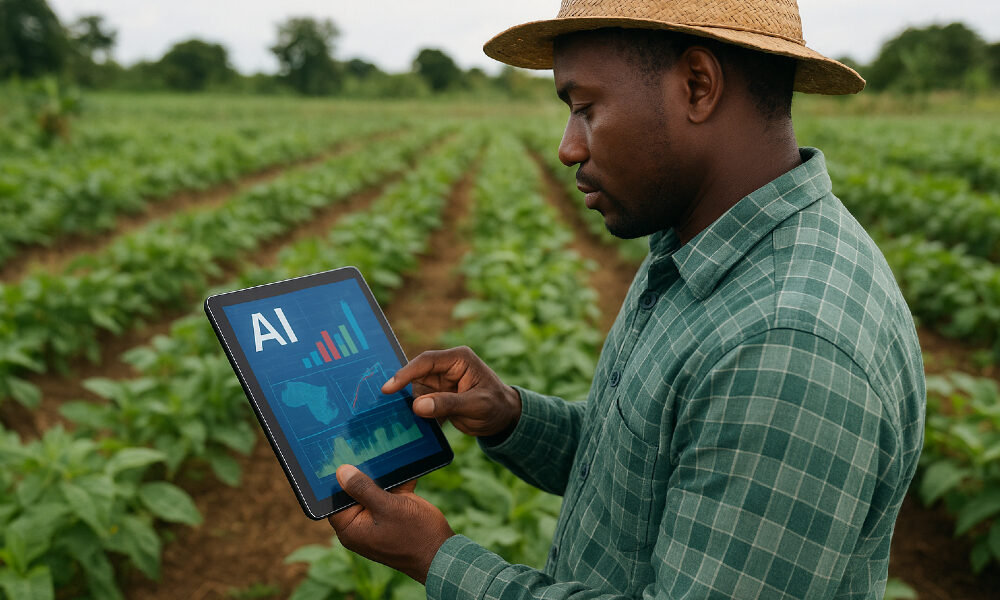
Artificial intelligence is becoming more visible in agricultural advisory services, particularly through conversational tools that let farmers ask questions and receive responses using familiar digital communication channels. This also helps farmers plan confidently.
AI systems can organize large amounts of agricultural information and present recommendations in conversational formats that may be easier to use than lengthy manuals or technical reports. This also helps farmers plan confidently.
The potential advantage is personalization, because a digital system can consider information about crops, locations, symptoms, weather conditions, production stages, or other details supplied by farmers. This also helps farmers plan confidently.
However, AI advice should never be treated as automatically correct, especially where recommendations concern pesticides, animal treatment, disease diagnosis, financial risk, or other consequential decisions. This also helps farmers plan confidently.
Farmers should compare AI-generated recommendations with trusted extension guidance, local knowledge, product labels, farm observations, and other credible evidence before taking important action. This also helps farmers plan confidently. This supports practical farm planning.
Language and literacy also matter because an AI service is more useful when farmers can communicate naturally, understand responses clearly, and ask follow-up questions when answers remain incomplete. This supports practical farm planning.
Trust can grow through careful experimentation, beginning with lower-risk decisions and documenting whether recommendations perform well under the farmer’s particular production conditions. This also helps farmers plan confidently. This supports practical farm planning.
AI adoption should therefore be approached as decision support rather than decision replacement, complementing agricultural expertise while preserving farmer responsibility for final choices and verification. This also helps farmers plan confidently.
IoT Sensors and Automated Systems
 Agric4profits.com
Internet of Things technology extends smart farming beyond mobile advice by connecting physical devices that measure conditions such as soil moisture, temperature, humidity, equipment status, or field variables. This supports practical farm planning.
These sensors can provide frequent observations that may reveal changes otherwise unnoticed until visible crop stress becomes severe or difficult to reverse. This also helps farmers plan confidently. This supports practical farm planning.
When sensor data connects with automated systems, farmers may adjust irrigation or other operations according to measured conditions rather than applying the same treatment throughout an entire farm. This supports practical farm planning.
Advanced systems can be useful where water, labour, or inputs are expensive and small management improvements can create meaningful savings across a production cycle. This also helps farmers plan confidently.
Yet sensors require careful installation, calibration, maintenance, power, connectivity, and interpretation, meaning technology can fail to deliver value when surrounding support systems are weak. This also helps farmers plan confidently.
Farmers should evaluate the full system rather than purchasing devices individually, considering installation requirements, replacement costs, data access, technical support, and compatibility with existing equipment. This also helps farmers plan confidently.
The best use of sensors is often targeted rather than universal, focusing on fields, crops, or processes where better information can realistically improve measurable decisions. This also helps farmers plan confidently.
Farmers interested in advanced monitoring can first study variable-rate technology and sensor-based management before investing in larger digital systems. This also helps farmers plan confidently. This also helps farmers plan confidently.
The Scale of What is at Stake
Agricultural technology matters because food production must improve in difficult environments while farmers face weather uncertainty, resource constraints, market volatility, labour pressures, and post-harvest challenges. This also helps farmers plan confidently.
Digital tools can contribute to better decisions across production, marketing, logistics, finance, and resource management, creating benefits that extend beyond a single field operation. This also helps farmers plan confidently.
When farmers receive timely information, they may respond more effectively to changing weather, prices, production risks, or emerging opportunities that would otherwise remain difficult to identify. This also helps farmers plan confidently.
Technology can also improve input efficiency when information is accurate enough to support more targeted application, better timing, and closer monitoring of farm conditions. This also helps farmers plan confidently.
Benefits become more significant when digital systems connect value-chain stages, allowing information to move between farmers, suppliers, buyers, processors, transporters, and financial service providers. This also helps farmers plan confidently.
However, technology does not automatically solve structural agricultural problems, because weak markets, poor roads, limited storage, insecure land access, and weak infrastructure can still restrict performance. This also helps farmers plan confidently.
The most realistic contribution of smart farming is to strengthen decisions within existing systems while broader investments address physical and institutional barriers surrounding agriculture. This also helps farmers plan confidently.
Environmental benefits can emerge when technology helps farmers reduce unnecessary resource use, complementing approaches discussed in the regenerative agriculture framework. This also helps farmers plan confidently. This also helps farmers plan confidently.
Real, Documented Adoption Barriers

Smart farming adoption across Africa faces practical barriers that are often more complicated than simply asking whether farmers like technology or understand its potential benefits. This also helps farmers plan confidently.
Internet coverage can be inconsistent, especially in rural areas, while electricity access may limit charging, device use, or continuous operation of connected agricultural equipment. This also helps farmers plan confidently.
Technology costs also extend beyond purchase prices because farmers may need data subscriptions, replacements, repairs, training, technical support, and reliable service providers to keep systems operating. This also helps farmers plan confidently.
Digital literacy remains important because capable devices have limited value when users struggle to navigate interfaces, interpret information, or troubleshoot common problems. This also helps farmers plan confidently. This supports practical farm planning.
Language can create another barrier when applications provide content in limited languages or use technical terms that do not match everyday vocabulary of intended users. This also helps farmers plan confidently.
Poorly designed systems can reduce adoption when they demand too much data, work only with expensive smartphones, or assume connectivity that rural farmers cannot reliably maintain. This also helps farmers plan confidently.
These barriers show why adoption should be evaluated as an ecosystem involving infrastructure, affordability, skills, trust, maintenance, and local relevance rather than a simple hardware purchase. This also helps farmers plan confidently.
Better adaptation may require stronger local data, which is why geographic information systems in agriculture can become valuable when local datasets are sufficiently reliable. This also helps farmers plan confidently.
The Psychological and Cultural Dimension of Adoption
Farmer attitudes can strongly influence technology adoption because farming decisions are connected to experience, tradition, social relationships, perceived risk, and confidence in established methods. This also helps farmers plan confidently.
Some farmers may question automated recommendations because they have learned to interpret local soil, weather, crops, livestock, and seasonal patterns through repeated observation over many years. This also helps farmers plan confidently.
This skepticism should not automatically be described as ignorance, because digital tools can make mistakes and recommendations developed elsewhere may not always fit local conditions. This also helps farmers plan confidently.
Trust is more likely to grow when providers demonstrate results locally, communicate limitations honestly, and allow farmers to test tools without forcing expensive commitments immediately. This also helps farmers plan confidently.
Peer learning can also support adoption because farmers may become more willing to experiment after seeing trusted neighbours use technology successfully under comparable production conditions. This also helps farmers plan confidently.
Training should emphasize practical tasks rather than abstract theory, showing farmers how a tool affects irrigation timing, pest identification, market selection, or another real decision. This also helps farmers plan confidently.
Extension officers and farmer groups can help users interpret digital information and combine it with field observation, local experience, and established agronomic practices. This also helps farmers plan confidently. This supports practical farm planning.
Farmers can strengthen this learning process by combining digital experimentation with best agricultural management practices that remain useful regardless of technology level. This also helps farmers plan confidently. This supports practical farm planning.
A Two-Track Global Pattern Worth Understanding
 Agric4profits.com
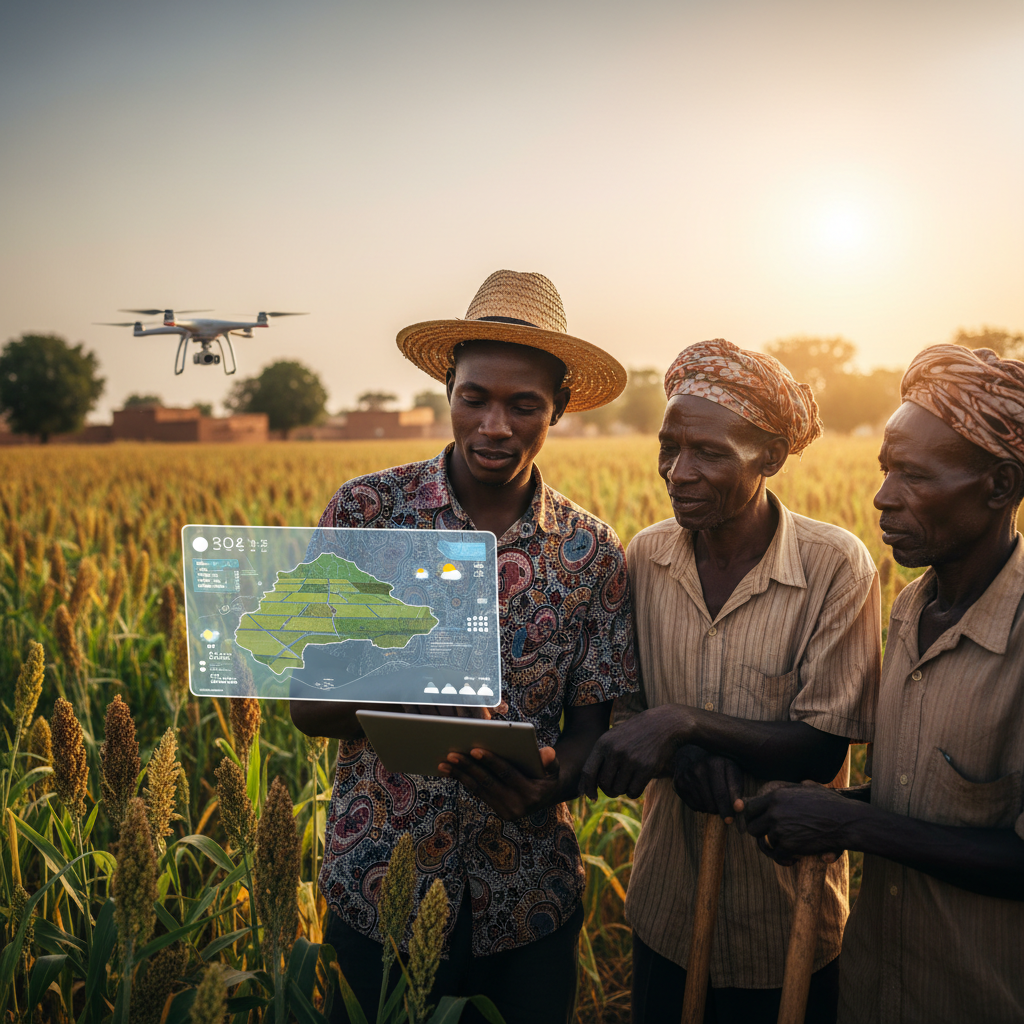
Smart farming does not look identical everywhere because technology adoption reflects differences in infrastructure, capital, farm size, skills, production systems, and the problems farmers most urgently need to solve. This supports practical farm planning.
In wealthier agricultural systems, adoption can include highly automated machinery, extensive sensing networks, advanced analytics, robotics, and equipment designed for large-scale operational efficiency. This also helps farmers plan confidently. This supports practical farm planning.
In many African settings, mobile advisory services, digital payments, market information, and simpler connected tools can provide stronger value because they address information gaps with lower initial investment. This supports practical farm planning.
This difference should not automatically be interpreted as technological backwardness, because resource-appropriate innovation can be more practical than copying expensive systems from another environment. This also helps farmers plan confidently.
Farmers should prioritize technology according to local returns, infrastructure realities, enterprise scale, and actual management needs rather than according to international perceptions of sophistication. This also helps farmers plan confidently.
Advanced equipment can become appropriate later when production scale increases, markets improve, financing becomes available, and the supporting technical ecosystem becomes strong enough for reliable operation. This also helps farmers plan confidently.
The most effective digital strategy is often staged, beginning with accessible tools and adding advanced systems only after earlier investments have produced clear benefits. This also helps farmers plan confidently.
This progression aligns with broader digital agriculture innovation, including innovative technologies in agriculture that can be adopted according to farm capacity and objectives. This also helps farmers plan confidently. This supports practical farm planning.
Addressing Post-Harvest Losses Through Smart Logistics
Smart farming technology should not stop at field production because the value of a harvest depends heavily on what happens after crops or livestock products leave the production area. This supports practical farm planning.
Digital logistics can help farmers coordinate collection, transportation, storage, processing, and sales more effectively, potentially reducing delays that cause quality deterioration and financial losses. This also helps farmers plan confidently.
Market information can help farmers understand buyer demand and price differences, while communication tools can make it easier to arrange transactions before produce travels long distances. This also helps farmers plan confidently.
Digital records can improve traceability by documenting quantities, dates, buyers, and product movement, creating clearer information for producers and downstream business partners. This also helps farmers plan confidently. This supports practical farm planning.
For perishable crops, better coordination can be especially important because delays quickly translate into lower quality, weaker bargaining power, and reduced selling prices. This also helps farmers plan confidently. This supports practical farm planning.
Technology can support relationships with aggregators and processors when information is shared consistently, although infrastructure and transport capacity still determine whether improved coordination delivers practical results. This also helps farmers plan confidently.
Farmers should view smart farming as part of a value-chain system rather than an isolated field device, connecting production information with marketing and logistics decisions. This also helps farmers plan confidently.
Understanding these linkages becomes easier when studying agricultural marketing principles alongside digital production and logistics tools. This also helps farmers plan confidently. This also helps farmers plan confidently. This supports practical farm planning.
What Policy and Investment Priorities Could Accelerate Adoption

Large-scale smart farming adoption depends partly on policy because individual farmers cannot build telecommunications infrastructure, electricity systems, rural data services, or affordable technology ecosystems alone. This also helps farmers plan confidently.
Better rural connectivity can reduce the practical difficulty of accessing advisory services, market platforms, digital payments, and cloud applications from farms located far from urban centres. This also helps farmers plan confidently.
Affordable devices and data services can increase participation, particularly where farmers need smartphones or connected equipment but cannot justify large upfront technology expenses. This also helps farmers plan confidently. This supports practical farm planning.
Training investments matter because infrastructure without user capability may produce limited returns, while farmers with stronger digital skills can make better use of available applications. This also helps farmers plan confidently.
Local research and testing can improve technology relevance by identifying which tools work under specific crops, languages, weather patterns, farm sizes, and business conditions. This also helps farmers plan confidently.
Public institutions can encourage responsible adoption through interoperability, data protection, transparent service standards, and partnerships that prevent dependence on poorly supported platforms. This also helps farmers plan confidently. This supports practical farm planning.
Private companies, cooperatives, extension systems, financial institutions, and farmer organizations can contribute by building practical pathways from technology access toward useful agricultural outcomes. This also helps farmers plan confidently. This supports practical farm planning.
Policy support should ultimately focus on farmer value rather than technology counts, measuring whether digital investment improves productivity, resilience, profitability, market access, or resource efficiency. This also helps farmers plan confidently.
Common Mistakes to Avoid
Smart farming technology can disappoint when farmers adopt tools because they look advanced rather than because they solve a clearly identified production, marketing, financial, or management problem. This also helps farmers plan confidently.
The safest approach is to define the problem first, identify the information or action required, and then choose the simplest reliable technology capable of meeting that need. This also helps farmers plan confidently.
Farmers should avoid assuming every recommendation generated by an application is correct, especially when information conflicts with trusted local observations or established professional guidance. This also helps farmers plan confidently.
Another common mistake is ignoring recurring expenses, because an affordable application can become costly when subscriptions, data usage, maintenance, training, and equipment replacement accumulate over time. This also helps farmers plan confidently.
Technology can also fail when farmers overlook record keeping, because without evidence it becomes difficult to determine whether a digital service improves performance or merely adds another task. This supports practical farm planning.
Farmers should resist pressure to purchase complete technology packages before testing whether a smaller system can solve the priority problem at lower risk and cost. This also helps farmers plan confidently.
Digital tools should complement practical agronomy, financial discipline, and market planning rather than replace them, because strong technology cannot compensate for weak farm management foundations. This also helps farmers plan confidently.
A useful foundation is the farm management approach, which keeps technology connected to wider operational decisions. This also helps farmers plan confidently. This also helps farmers plan confidently. This supports practical farm planning.
1. Adopting technology without a defined problem: Choose a digital tool only after identifying the farm decision, cost, or risk it should improve.
2. Trusting AI recommendations without verification: Compare important advice with local conditions, trusted professionals, product guidance, and your own observations before acting.
3. Ignoring recurring technology expenses: Include data, subscriptions, repairs, electricity, replacement devices, training, and maintenance when calculating total adoption costs.
4. Buying complex systems too early: Test simpler tools first and expand only when measurable benefits justify additional investment and operating complexity.
5. Failing to keep technology performance records: Document recommendations, actions, costs, and results so you can judge whether a digital service improves performance.
6. Treating technology as a replacement for agronomy: Continue using sound crop, livestock, soil, water, and financial management practices alongside digital systems.
7. Ignoring connectivity and language limitations: Choose tools matching your actual network quality, device capability, literacy level, and preferred communication language.
Summary on Complete Smart Farming Technology Guide for Digital Agriculture

| Mobile technology | Delivers digital information and services | Prioritize reliable, affordable tools |
| Mobile money | Supports payments and financial access | Verify transactions and protect credentials |
| Artificial intelligence | Provides conversational decision support | Verify important recommendations |
| IoT sensors | Measures field and equipment conditions | Plan for power, maintenance, and connectivity |
| Digital marketing | Improves market information and coordination | Compare buyers, prices, and logistics |
| Farm records | Measures technology performance | Track costs, actions, and outcomes |
| Policy and infrastructure | Enable wider adoption | Connectivity, electricity, skills, and affordability matter |
| Adoption strategy | Matches tools to farm needs | Start small and expand after evidence |
Frequently Asked Questions About Smart Farming Technology in Africa
1. What is smart farming technology in Africa?
It is the use of digital tools such as mobile services, artificial intelligence, sensors, data platforms, and digital payments to improve agricultural decisions and farm management. This also helps farmers plan confidently.
2. Which smart farming technology is easiest for smallholder farmers to adopt?
Mobile phone services are often the easiest starting point because farmers can use advisory, market, weather, and financial services without immediately purchasing expensive machinery. This also helps farmers plan confidently.
3. Can farmers use smart farming technology without owning a smartphone?
Some services can work through basic mobile phones, voice systems, text messages, or USSD, although available features depend on the specific platform and network. This also helps farmers plan confidently.
4. How can artificial intelligence help farmers?
AI can organize information and provide conversational decision support for crop production, symptoms, weather planning, and other questions, but important recommendations require verification. This also helps farmers plan confidently. This supports practical farm planning.
5. Are IoT sensors suitable for small farms?
They can be suitable when a clear problem justifies them, but farmers should evaluate purchase costs, maintenance, power, connectivity, technical support, and information value. This also helps farmers plan confidently.
6. Why do some farmers resist digital agriculture tools?
Reasons include limited digital literacy, concerns about technology dependency, unfamiliar interfaces, cost, weak connectivity, and uncertainty about whether recommendations fit local conditions. This also helps farmers plan confidently. This supports practical farm planning.
7. How should a farmer calculate technology investment value?
Compare total adoption costs with measurable benefits such as reduced input use, improved yields, better prices, lower losses, labour savings, or stronger financial control. This also helps farmers plan confidently.
8. What is the biggest barrier to smart farming adoption in Africa?
There is no single barrier; connectivity, electricity, affordability, skills, language, maintenance, data quality, and local relevance can combine to limit adoption. This also helps farmers plan confidently. This also helps farmers plan confidently.
9. Should smart farming replace traditional farming knowledge?
No. Digital tools are most useful when they complement farmer experience, extension advice, practical agronomy, and sound business management rather than replacing them. This also helps farmers plan confidently. This supports practical farm planning.
10. How should a farmer start adopting smart farming technology?
Start with one affordable tool that solves a clearly defined problem, keep performance records, verify important recommendations, and add more technology only after measurable value appears. This also helps farmers plan confidently.
Do you have any questions, suggestions, or contributions? If so, please feel free to use the comment box below to share your thoughts. We also encourage you to kindly share this information with others who might benefit from it. Since we can’t reach everyone at once, we truly appreciate your help in spreading the word. Thank you very much for your support and for sharing!
Read Also: Interesting Facts About Giraffe


.png)
