
 3 months ago
48

.jpeg)
.png)
Press play to listen to this article
Voice
If you grow Goat in Libya and you want to know exactly what you are making from your farm, you are in the right place. The free Agric4Profits Feed Formulation Calculator is right here on this page. No registration. No download. Just your real numbers.
Every time you buy a bag of commercial feed for your Goat in Libya, do you know exactly what you are paying for and whether you could produce the same quality for less using ingredients already available to you? Or do you buy the same feed as always because it feels easier than working out the numbers yourself?
Most smallholder Goat farmers in rural Libya, those farming on a few plots or a hectare or two without access to formal farm management support, hardly take the time to calculate what their feed is actually costing them per kilogram. Not because they do not care. But because formulating feed has always seemed complicated and reserved for nutritionists with expensive software.
That is exactly what this free Feed Formulation Calculator is for. It does not matter how you farm, what methods you use, or how big your land is. This tool was built for Goat farmers in Libya who want real answers based on their own real situation. And it will show you savings on your feed costs that could change the entire profitability of your Goat operation.
Goat Farming in Libya
Goat farming is not just a livelihood for many families in Libya; it represents hope, sustenance, and tradition. For households relying on goats, each animal signifies an investment in their children's education and future. The warmth of knowing that a single goat can provide milk, meat, and even income strengthens their communities. Whether it's a widow nurturing her small plot or a father teaching his children the value of hard work, goats form an integral part of their social fabric.
In every gathering, dishes such as safra (goat stew) and bassi (roasted goat) warm hearts around shared meals. Local beverages made from goat milk carry not just nutrition but also a taste of home and belonging. These recipes connect generations, illustrating how goats are woven into the culinary tapestry of Libya. Goats bring families together, providing a sense of pride in their heritage.
🌿 Go Organic on Your Farm: Instead of harmful chemical pesticides and fertilisers, try our organic farming products — including neem oil spray, bio-pesticides, natural plant treatments, organic seeds and seedlings, suckers, and many more organic products that are safe for your health, your family, your soil and your harvest. Shop Now →
Beyond household meals, the goat farming value chain expands into various sectors. Goat meat contributes to processed products like sausages and cured meats that hold significant market potential. Additionally, goat by-products can be transformed into animal feed, oils, and even textile fibers, creating more opportunities for farmers willing to explore these avenues. The ability to tap into these diverse markets adds layers to the economic potential of goats.
The nutritional value of goat meat and milk is immense, boasting protein, essential vitamins, and minerals vital for food security in Libya. Families are fortified through these resources, especially in a climate where food diversity is crucial for health. Goats thrive in various conditions, offering a sustainable source of nutrition that bolsters community resilience. Knowing that these animals enhance their diet empowers farmers to raise them with pride.
In economic terms, goats play an indispensable role in Libya’s agrarian landscape. A well-managed smallholder goat farm can yield significantly, providing not only sustenance but also a source of income that keeps families afloat. Many smallholder farmers find that focusing on their herd can lead to growth beyond expectations, reflecting how goats truly are an anchor for livelihoods. The returns on investment from goat farming create opportunities for better futures.
The climate of Libya, characterized by its specific rainfall patterns and seasonal variations, harmonizes with goat farming practices. The adaptation strategies goats exhibit allow farmers to manage their flocks effectively across changing rainfall conditions. This symbiotic relationship between livestock and climate enables farmers to maximize their yields. Understanding the natural environment is key to navigating the challenges and opportunities within goat farming.
🔧 Free Farm Tool Available: Use our free Agric4Profits Farm Tools to calculate your farm profits, formulate feeds, identify pests and diseases on both your crops and animal farms, plan your planting and harvesting season, including many more farm tasks to get free expert advice and recommendations — completely free, no registration required. Access Free Tools →
Pricing trends through the year reveal that goat prices fluctuate based on supply and demand dynamics. Often, prices increase during festive seasons or at local markets, presenting ideal times for sales. Equipping oneself with knowledge about market trends can guide farmers on when to position their sales. Awareness of price movements forms an essential part of profitable goat farming.
Identifying the right buyers is crucial for goat farmers in Libya. Local markets, butchers, and restaurants seek high-quality goats, providing an excellent opportunity for farmers to ensure their products reach consumers. Establishing strong relationships within the community helps farmers better position themselves within this market chain. Building a brand around their goats can lead to repeated business and loyal customers.
Among the costly mistakes goat farmers frequently encounter is insufficient attention to herd health. Neglecting vaccinations and not monitoring the health of goats can result in disease outbreaks, leading to substantial losses. Taking proactive measures to manage herd health pays dividends, ensuring a thriving flock for seasons to come. Focusing on preventative practices can safeguard a farmer’s investments.
The challenges goat farmers face in Libya are diverse and can often seem overwhelming. From fluctuating prices to disease management, navigating these realities takes resilience and strength. It’s essential to approach these hurdles as learning experiences, leveraging community support to overcome difficulties. Recognizing that challenges are part of the journey fosters a spirit of perseverance among farmers.
Support from local agricultural organizations and cooperatives can significantly enhance goat farming practices. Farmers are encouraged to seek guidance from extension offices, where experts can provide invaluable resources and training. Collaborating with fellow farmers also cultivates a sense of community and collective growth. Embracing these relationships builds a stronger future for goat farming in Libya.
💬 Have a Farming Question? Join thousands of farmers across Africa on the Agric4Profits Community — ask questions, share experiences and connect with agricultural experts. It is completely free. Ask Your Question Now →
The Real Costs of Goat Farming in Libya
Every Goat farming season begins with costs before a single income arrives. This is the reality of farming and it is not something to be afraid of. But it is something every farmer needs to understand clearly so that when the harvest comes, you know exactly how much you need to cover before you start making profit.
Here is what a typical Goat farming season in Libya involves in terms of spending. Every cost depends on your own situation, your land and your methods.
| 1 | Breeding goats, whether bought from a reputable supplier or sourced locally | Investing in quality breeding goats establishes the foundation of your farm. Farmers who select healthy stock tend to see better growth in their herds. Those who neglect this aspect may face struggles with poor productivity. |
| 2 | Feed, whether sourced from local grains or purchased in bulk | Quality feed is essential for healthy goats and better yields. Farmers who tailor their feed mix often save costs, while those who rely solely on commercial feeds might find their expenses rising without accountability. |
| 3 | Water supply, whether from wells or collected rainwater | Adequate and clean water is crucial for thirsty animals. Some farmers have innovative methods for capturing rainwater, drastically cutting costs in dry periods. Those who overlook this can face water scarcity, negatively impacting their herd. |
| 4 | Medication, whether from local herbal remedies or veterinary sources | Keeping goats healthy demands attentive care. Some farmers wisely utilize home remedies passed down through generations, while others might incur costs from veterinarian visits. Neglecting health can lead to larger challenges and lower productivity. |
| 5 | Housing, whether built from locally sourced materials or purchased | Creating suitable shelter is vital for your goats' well-being. Some farmers are resourceful, crafting affordable housing, while others invest in more elaborate structures. Proper shelter can boost goat health and productivity. |
| 6 | Transport, whether arranged for market trips or local sales | Having reliable transport is essential to get goats to markets or buyers. While some farmers benefit from local transportation solutions, others might face higher costs when arranging logistics. Ensuring access is crucial for maximizing profit. |
| 7 | Labour, whether hired or family members helping out | Effective management often depends on the right amount of help. Farms with dedicated laborers can operate smoothly, yet those who do everything alone may struggle with daily tasks. Balancing labor inputs can enhance goat farming experiences. |
| 8 | Marketing efforts, whether informal networks or formal advertising | Marketing your goats effectively determines how well they move in the marketplace. Farmers who engage actively in their communities tend to sell better, while those who depend solely on traditional methods might miss out on potential buyers. A strong marketing strategy enhances sales. |
Every item in that table depends on your own specific situation. A farmer who saves Goat from their last harvest and uses compost they made themselves from farm waste spends very differently from a farmer who purchases every input. The Feed Formulation Calculator works equally well for both. You enter what you actually spent and you get your own real result based on your own real farm.
What the Feed Formulation Calculator Does for Your Goat Farm
The Agric4Profits Feed Formulation Calculator is a free tool built specifically for African farmers. You put in your numbers and it gives you your result immediately. No waiting. No interpretation needed. Just clear honest numbers that show you exactly where your Goat farm stands financially.
Here is what the tool shows you:
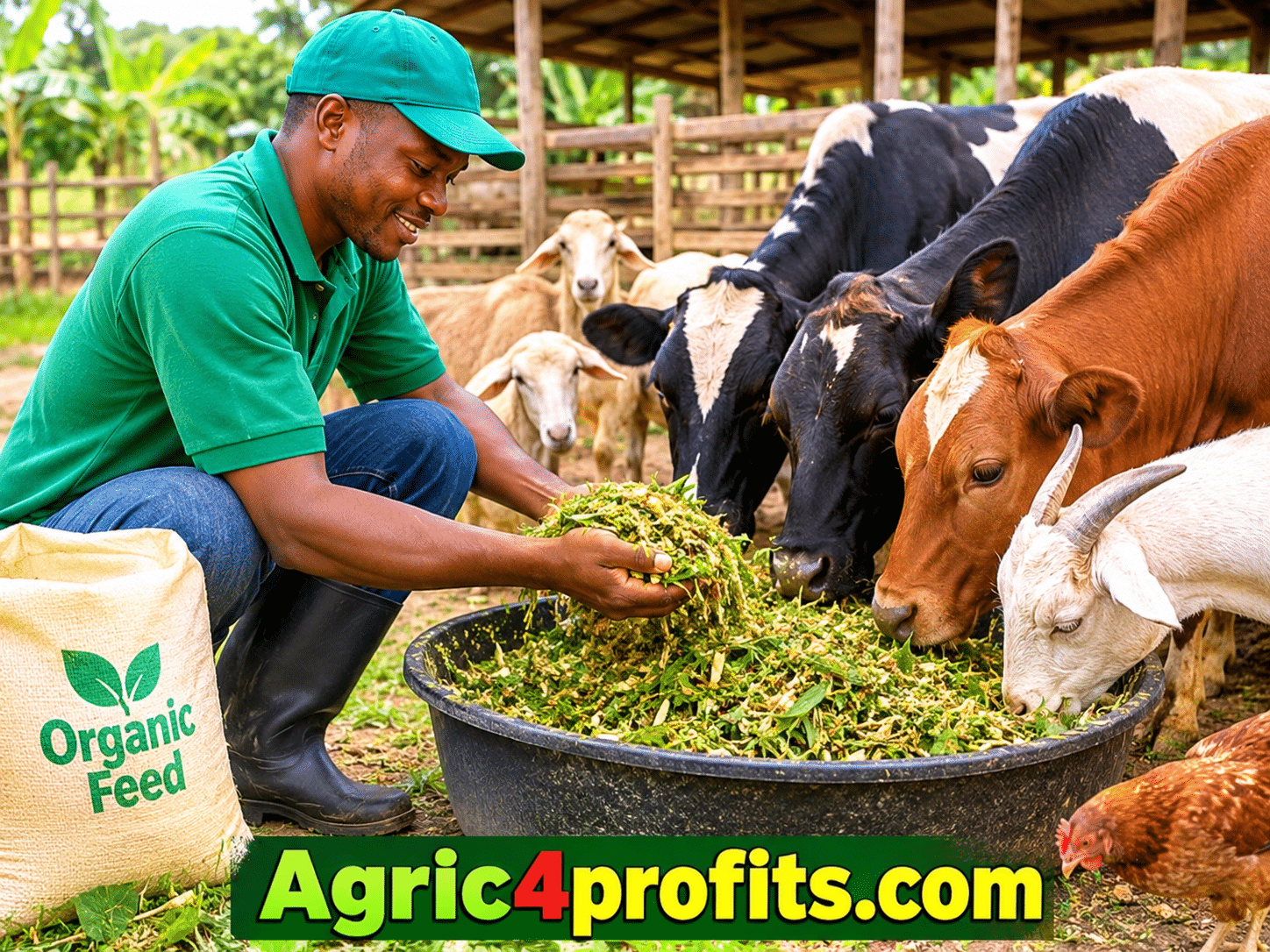
- The optimum nutritional balance for your goats can be calculated, enabling you to provide the right mix essential for maximum health and productivity.
- Each ingredient's cost effectiveness will be evaluated, helping you make informed decisions about which feeds provide the best value for your investment.
- Daily feeding requirements can be determined, ensuring that you are meeting the dietary needs of your goats consistently.
- The total cost of feeding can be projected, allowing you to budget effectively and avoid unexpected expenses.
- Comparison of multiple feed formulations will be available, offering insights into how minor changes can lead to cost savings or improved outcomes.
- The overall performance potential of your herd can be assessed, aiding in future planning and strategic decision-making.
- The impact of feed changes on growth rates and production levels can be analyzed, helping you adapt your practices for better results.
That break-even figure is the one that surprises most farmers the most. Many smallholder farmers sell their harvest without this number and as a result find themselves negotiating without a clear bottom line. Once you know your break-even point you know the minimum price you can accept and the minimum quantity you need to sell. That knowledge alone changes everything about how you approach the market.
How to Use the Feed Formulation Calculator for Your Goat Farm
You do not need to register. You do not need to download anything. It works right here on your phone or computer.
A. What You Enter
- Your animal type and production stage (starter, grower, finisher, or layer)
- Your available ingredients and their local prices
- The nutrient values for each ingredient
- Your target batch size in kilograms
B. What You Do
- Select your animal type and production stage
- Add your ingredients one by one with their prices
- Enter the nutrient values for each ingredient
- Click Formulate
C. What You Will See
- Your optimised ingredient mix in kilograms per 100kg batch
- The protein and energy levels your formula achieves
- Your cost per kilogram of formulated feed
- Your total cost per batch
- Your savings compared to buying commercial feed
Use the Feed Formulation Calculator Right Here (It Is Free)
The Agric4Profits Feed Formulation Calculator is below. Enter your real Goat farming figures and see your result right now on this page.
⚙ Agric4Profits Feed Formulation Calculator
What the Tool Will Show You
A well managed Goat farm keeps feed costs as low as possible without sacrificing the health and growth of the animals. Enter your available ingredients and local prices into the calculator above to get your optimised feed formula and see exactly what your feed is costing you per kilogram.
📖 Want to Go Deeper on This Topic?
Our expert agricultural ebooks cover poultry, fish farming, different crops production, snail farming, organic farming, mushrooms, sheep, cattle, flowers, pig farming, goat farming, agribusiness, etc. in practical step-by-step detail — written by agricultural professionals for African farmers.
Many goat farmers in Libya find that their initial awareness about feed management was higher than they assumed, fostering confidence in their practices. Conversely, some discover specific areas where improvements can yield considerable financial benefits, encouraging them to refine their approach to goat nutrition. Either way, knowing your real numbers puts you in a position of strength. You stop guessing and start deciding.
Practical Tips for Goat Farmers in Libya
1. Prioritize herd health with regular vet checks: Ensuring your goats receive consistent health evaluations can save you significant expenses in the long run. Farmers attentive to their flock’s health often notice fewer losses due to illness or disease. Meanwhile, those who neglect this may suffer from unexpected herd declines.
2. Implement rotational grazing for improved pasture quality: Switching up grazing areas helps to prevent overgrazing and keeps your goats healthier by diversifying their forage. Farmers who practice rotational grazing tend to find their goats more productive and their pastures recovering faster. Those who stick to one area may see a decline in land quality over time.
3. Maintain records for better management decisions: Keeping detailed records of your goat farming practices helps you identify patterns and areas for improvement. Farmers who utilize record-keeping are often able to optimize their practices for better yield. In contrast, those who rely solely on memory may miss crucial insights.
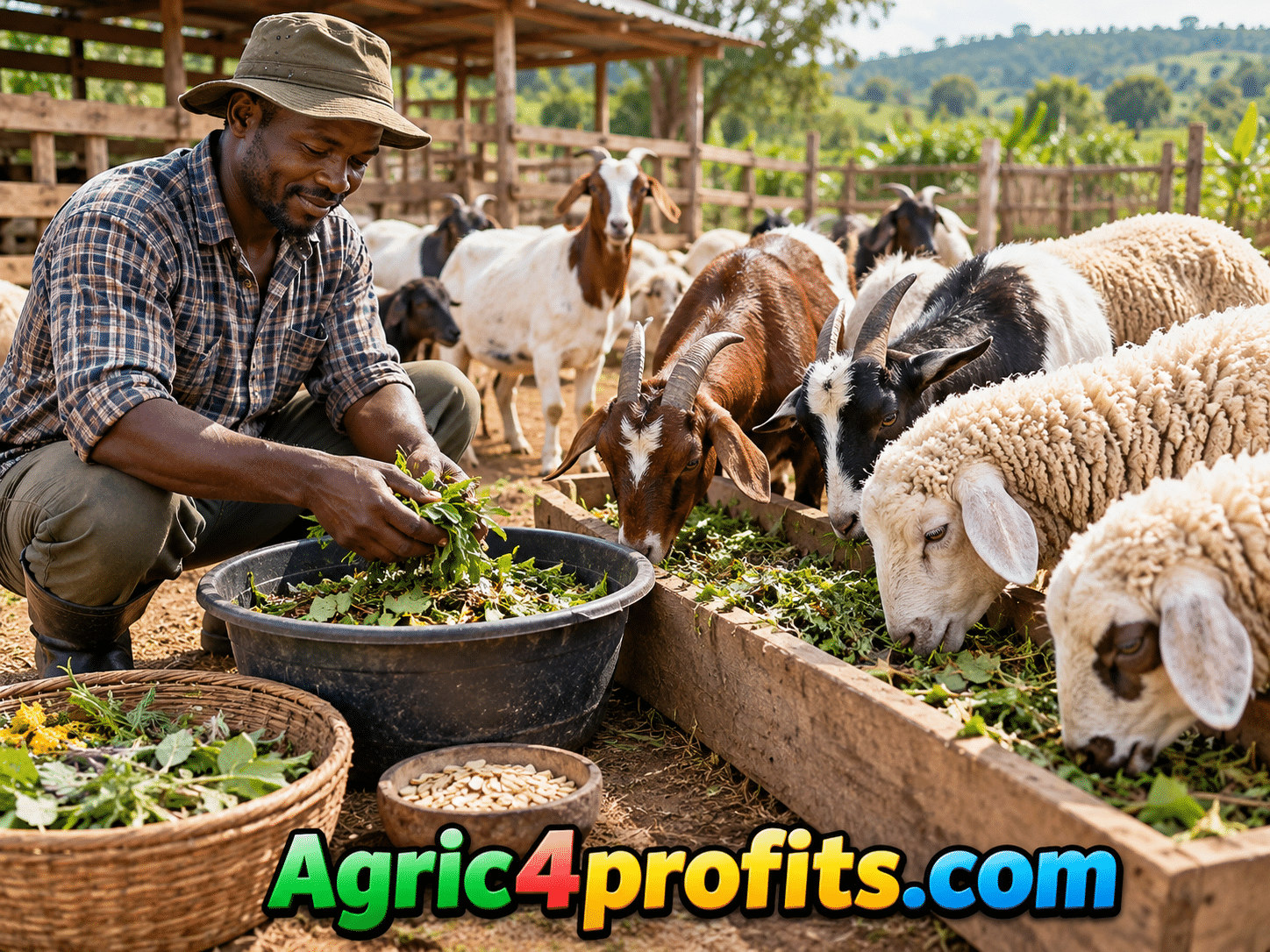
4. Experiment with local feed sources: Using locally available feed ingredients can not only cut costs but also enhance the nutritional value of your feed mix. Farmers who innovate with local resources often find excellent results, while those sticking with commercial options may face higher spending and lower adaptability.
5. Participate in local farming communities: Networking with other goat farmers can lead to shared tips, market insights, and support during challenging times. Farmers engaged in their communities often thrive together through collective wisdom. Those who isolate themselves may struggle without a support system.
6. Utilize the calculator to adjust your feed ratios: The Feed Formulation Calculator helps refine the feed ratios based on nutritional needs and costs, making for healthier goats. Farmers leveraging this tool see improved animal performance and satisfaction. On the other hand, those who disregard it might stick with outdated or inefficient feeding practices.
7. Explore alternative feed ingredients: Using alternatives can offer nutritional benefits and savings, helping maintain a balanced diet for your goats. Farmers who experiment with diverse feeds often see enhanced growth rates and reduced feed costs. Neglecting options may lead to dependence on more expensive commercial feeds.
8. Be proactive with disease prevention: Developing a routine for vaccinations and boosters is vital for keeping your goats healthy. Farmers who invest in prevention see fewer health crises, whereas those who react only when problems arise can face devastating losses.
9. Test your pasture soil: Understanding soil quality helps in managing pasture health and forage options effectively. Farmers who assess their soil types can adapt their practices to sustain high-quality grazing. Those who bypass this evaluation might not realize they are underusing their land.
10. Leverage seasonal market insights: Being aware of market fluctuations allows you to time your sales for maximum profit. Farmers who pay attention to these trends make strategic decisions about when to sell their goats. Conversely, those who are unaware may miss lucrative opportunities.
11. Adjust your practices based on calculator outputs: Using the insights from the Feed Formulation Calculator can lead to smarter adjustments in your feeding practices. Farmers who act on data often see enhanced performance in their goats. Ignoring these insights could mean missing out on potential gains.
12. Keep an eye on weight gain: Monitoring your goats' weight helps assess their health and the effectiveness of your feeding program. Farmers who track this closely can make adjustments when necessary for better outcomes. Those who overlook this may face challenges in herd productivity.
13. Engage children in farm responsibility: Encouraging the younger generation to participate in goat farming builds appreciation for agriculture and responsibility. Families who involve children often create a sense of teamwork on the farm. Neglecting this may lead to a disconnect between youth and farming traditions.
14. Embrace sustainable practices: Considering environmental impacts in your goat farming can enhance land health and productivity. Farmers adopting sustainability find they not only help the earth but also improve their yields. Those who do not might contribute to long-term soil degradation.
15. Educate yourself continuously: Staying updated on goat farming methodologies through courses and workshops keeps your practices relevant and efficient. Farmers who invest time in learning often reap the benefits of innovation. Meanwhile, those who remain static can fall behind as the industry evolves.
Frequently Asked Questions on Feed Formulation Calculator for Goat Farming in Libya
1. What are the benefits of goat farming in Libya?
Goat farming provides a diverse array of benefits, including a steady source of income for families, nutritional sources from meat and milk, and cultural significance through traditional foods. The adaptability of goats to local conditions makes them a favored choice for many smallholder farmers around the country.
2. How do I start a goat farming business?
Starting a goat farming business begins with understanding your resources and goals. Evaluate your land, consider initial investment costs, and research local market needs. Afterward, acquiring quality breeding stock and establishing a feeding and healthcare regimen are essential steps.
3. What common breeds of goats are raised in Libya?
Libya is home to several goat breeds, each with specific traits suited for climatic environments and farming practices. Commonly raised breeds include indigenous types that provide good meat and milk production, contributing to the overall economy. Familiarizing yourself with local breeds is key to successful goat farming.
4. How can I manage goat health?
Effective goat health management involves regular veterinary checks, vaccinations, and proper feeding practices. Monitoring their behavior and physical condition daily helps catch any issues early. Always ensure they have access to clean water and nutritious feed, which is foundational to their health.
5. What should I know about goat feed?
Goat feed must be balanced to ensure optimal growth and productivity. A mix of commercial feeds, local grains, and forage can provide necessary nutrients. Understanding specific nutritional requirements through resources or tools like feed calculators can enhance your feeding strategy.
6. What does the Feed Formulation Calculator do?
The Feed Formulation Calculator provides nutritional guidance by assessing the ingredients available and determining optimal ratios. It allows farmers to ensure their goats receive the right nutrients per their growth and health needs. Such tools enhance farm management and profitability.
7. How can I utilize the calculator for cost-saving?
By using the Feed Formulation Calculator to analyze feed costs, you can identify cheaper alternatives without compromising nutrition. This insight enables smarter financial planning and management for your farming operations. Cost-effective feeding leads to more funds available for other necessary farm investments.
8. Is the tool user-friendly for non-tech-savvy farmers?
Yes, many users have found the Feed Formulation Calculator accessible with simple guidance. With a bit of initial exploration, even those who typically rely on traditional methods can benefit from technology. Embracing this tool can open doors to new insights for sustainable farming.
9. How often should I evaluate my feed strategies using the calculator?
Regular evaluations, ideally at each change of season or after substantial feed changes, help maintain clarity on feeding strategies. By reassessing frequently, farmers can adapt to fluctuating ingredient costs and changing goat needs. This proactive approach supports optimal goat health.
10. Can the calculator help with planning for market prices?
While the primary purpose is nutritional assessment, understanding your feeding strategy can indirectly enhance marketing decisions. Knowing your feed costs and goat health impacts can guide when to sell and how to price your goats competitively. Effective planning leads to better profits.
Knowing your profit from your Goat farm is powerful. But profit from one season is just the beginning. The farmers who truly grow their farms over time are the ones who move from knowing their numbers to building a complete plan around those numbers. A plan that covers not just this season but the next three years.
Building that plan does not require a university education or an expensive consultant. It requires a structured approach that takes you through every important question one step at a time. The Agric4Profits FarmSmart Business Planner was built to answer every one of those questions for any farmer across Africa, in any of the 54 African countries, in a way that any farmer can follow and any bank or investor can read.
Once you have optimised your feed costs for Goat farming, the next step is building a complete farm business plan that accounts for every expense. The Agric4Profits FarmSmart Business Planner guides you through your full farm plan in six steps, from budget and recommendation to cost breakdown, revenue projection and market strategy. Steps 1 to 5 are completely free. Your complete bankable business plan is available with a Pro membership.
Other Free Farming Tools Available on Agric4Profits
Agric4Profits offers 23 free professional farming tools covering every aspect of African agriculture. Here are all the other tools available to you completely free.
- Farm Profit Calculator: Calculate your exact farm profit, return on investment and break-even point in your local African currency.
- Animal Production Calculator: Track and analyse your animal production performance against African farming benchmarks.
- Crop Production Calculator: Calculate your full crop production costs, yield estimates and profit per hectare.
- Farm Finance Calculator: Plan your farm cash flow, loan repayments and complete financial projections before you invest.
- Planting and Harvest Calendar: Find the best planting window and expected harvest dates for any crop in any African country.
- Pest and Disease Identifier: Identify what is attacking your crops or animals and get organic treatment recommendations immediately.
- Processing Storage and Value Addition Analyzer: Find out whether processing your harvest increases your profit and by exactly how much.
- Market Price Tracker: Compare prices at different markets and find the most profitable destination for your harvest.
- Soil and Fertility Guide: Diagnose your soil deficiencies and get organic amendment recommendations for your specific crops.
- Processing Yield Calculator: Calculate your exact processing yield and true cost per kilogram for any farm produce.
- Storage and Loss Calculator: Find out how much you are losing in storage and how much you would save by improving your storage method.
- Market Access and Transport Tool: Calculate your true net profit after transport costs and find the most profitable market to sell at.
- Farm Land Measurement and Unit Converter: Convert any land measurement unit used across Africa instantly into every other unit.
- Livestock Vaccination and Treatment Scheduler: Generate a complete vaccination and treatment calendar for your livestock with every date and dosage.
- Livestock Weight Estimator: Estimate the live weight, carcass weight and selling value of your livestock before going to market.
- Crop Spacing and Seed Rate Calculator: Calculate exactly how many seeds or seedlings you need for your farm size and preferred spacing.
- Irrigation and Water Management Calculator: Calculate your daily water requirement and full irrigation schedule for any crop and farm size.
- Fish Pond Design Calculator: Design your fish pond and calculate your full production plan, expected harvest and profit projection.
- Composting and Organic Input Calculator: Build your optimised compost recipe from materials available on your own farm and calculate the application rate.
- Farm Record Keeping Template Generator: Generate a complete customised record keeping system for your specific farm type and categories.
- Women in Agriculture Free Consultancy: Get a personalised farming action plan and expert guidance completely free for women farmers across Africa.
- FarmSmart Business Planner: Build your complete farm business plan in six steps covering budget, costs, revenue, market strategy and your bankable plan.




.png)
