
 3 months ago
47

.jpeg)
.png)
Press play to listen to this article
Voice
If you grow Rabbit in Burkina Faso and you want to know exactly what you are making from your farm, you are in the right place. The free Agric4Profits Feed Formulation Calculator is right here on this page. No registration. No download. Just your real numbers.
Every time you buy a bag of commercial feed for your Rabbit in Burkina Faso, do you know exactly what you are paying for and whether you could produce the same quality for less using ingredients already available to you? Or do you buy the same feed as always because it feels easier than working out the numbers yourself?
Most smallholder Rabbit farmers in rural Burkina Faso, those farming on a few plots or a hectare or two without access to formal farm management support, hardly take the time to calculate what their feed is actually costing them per kilogram. Not because they do not care. But because formulating feed has always seemed complicated and reserved for nutritionists with expensive software.
That is exactly what this free Feed Formulation Calculator is for. It does not matter how you farm, what methods you use, or how big your land is. This tool was built for Rabbit farmers in Burkina Faso who want real answers based on their own real situation. And it will show you savings on your feed costs that could change the entire profitability of your Rabbit operation.
Rabbit Farming in Burkina Faso
Rabbit farming in Burkina Faso is a heartfelt journey, providing families with sustenance, income, and dignity. For many smallholder farmers, these gentle animals fill the kitchen table with nourishment and joy, helping children thrive in school. A widow tending to her small plot often finds solace and purpose in nurturing her rabbits, which not only feed her household but also offer a path to rebuilding her life. This farming practice cultivates not just rabbits but a deep sense of community and familial connection.
In Burkina Faso, rabbits find their way into beloved dishes such as "Bunny Clafoutis" or the hearty "Ragoût de Lapin". These recipes are treasured in our culinary heritage, being prepared with love and shared during gatherings and celebrations. The rich flavors and unique textures bring friends and families together, transcending mere sustenance. Beyond their deliciousness, rabbits represent our cultural identity and traditions.
🌿 Go Organic on Your Farm: Instead of harmful chemical pesticides and fertilisers, try our organic farming products — including neem oil spray, bio-pesticides, natural plant treatments, organic seeds and seedlings, suckers, and many more organic products that are safe for your health, your family, your soil and your harvest. Shop Now →
Looking beyond our homes, the rabbit has a significant role in the broader economy, contributing to processed goods and value chains. From providing essential inputs for pet food to creating organic fertilizers, rabbits can foster new business opportunities for communities. Their fur, a byproduct of rabbit farming, can also be processed for textiles, and their waste creates nutrient-rich compost that feeds the soil. This valuable cycle creates jobs and supports local economies.
The rabbit is a nutritional powerhouse, offering lean meat loaded with protein, vitamins, and minerals essential for health. Incorporating rabbit meat into our diets is vital for food security, especially in a time when nutritious options are necessary for community welfare. Families benefit immensely, not just from the taste, but from the health that this protein source provides. By raising rabbits, we fortify our homes against hunger and malnutrition.
Economically, rabbit farming is a reliable venture with potential yields of 200 to 250 rabbits per year per well-managed unit on a smallholder farm. The investment is modest, and many smallholder farmers find it within reach, unlike other livestock. This farming method not only enhances food security but also strengthens household incomes. As the demand for rabbit meat rises, families can leverage this opportunity for economic upliftment.
The climate of Burkina Faso, marked by its distinct rainy season and dry spells, offers a suitable environment for rabbit farming. The warm temperatures favor growth and reproduction, allowing farmers to plan their cycles effectively. Many smallholder farmers adapt their systems to maximize the use of seasonal resources, ensuring productivity. The harmonious relationship between our farming practices and local climatic conditions is crucial for success.
🔧 Free Farm Tool Available: Use our free Agric4Profits Farm Tools to calculate your farm profits, formulate feeds, identify pests and diseases on both your crops and animal farms, plan your planting and harvesting season, including many more farm tasks to get free expert advice and recommendations — completely free, no registration required. Access Free Tools →
Throughout the year, prices for rabbit meat fluctuate, often peaking during festive seasons when demand is high. Understanding these trends helps farmers make informed decisions about when to sell or retain their stock. In times of scarcity, prices may rise significantly, rewarding those who plan. Wins are possible for both the dedicated farmer who keeps track of market conditions and the one who sells without foresight.
In Burkina Faso, rabbit buyers range from local markets to urban distributors, with an increasing interest from restaurants seeking organic sources. Farmers must understand their market chains and position themselves strategically to access better prices. Strengthening connections with buyers can lead to long-term relationships that benefit all. Knowledge of market demand combined with quality farming practices can enhance a farmer's success.
One of the most costly mistakes rabbit farmers make is neglecting the importance of record-keeping. Many farmers find it hard to track expenses and income, which can lead to losses that could be avoided. By keeping accurate records of feed, breeding, and sales, farmers can gain insight into areas for improvement and profit maximization. Embracing transparency can transform a struggling farm into a thriving enterprise.
Every farmer faces challenges, from diseases and predators to fluctuating market prices. The realities of feeding, breeding, and maintaining healthy rabbits can sometimes overwhelm even the most seasoned farmers. But these struggles are part of a learning journey that builds resilience and strength. Through collective efforts and shared knowledge, we can overcome these hurdles together.
Support is available for rabbit farmers through local agricultural extension offices and cooperatives. Connecting with fellow farmers and agricultural experts can provide essential insights into best practices and improving yields. Many of us may not realize how vital this support is until we reach out. Embracing assistance and seeking guidance is an important step for every farmer.
💬 Have a Farming Question? Join thousands of farmers across Africa on the Agric4Profits Community — ask questions, share experiences and connect with agricultural experts. It is completely free. Ask Your Question Now →
The Real Costs of Rabbit Farming in Burkina Faso
Every Rabbit farming season begins with costs before a single income arrives. This is the reality of farming and it is not something to be afraid of. But it is something every farmer needs to understand clearly so that when the harvest comes, you know exactly how much you need to cover before you start making profit.
Here is what a typical Rabbit farming season in Burkina Faso involves in terms of spending. Every cost depends on your own situation, your land and your methods.
| 1 | Juvenile rabbits, whether sourced from local breeders or kept from your existing herd | Starting your rabbit colony depends on acquiring healthy juvenile rabbits. Farmers often weigh the choice of sourcing them either from reliable local breeders or breeding their own stock, which can lower costs in the long run. |
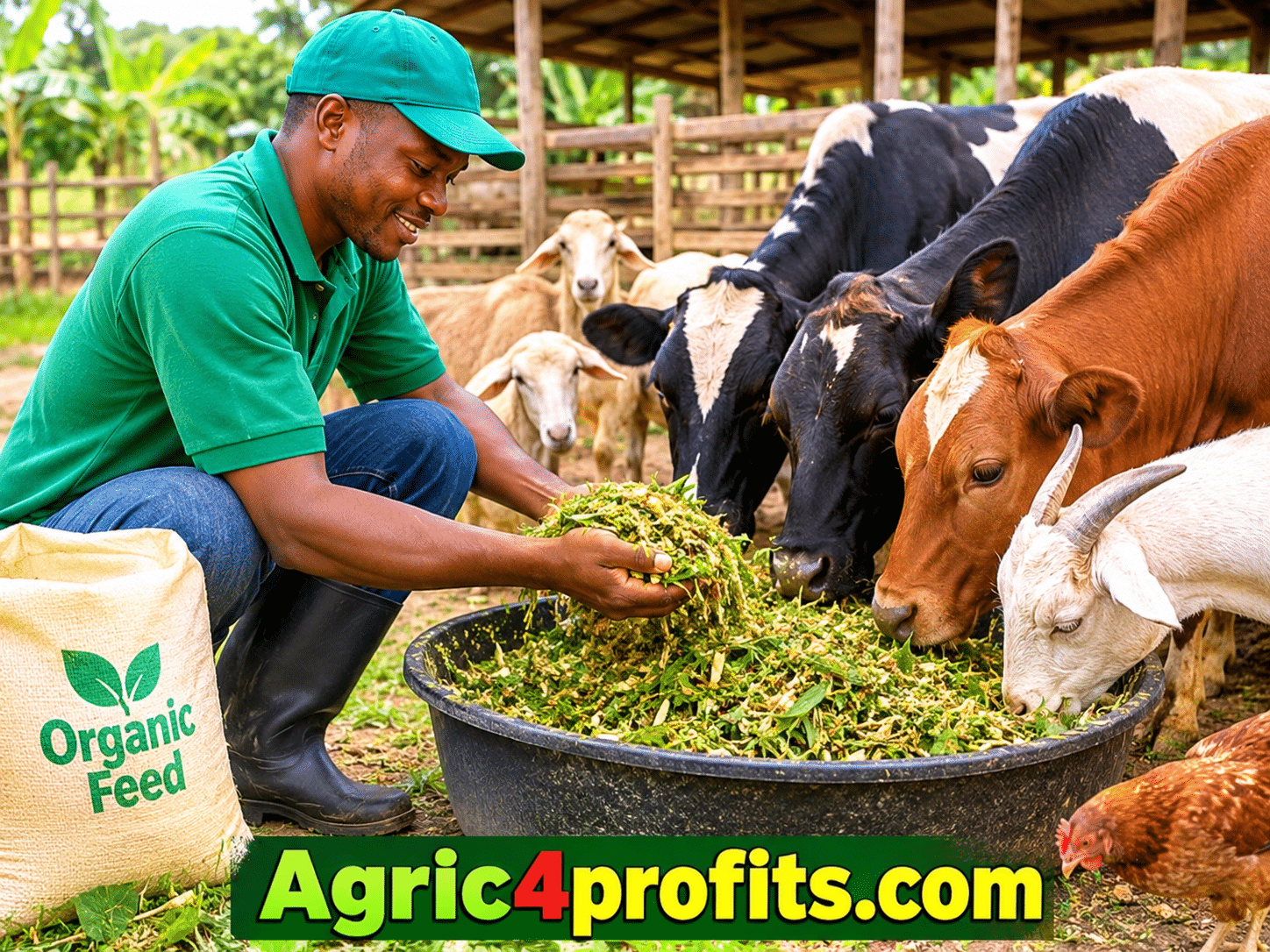
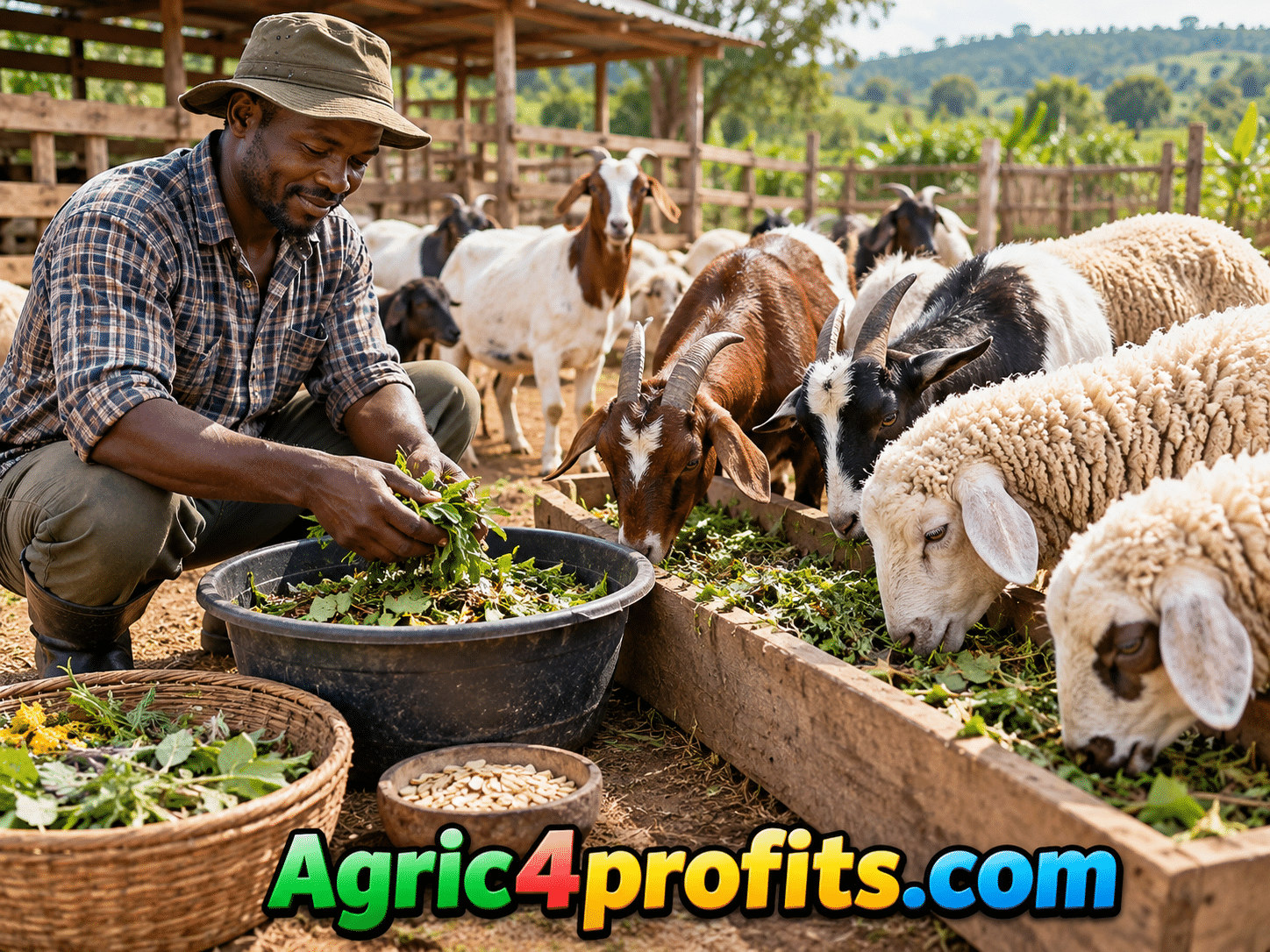
| 2 | Feed, whether mixed at home from grains and kitchen scraps or purchased commercially | Rabbits require a balanced diet for optimal growth. Many farmers take pride in mixing their own feed from locally available ingredients, while others may opt for pre-mixed commercial options, which can vary in affordability. |
| 3 | Housing and shelter, whether built from local materials or purchased kits | Providing adequate shelter protects rabbits from harsh weather and predators. Farmers often decide between constructing their own homes using local resources or buying ready-made solutions depending on their budget and skills. |
| 4 | Water supply, whether drawn from wells, rainwater collection, or purchased | Water is essential for rabbit health and productivity. Many farmers find creative ways to provide water, whether through boreholes, collected rainwater, or purchasing when necessary, reflecting the diversity of approaches. |
| 5 | Medication and health care, whether sourced from local vets or self-administered practices | Keeping rabbits healthy involves regular veterinary care. Farmers may choose to consult local vets or rely on their knowledge and remedies, which can impact their costs significantly depending on their approach. |
| 6 | Breeding stock, whether purchased to improve genetics or bred from existing rabbits | Maintaining optimal breeding stock is crucial for success. Farmers might invest in new genetics to improve their herd or continue breeding from their existing rabbits, which reflects their individual farming strategies. |
| 7 | Transport costs, whether moving rabbits locally or to markets | Transporting rabbits when selling can impact profits significantly. Farmers will navigate local routes for higher profits, whether using community transport options or their own vehicles, managing costs as efficiently as possible. |
| 8 | Training and knowledge, whether through workshops or shared community experiences | Investing in knowledge benefits rabbit farming. Many farmers choose to attend workshops and training sessions, while others learn from each other within their community, both paths nurturing growth. |
Every item in that table depends on your own specific situation. A farmer who saves Rabbit from their last harvest and uses compost they made themselves from farm waste spends very differently from a farmer who purchases every input. The Feed Formulation Calculator works equally well for both. You enter what you actually spent and you get your own real result based on your own real farm.
What the Feed Formulation Calculator Does for Your Rabbit Farm
The Agric4Profits Feed Formulation Calculator is a free tool built specifically for African farmers. You put in your numbers and it gives you your result immediately. No waiting. No interpretation needed. Just clear honest numbers that show you exactly where your Rabbit farm stands financially.
Here is what the tool shows you:
- The total feed cost calculated indicates how much you will spend on your rabbits, helping you budget effectively for your farm.
- The optimal ration breakdown shows the best blend of ingredients, ensuring your rabbits receive proper nutrition at the lowest possible cost.
- The growth rate projection gives clarity on how fast your investment in rabbits is growing, allowing for better planning of sales and reinvestment.
- The health cost estimation points out areas where you may need to focus on preventative care, ensuring the long-term wellness of your rabbits.
- The expected yield values help you understand how many rabbits you can realistically expect, guiding your planning and resource allocation.
- The seasonal price forecast assists you in deciding the right moments to sell, maximizing your profitability based on market trends.
- The overall profitability analysis summarizes your expenditures against predicted earnings, giving you a clear view of whether your rabbit farm is on track to be sustainable.
That break-even figure is the one that surprises most farmers the most. Many smallholder farmers sell their harvest without this number and as a result find themselves negotiating without a clear bottom line. Once you know your break-even point you know the minimum price you can accept and the minimum quantity you need to sell. That knowledge alone changes everything about how you approach the market.
How to Use the Feed Formulation Calculator for Your Rabbit Farm
You do not need to register. You do not need to download anything. It works right here on your phone or computer.
A. What You Enter
- Your animal type and production stage (starter, grower, finisher, or layer)
- Your available ingredients and their local prices
- The nutrient values for each ingredient
- Your target batch size in kilograms
B. What You Do
- Select your animal type and production stage
- Add your ingredients one by one with their prices
- Enter the nutrient values for each ingredient
- Click Formulate
C. What You Will See
- Your optimised ingredient mix in kilograms per 100kg batch
- The protein and energy levels your formula achieves
- Your cost per kilogram of formulated feed
- Your total cost per batch
- Your savings compared to buying commercial feed
Use the Feed Formulation Calculator Right Here (It Is Free)
The Agric4Profits Feed Formulation Calculator is below. Enter your real Rabbit farming figures and see your result right now on this page.
⚙ Agric4Profits Feed Formulation Calculator
What the Tool Will Show You
A well managed Rabbit farm keeps feed costs as low as possible without sacrificing the health and growth of the animals. Enter your available ingredients and local prices into the calculator above to get your optimised feed formula and see exactly what your feed is costing you per kilogram.
📖 Want to Go Deeper on This Topic?
Our expert agricultural ebooks cover poultry, fish farming, different crops production, snail farming, organic farming, mushrooms, sheep, cattle, flowers, pig farming, goat farming, agribusiness, etc. in practical step-by-step detail — written by agricultural professionals for African farmers.
Many rabbit farmers in Burkina Faso first discovering how much they can save on feed costs were pleasantly surprised by their hidden efficiencies. Others realize that a small adjustment in their breeding techniques could lead to significantly higher outputs, a realization that opens doors to new possibilities.
Either way, knowing your real numbers puts you in a position of strength. You stop guessing and start deciding.
Practical Tips for Rabbit Farmers in Burkina Faso
1. Create a balanced diet for your rabbits: Offering a variety of fresh vegetables alongside their main feed can lead to happier, healthier rabbits. Those who stick to a monotonous diet may find their rabbits less productive, while diversifying feeds keeps them active and healthy.
2. Monitor breeding cycles closely: Keeping track of your rabbits' breeding schedules allows for better management of your population. Farmers who are attentive to these details can optimize their production, while those who neglect this aspect may find themselves with unpredictable numbers.
3. Build sturdy housing: Constructing safe and comfortable housing ensures your rabbits are protected from the elements and potential predators. Farmers who invest time in building quality shelters see their rabbits thrive, while neglecting shelter can lead to illness and loss.
4. Practice regular health checks: Frequent checks for signs of illness can save you from losing valuable rabbits to diseases. Those who take this seriously often spot issues early on, while others may ignore subtle signs, leading to greater losses.
5. Record keeping for costs and yields: Maintaining a detailed log of your expenses, breeding dates, and sales helps you understand your farm's financial health. A farmer who keeps records can adapt strategies based on accurate data, while those without this information may struggle to identify where improvements are needed.
6. Use the calculator to set realistic feeding budgets: Leveraging the output from the Feed Formulation Calculator can help you allocate your funds wisely. This approach ensures that you do not overspend on feed while still providing optimal nutrition for your rabbits, a crucial balance for profitability.
7. Plan your sales according to seasonal trends: Utilizing insights from the calculator about expected yields and prices allows you to maximize your revenue. Farmers who align their sales with these trends often enjoy better profits compared to those who sell without considering market timing.
8. Invest in consistent training: Participating in workshops informed by the calculator's insights enhances your skills. Farmers who continually learn can better adapt to changes in markets or practices, while those who resist change often find it difficult to keep up.
9. Create networks with other farmers: By connecting with fellow rabbit farmers, you can share tips and insights on feed formulation and breeding practices. Those who work together can learn faster and implement strategies that lead to better farming practices than those who go it alone.
10. Stay informed about market prices: Regularly checking market reports helps ensure you are selling at competitive prices. Farmers who know current prices can negotiate better, while others may sell below value due to lack of knowledge.
11. Keep an eye on rabbit health: Monitoring the health of your rabbits is essential to avoid costly losses. Regular assessments allow you to catch health problems early, maintaining a productive herd compared to farmers who check less frequently.
12. Explore alternative pellets: Considering homemade rabbit feed can save costs and improve nutrition. Many farmers who experiment with local ingredients see enhanced rabbit health and lower feeding bills, while those relying solely on store-bought options may incur higher expenses.
13. Understand local breeding practices: Learning from seasoned farmers in your community can provide valuable insights into effective breeding methods. Those who ask for advice often find strategies that lead to greater success in their breeding practices.
14. Develop a proper vaccination routine: Establishing a vaccination regime for your rabbits can prevent disease outbreaks. Farmers who prioritize health management often have fewer losses compared to those who are less proactive.
15. Practice rotational grazing for feed: Allowing rabbits to graze on different patches of forage helps maintain healthy diets and soil health. Farmers who rotate grazing grounds find their animals thrive better than those with static grazing areas.
Frequently Asked Questions on Feed Formulation Calculator for Rabbit Farming in Burkina Faso
1. What are the benefits of rabbit farming in Burkina Faso?
Rabbit farming brings numerous benefits, including increased household income, a reliable food source, and the opportunity to engage in community-building activities. These gentle animals are easy to rear and provide quick returns, making them ideal for smallholder farmers looking to improve their livelihoods.
2. How much space do I need for a rabbit farming unit?
Space needs can vary, but generally, a smallholder farmer can successfully raise a modest number of rabbits in a relatively small area. Providing sufficient space for social interaction and exercise is crucial, influencing the health and productivity of your rabbits.
3. How do I ensure the proper health of my rabbits?
Maintaining proper health involves regular health checks, vaccination schedules, and a balanced diet. Investing in good husbandry practices means you can catch any issues early and keep your rabbits thriving, preventing losses from preventable ailments.
4. What is the ideal diet for rabbits?
Rabbits benefit from a varied diet that includes fresh greens, high-quality hay, and commercially prepared pellets. A diversified diet supports overall health and growth, nurturing rabbits to reach their optimal potential.
5. How can I get more information on rabbit farming?
Local agricultural extension services and cooperative groups can provide valuable information on best practices and resources for rabbit farming. Engaging with experienced farmers in your community also offers great insights into successful farming strategies.
6. What does the Feed Formulation Calculator do?
The Feed Formulation Calculator analyzes the ingredients in your feed mix, helping you craft balanced and nutritious recipes for your rabbits. By adjusting proportions based on nutritional needs, you optimize both growth and cost efficiency.
7. How accurate is the yield prediction from the calculator?
The yield prediction is based on historical data and averages from well-managed rabbit farms, providing realistic expectations for your own farming. While results can vary, using the calculator gives you a solid framework for goal setting.
8. Can I customize the recipes suggested by the calculator?
Absolutely! The Feed Formulation Calculator is designed to help you tweak ingredients to fit both your rabbits’ needs and what’s available locally. This flexibility allows for more personalized feed formulations.
9. Is there a way to track my costs using the calculator?
The calculator allows you to input your specific costs, making it easier to track where your money goes. Gaining this clarity on expenses helps you manage your budget and resource allocation effectively.
10. How can I implement the findings from the calculator in my daily farming?
Implementing findings involves adjusting your feeding, planning for expenses, and monitoring results. By making small changes based on the calculator's insights, farmers often see enhanced productivity and profitability, transforming their approach to rabbit farming.
Knowing your profit from your Rabbit farm is powerful. But profit from one season is just the beginning. The farmers who truly grow their farms over time are the ones who move from knowing their numbers to building a complete plan around those numbers. A plan that covers not just this season but the next three years.
Building that plan does not require a university education or an expensive consultant. It requires a structured approach that takes you through every important question one step at a time. The Agric4Profits FarmSmart Business Planner was built to answer every one of those questions for any farmer across Africa, in any of the 54 African countries, in a way that any farmer can follow and any bank or investor can read.
Once you have optimised your feed costs for Rabbit farming, the next step is building a complete farm business plan that accounts for every expense. The Agric4Profits FarmSmart Business Planner guides you through your full farm plan in six steps, from budget and recommendation to cost breakdown, revenue projection and market strategy. Steps 1 to 5 are completely free. Your complete bankable business plan is available with a Pro membership.
Other Free Farming Tools Available on Agric4Profits
Agric4Profits offers 23 free professional farming tools covering every aspect of African agriculture. Here are all the other tools available to you completely free.
- Farm Profit Calculator: Calculate your exact farm profit, return on investment and break-even point in your local African currency.
- Animal Production Calculator: Track and analyse your animal production performance against African farming benchmarks.
- Crop Production Calculator: Calculate your full crop production costs, yield estimates and profit per hectare.
- Farm Finance Calculator: Plan your farm cash flow, loan repayments and complete financial projections before you invest.
- Planting and Harvest Calendar: Find the best planting window and expected harvest dates for any crop in any African country.
- Pest and Disease Identifier: Identify what is attacking your crops or animals and get organic treatment recommendations immediately.
- Processing Storage and Value Addition Analyzer: Find out whether processing your harvest increases your profit and by exactly how much.
- Market Price Tracker: Compare prices at different markets and find the most profitable destination for your harvest.
- Soil and Fertility Guide: Diagnose your soil deficiencies and get organic amendment recommendations for your specific crops.
- Processing Yield Calculator: Calculate your exact processing yield and true cost per kilogram for any farm produce.
- Storage and Loss Calculator: Find out how much you are losing in storage and how much you would save by improving your storage method.
- Market Access and Transport Tool: Calculate your true net profit after transport costs and find the most profitable market to sell at.
- Farm Land Measurement and Unit Converter: Convert any land measurement unit used across Africa instantly into every other unit.
- Livestock Vaccination and Treatment Scheduler: Generate a complete vaccination and treatment calendar for your livestock with every date and dosage.
- Livestock Weight Estimator: Estimate the live weight, carcass weight and selling value of your livestock before going to market.
- Crop Spacing and Seed Rate Calculator: Calculate exactly how many seeds or seedlings you need for your farm size and preferred spacing.
- Irrigation and Water Management Calculator: Calculate your daily water requirement and full irrigation schedule for any crop and farm size.
- Fish Pond Design Calculator: Design your fish pond and calculate your full production plan, expected harvest and profit projection.
- Composting and Organic Input Calculator: Build your optimised compost recipe from materials available on your own farm and calculate the application rate.
- Farm Record Keeping Template Generator: Generate a complete customised record keeping system for your specific farm type and categories.
- Women in Agriculture Free Consultancy: Get a personalised farming action plan and expert guidance completely free for women farmers across Africa.
- FarmSmart Business Planner: Build your complete farm business plan in six steps covering budget, costs, revenue, market strategy and your bankable plan.



.png)
