

.jpeg)
.png)
Feed capacity, financial leverage are major variables
Editor’s Note: This is the second of two articles on the Pasture, Rangeland, Forage program. See part one for more of the basics on PRF coverage here.
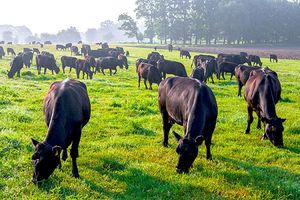 Many livestock producers purchase U.S. Department of Agriculture Risk Management Agency (USDA-RMA) Pasture, Rangeland, Forage (PRF) coverage. But how do you know if it will be the right tool to protect you?
1. The impact of climate and the need for rangeland insurance
The climate is typically dry and arid in eastern Oregon and Montana, where many of ProAg Regional Vice President Tyffany Basila’s agents operate. Without irrigation, her customers know a lack of moisture poses a major threat to livestock productivity, so many look to have their policyholders insure their hay and grazing capabilities with PRF.
“If our agent’s customers don’t get precipitation at key times, it can have a devastating effect on the future of that ranch. Livestock would be significantly cut because of the lack of feed or hay,” said Basila. “It’s just paramount that they have coverage.” ProAg Regional Vice President Travis Greene said as operation size grows and location moves farther west into the arid southern Plains, cattle producers are more likely to purchase PRF coverage.
“The real need in our agents’ book is going to be large-scale cattle producers in Texas and Oklahoma, with some in Kansas and Colorado,” Greene said. “Most of our policyholders are buying large PRF policies because it’s so dry in these areas.”
2. Policy cost-efficiency factors
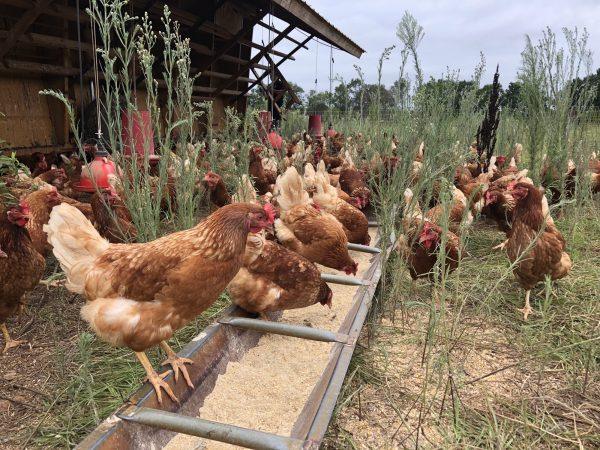
A major contributor in deciding whether PRF is a viable option is how closely grazing and forage capacity align with the producer’s herd size. If the producer has some “wiggle room” between the two, he or she is less likely to need PRF, given the higher likelihood of having enough forage to support a herd.
“It’s going to be based on what they can afford if they have to replace forage or feed when they lose production because of a lack of moisture,” Basila said. “If you’re running at maximum capacity, turning cows out and counting on every stitch of hay, you’re going to be more likely to take out a PRF policy.”
3. Financial leverage
Overall, financial leverage is another big variable. Typically, the higher the debt load, the greater the need for a PRF policy, given the additional out-of-pocket expenses required to sustain a herd during a drought-shortened forage year.
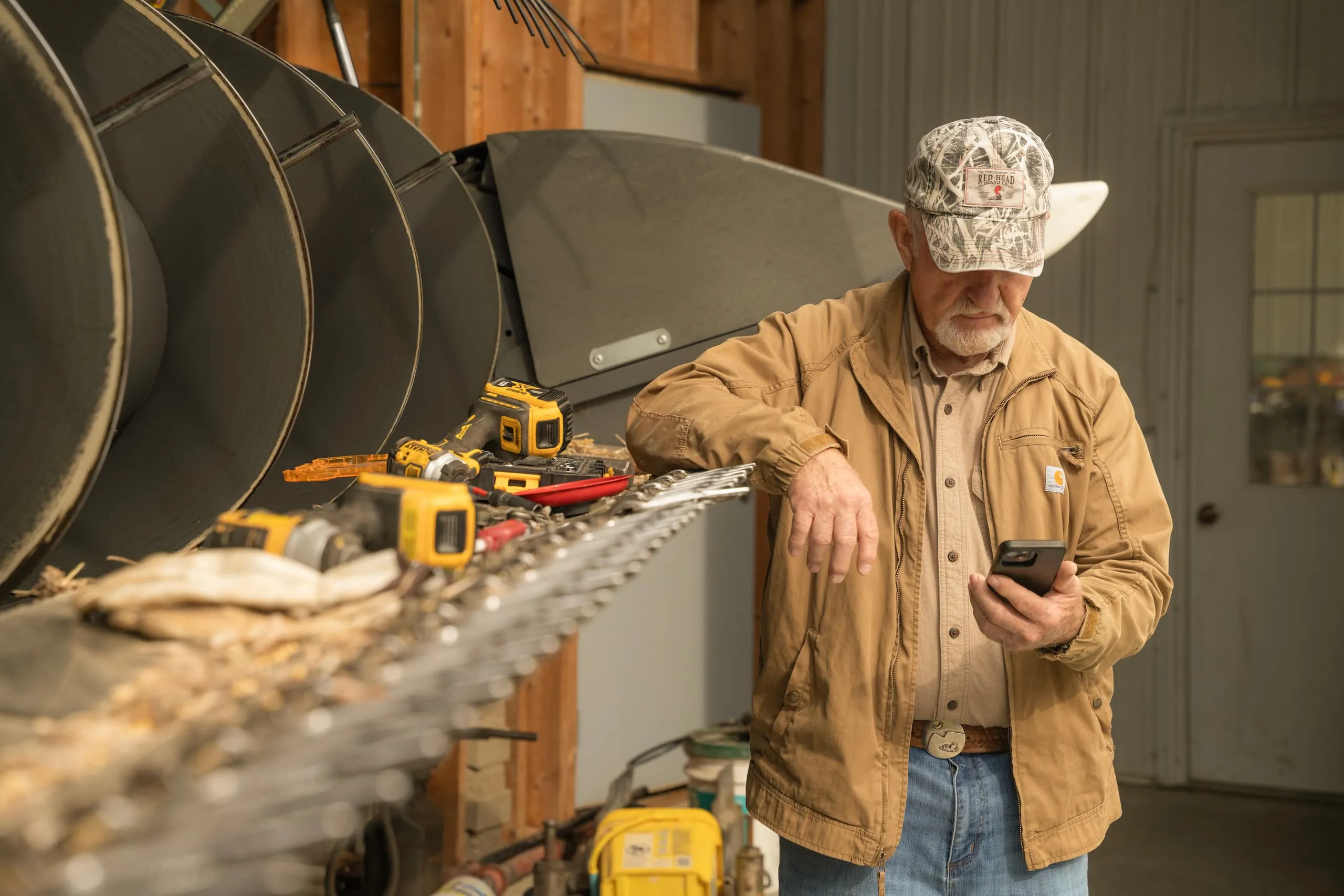
“Some producers have all equipment paid for, while others might be heavily leveraged at the bank,” Basila said. “If you have a bad year and have to go out and buy silage, can you survive it? If not, you’ll want top-end coverage. Part of the agent’s job is to ask these questions and assess exposure.”
A helpful PRF tool from ProAg
Making a decision about the level of PRF coverage is never simple, but ProAg agents have a valuable resource in the quoting and PRF decision-support tools provided by ProAg Crop Insurance Company. The tools assemble the data variables, including USDA PRF grid information and historical data, essential to making an informed decision, and enable the producer to see potential premium costs before deciding on coverage level and timing.
Added Basila: “The quoting tool is pretty streamlined, easy-to-use and shows historical info so agents within a grid and print out a nice quote sheet. Growers know their premium up front, so they can budget for that expense. If the worst-case scenario unfolds, they know there will be financial help to get them through it.”
If you’re interested in adding PRF coverage to your operation, start here. If you would like to see how it will directly affect your operation, contact your local ProAg agent or regional specialist.


.png)
