

.jpeg)
.png)
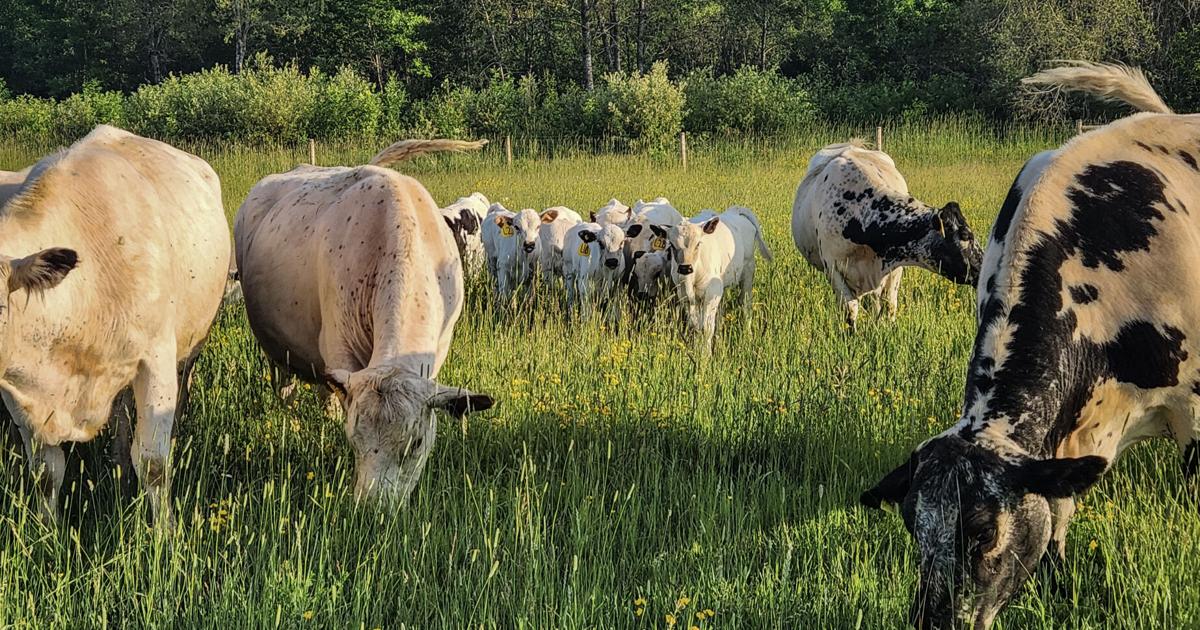
Nelore cattle are one of the most important beef breeds in the world, especially in tropical regions, where they are valued for their exceptional heat tolerance, disease resistance, and efficiency in harsh environments. Originating from India and belonging to the Bos indicus (zebu) group, Nelore cattle were later developed and widely expanded in Brazil, where they now dominate the beef industry. Today, they are also found in countries such as South Africa, Paraguay, and Australia, playing a key role in global beef production. Nelore cattle are easily recognized by their white or light grey coats, loose skin, large hump over the shoulders, and long legs.
One of the greatest strengths of Nelore cattle is their ability to thrive in hot and challenging climates. Their light-colored coats reflect sunlight, while their loose skin and well-developed sweat glands help regulate body temperature. This allows them to remain productive in environments where many European cattle breeds struggle. Nelore cattle are also highly resistant to parasites such as ticks and flies, as well as certain tropical diseases, making them a low-maintenance option for farmers in these regions.
Nelore cattle are well-suited to extensive grazing systems. They can survive and perform efficiently on low-quality forage, converting grass into body weight with minimal supplemental feeding. Although they may have slower growth rates compared to some European beef breeds, their ability to maintain condition under poor grazing conditions makes them highly reliable. Their long lifespan and resilience contribute to lower overall production costs.
In terms of meat production, Nelore cattle produce lean beef that is widely consumed, particularly in markets that prefer lower fat content. While their meat is generally less tender than that of some British breeds, crossbreeding programs have helped improve meat quality. Nelore cattle are often crossed with breeds like Angus or Hereford to produce offspring that combine adaptability with better marbling and tenderness. These crossbreeds are increasingly popular in commercial beef production.
Reproductively, Nelore cattle are known for their strong maternal traits and good fertility. Cows are protective of their calves and can raise them successfully even under tough environmental conditions. This contributes to higher survival rates and stable herd growth.
Economically, Nelore cattle are extremely important, particularly in Brazil, one of the world’s largest beef producers. Their low input requirements, combined with their adaptability, make them a cost-effective choice for both large-scale ranching operations and smaller farms.
Proper management is still essential for optimal performance. Farmers must provide adequate grazing, clean water, and mineral supplementation, along with basic health care such as vaccinations and parasite control.
In conclusion, Nelore cattle are a highly resilient and productive beef breed, perfectly suited to tropical and subtropical environments. Their heat tolerance, disease resistance, and efficiency make them a cornerstone of sustainable beef production, particularly in regions where environmental challenges limit other breeds






.png)
