

.jpeg)
.png)
Peace on Earth is something for which people have been wishing for thousands of years. World leaders often speak of peace. But for all the wishing and talking, peace is still elusive. It may be that peace would be easier to attain if we could visit a place where it already exists. If we could experience peace by touching, seeing and feeling it, maybe it would be easier to carry it in our hearts to share with others.
Crossing a border between nations is nerve-wracking for many people. Passports are inspected. Probing questions regarding citizenship are asked. Pets are examined. Sometimes vehicles are inspected for fresh foods that could transport disease to farms, or other contraband that is illegal. But one unusual exception exists to the normal stress of crossing an international border.
Between the Canadian and United States border crossings at the Turtle Mountains, a sign beckons. The stretch of international border is lonely because the closest town on the Canadian side is Boissevain, Manitoba, and the closest town on the U.S. side is Dunseith, North Dakota. Neither town is large nor very close to the border. Farm fields and forests stretch out for miles on both sides.
A sign reads, “International Peace Garden.” An arrow on the sign points due west. Turning onto an access road situated directly on top of an international border line is just the start of a journey toward peace.
The International Peace Garden graces the border between Canada and the United States between Manitoba and North Dakota. The plan of the park very deliberately celebrates and instills peace by observing the peaceful border between nations that have been friends since 1815. A long formal garden of domestic flowers incorporates native plants and even garden plants like parsley into a spectacular and soothing display. A fountain and reflecting pool stretch out directly on the border line, with a chapel dedicated to peace on the western end. Along the garden are structures for classes, picnics and horticultural study. A large conservatory building houses cacti and succulents along with a cafe and gift shop.
Stretching out on both sides of the garden along access roads are a music camp and auditorium, along with hiking and biking trails and picnic areas nestled between lakes, streams and hills. A carillon tower rings frequently and softly. Those who walk the paths through the garden are encouraged to stop along the way to reflect at memorials to times when the world came together for peace. The Peace Chapel provides a special atmosphere of light and messages of peace from world religions, leaders and philosophers.
The garden was envisioned in 1928 by Henry Moore of Ontario as a place people could come together in friendship. The National Association of Gardeners approved the plan for the garden the next year. Manitoba donated 1,451 acres of land and North Dakota donated 888 acres. The garden, located near the geographic center of North America, was dedicated in 1932 – just before the Nazi Party came to power in Germany.
Folks visit the garden to find peace through experiences. Weddings are held in the Peace Chapel. Receptions and reunions take place in a historic lodge. Children play in a nature play area. Kayaks ply the lakes and streams. Trails that support hikers and bikers in the mild months are filled with cross-country skiers and snowshoers in the winter. As one has experiences in a place deliberately designed to promote peace, peace begins to enter the soul and psyche. Many start to feel better after time in the park, but only later realize why.
In the International Peace Garden the causes of war and strife become evident as they fall away. Greed, envy, spite, hatred, avarice, ignorance and all the strife associated with each malady are neutralized by nature and the forces of good. Here there is hope that human beings can find a way to overcome the hate that has led to the death and destruction of war all around the world.
At a time when many seek to exclude others as they divide the world, the International Peace Garden helps visitors find a different way forward. Those who doubt that peace is possible can experience it for themselves in the middle of North America between Manitoba and North Dakota. It’s unlikely that anyone will leave the garden without hope in their heart.
Visit peacegarden.com for more information.
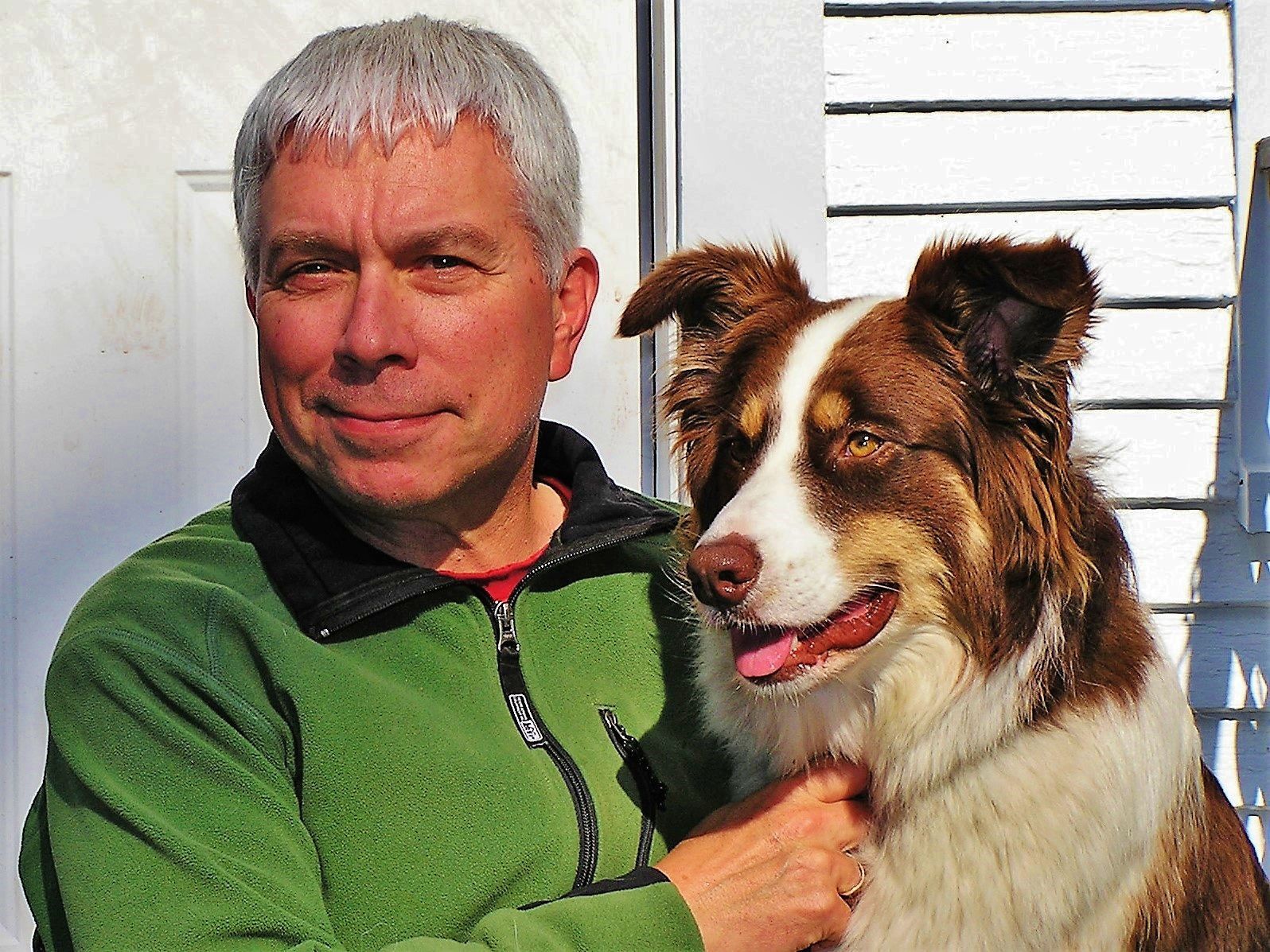
Jason Maloney and Red
This is an original article written for Agri-View, a Lee Enterprises agricultural publication based in Madison, Wisconsin. Visit AgriView.com for more information.
Jason Maloney is an “elderly” farm boy from Marinette County, Wisconsin. He’s a retired educator, a retired soldier and a lifelong Wisconsin resident. He lives on the shore of Lake Superior with his wife, Cindy Dillenschneider, and Red, a sturdy loyal Australian Shepherd.
Be the first to know
Get local news delivered to your inbox!




.png)
