
 3 weeks ago
23
3 weeks ago
23

.jpeg)
.png)
Press play to listen to this article
Voice
Garden egg, also known as eggplant, aubergine, or brinjal (Solanum melongena), is an economically important flowering plant in the nightshade family Solanaceae. It is widely cultivated and consumed throughout Nigeria and many other parts of the world, both domestically and commercially.
The plant produces an edible fruit that is botanically a berry, though typically used as a vegetable in cooking. Most commonly purple, the spongy, absorbent fruit features prominently in various cuisines.
In Nigerian society, garden egg is a highly valued delicacy whose importance extends to both consumers and farmers. It symbolizes fertility and blessing, often served during wedding ceremonies in some communities.
Beyond its role as a vegetable source, the garden egg plant offers numerous health benefits essential for overall human development.
Its acceptance spans religious, tribal, cultural, and ethnic groups in Nigeria and likely worldwide, contributing to its widespread use.
Read Also: The Basics of Planting and Growing a Vegetable Garden
🌿 Go Organic on Your Farm: Instead of harmful chemical pesticides and fertilisers, try our organic farming products — including neem oil spray, bio-pesticides, natural plant treatments, organic seeds and seedlings, suckers, and many more organic products that are safe for your health, your family, your soil and your harvest. Shop Now →
Major Health Benefits of Garden Egg (Eggplant)
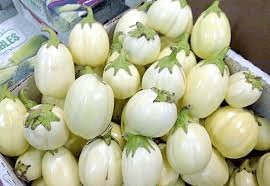
There are numerous health benefits associated with garden egg (eggplant). Below are six major ones, followed by additional advantages.
1. Reduces Cholesterol
Garden egg is low in calories, sodium, and protein, while being very high in dietary fiber and potassium. The high fiber content helps reduce bad cholesterol in the body, thereby protecting the heart.
For weight reduction, garden egg is an excellent choice for achieving weight loss in a short period due to its very low calorie content.
This makes it ideal for those aiming to lose weight or protect their heart from cholesterol-related issues.
🔧 Free Farm Tool Available: Use our free Agric4Profits Farm Tools to calculate your farm profits, formulate feeds, identify pests and diseases on both your crops and animal farms, plan your planting and harvesting season, including many more farm tasks to get free expert advice and recommendations — completely free, no registration required. Access Free Tools →
2. Regulates Blood Pressure
Garden egg helps regulate blood pressure, maintain heart function, and control glucose absorption. It reduces the risk of hypertension; for diabetic individuals, it suppresses sugar levels and lowers blood pressure.
3. Anti-Ulcer Agent
Garden eggs possess anti-ulcer properties that can help suppress ulcer ailments (though they do not prevent ulcers entirely, the content in the fruit aids in managing the condition).
4. Lowers Eye Pressure
Consuming plenty of garden egg can help lower eye pressure in persons with glaucoma.
5. Rich in Vitamins
Garden egg fruit is beneficial and nourishing due to its richness in vitamins, providing both fat-soluble and water-soluble varieties. It contains thiamine (required for normal growth and proper heart and nervous system function) and niacin (needed for cellular respiration).
6. Fights Cancer
Garden egg is recognized as one of the anti-cancer fruits used for decades to combat cancer and other diseases.
💬 Have a Farming Question? Join thousands of farmers across Africa on the Agric4Profits Community — ask questions, share experiences and connect with agricultural experts. It is completely free. Ask Your Question Now →
Read Also: 31 Healing Powers of Bitterleaf (Vernonia Amygdalina)
Other Health Benefits of Garden Egg

- Flexibility of blood vessels
- Cardio protective
- Natural source of B vitamins like thiamin, niacin, B6, and pantothenic acid
- Improves digestive system
- Good for skin and hair
- High in folate, manganese, vitamin K, magnesium, vitamin C, and copper
- A source of nasunin (a powerful and rare antioxidant for the brain)
- Bone strengthening minerals
- Improves blood circulation
- Beneficial for constipation due to high fiber
- Good for colon health
- Good amount of phenolic acid, anthocyanins, and flavonoids—these antioxidants help protect the body from health risks like aging, inflammations, and neurological diseases
Garden eggs are consumed in various forms: raw, cooked (e.g., in sauce), or as salad.
Scientific Evidence and Case Studies on Health Benefits of Garden Egg (Eggplant)
1. Cholesterol and Heart Protection: High fiber and potassium in eggplant help reduce bad cholesterol and support cardiovascular health, with studies showing hypolipidemic effects.
2. Blood Pressure Regulation: Eggplant powder intake significantly decreases diastolic blood pressure in stressed or hypertensive individuals, as demonstrated in randomized placebo-controlled studies.
3. Anti-Ulcer and Digestive Benefits: Extracts exhibit anti-ulcer properties and improve gut health through high fiber, aiding constipation and colon function.
4. Eye Pressure and Glaucoma Support: Consumption lowers intraocular pressure in glaucoma patients, with research on visual function improvements in specific populations.
5. Antioxidant and Brain Protection: Nasunin, a potent anthocyanin in eggplant peels, acts as a strong oxygen radical scavenger, protecting against lipid peroxidation in brain tissues.
Summary of Health Benefits of Garden Egg (Eggplant)
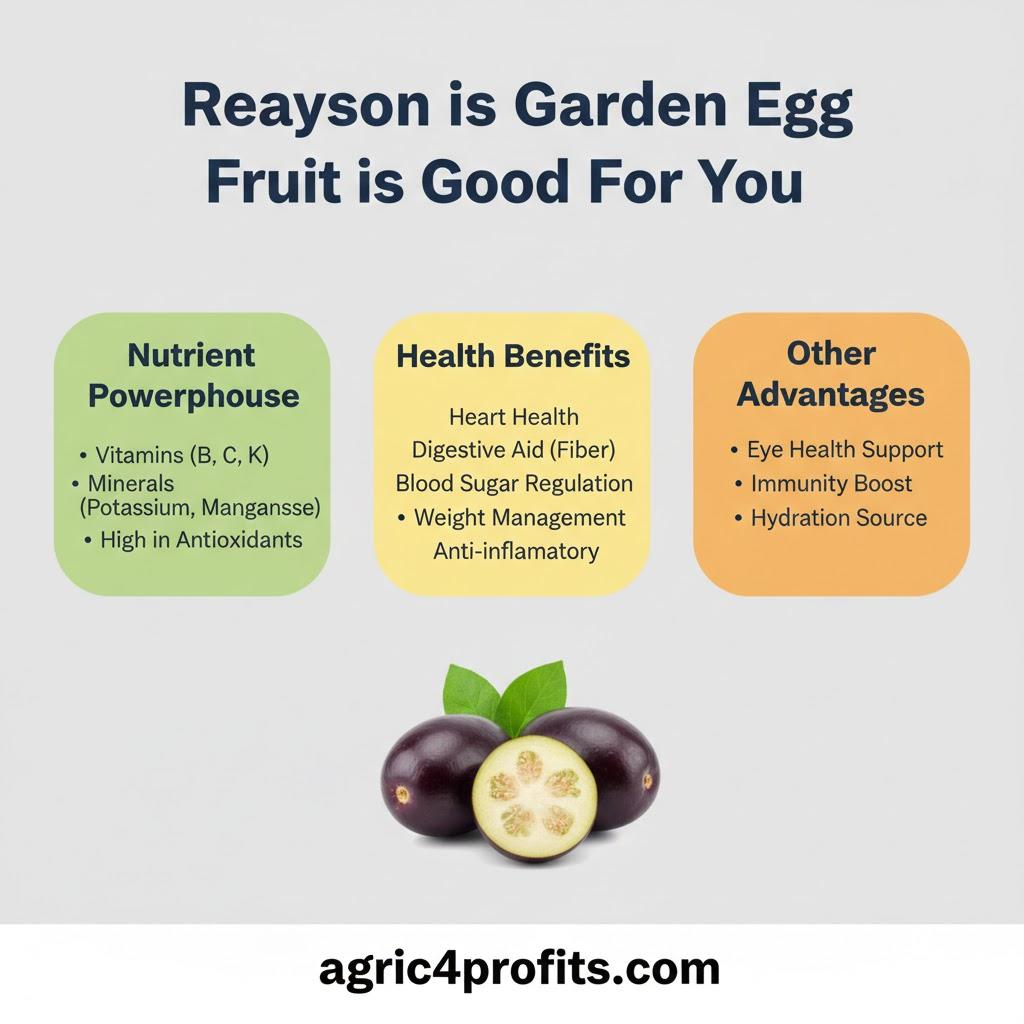
| What is Garden Egg? | Edible fruit (berry) of Solanum melongena plant; purple, spongy; used as vegetable in cuisines worldwide, highly valued in Nigeria. |
| Nutritional Profile | Low calories/sodium; high dietary fiber, potassium, vitamins (B-group, C, K), minerals (manganese, magnesium, copper, folate); antioxidants like nasunin, anthocyanins, flavonoids. |
| Major Benefits | Reduces bad cholesterol; regulates blood pressure; anti-ulcer; lowers eye pressure (glaucoma); rich in vitamins; fights cancer potential. |
| Additional Benefits | Cardio protective; improves digestion/colon health; good for skin/hair/bones; brain antioxidant (nasunin); blood vessel flexibility; anti-inflammatory/aging protection. |
| Consumption Forms | Raw, cooked in sauces, salads; versatile across cultures. |
| Overall Advice | Incorporate into diet for nutritional and health support; low-calorie option for weight management and heart health. |
Frequently Asked Questions
1. What is garden egg and why is it called eggplant?
Garden egg is the Nigerian name for eggplant (Solanum melongena), a fruit vegetable in the nightshade family, known for its egg-like shape in some varieties.
📖 Want to Go Deeper on This Topic?
Our expert agricultural ebooks cover poultry, fish farming, different crops production, snail farming, organic farming, mushrooms, sheep, cattle, flowers, pig farming, goat farming, agribusiness, etc. in practical step-by-step detail — written by agricultural professionals for African farmers.
2. Is garden egg good for weight loss?
Yes, it is low in calories and high in fiber, making it an excellent food for weight reduction when included in a balanced diet.
3. Can garden egg help lower high blood pressure?
Yes, its potassium and fiber content help regulate blood pressure, with studies showing eggplant consumption or powder reduces diastolic pressure.
4. Does garden egg reduce cholesterol levels?
Yes, the high dietary fiber binds to fats and helps lower bad cholesterol, protecting heart health.
5. Is garden egg beneficial for people with diabetes?
It aids in controlling blood sugar by suppressing glucose absorption and supporting better regulation.
6. Can eating garden egg help with glaucoma?
Yes, it can lower eye pressure in glaucoma patients, as supported by research on its effects on visual functions.
7. What makes garden egg good for the brain?
It contains nasunin, a powerful antioxidant in the peel that protects brain cells from oxidative damage.
8. Does garden egg have anti-cancer properties?
It is rich in antioxidants like phenolic acids, anthocyanins, and flavonoids that may help protect against cancer risks and other diseases.
9. How should garden egg be eaten for maximum benefits?
It can be eaten raw, cooked in sauces, or as salad; including the peel maximizes antioxidant intake like nasunin.
10. Are there any side effects of eating too much garden egg?
Generally safe in moderation; excessive intake may cause digestive discomfort due to high fiber in sensitive individuals, but it is nutritious overall.
Do you have any questions, suggestions, or contributions? If so, please feel free to use the comment box below to share your thoughts. We also encourage you to kindly share this information with others who might benefit from it. Since we can’t reach everyone at once, we truly appreciate your help in spreading the word. Thank you very much for your support and for sharing!
Disclaimer: This article is for educational and informational purposes only. The health benefits described are based on scientific research and traditional knowledge. They ayre not a substitute for professional medical advice, diagnosis, or treatment. Always consult a healthcare professional before using any herb or natural remedy for medical purposes.
Read Also: Used Cooking Oil Recycling Process: Complete Guide


.png)
