
 1 month ago
25

.jpeg)
.png)
Press play to listen to this article
Voice
Bauhinia Petersiana, commonly known as Camel's Foot or Butterfly Leaf, is a remarkable medicinal plant that holds a myriad of health benefits. Native to various regions of Africa, this plant has been used for centuries in traditional medicine due to its potent therapeutic properties.
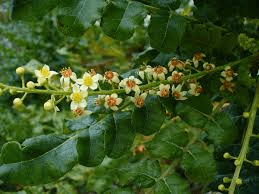
The leaves are notably bilobed, resembling a butterfly's wings or, to some, a camel's footprint, hence its common names.
The lobed structure is deeply divided, creating two distinct lobes that are connected at the base, giving the appearance of two separate leaflets attached by a central stem. This distinctive shape is what sets it apart from many other plants.
The flowers are typically pink to purple in color and boast a remarkable five-petaled structure. The petals are delicately arranged, forming an elegant bloom that captures the attention of pollinators and admirers alike.
Indigenous to various regions of Africa, particularly in countries such as South Africa, Zimbabwe, and Mozambique, Bauhinia Petersiana thrives in a range of habitats.
It can be found growing in diverse landscapes, from grasslands to savannas and woodland areas. This adaptability to different environments speaks to its resilience and versatility as a plant species.
🌿 Go Organic on Your Farm: Instead of harmful chemical pesticides and fertilisers, try our organic farming products — including neem oil spray, bio-pesticides, natural plant treatments, organic seeds and seedlings, suckers, and many more organic products that are safe for your health, your family, your soil and your harvest. Shop Now →
Bauhinia Petersiana is a deciduous shrub that can attain varying heights, generally ranging from 1 to 3 meters (3 to 10 feet). Its growth habit is relatively compact, making it suitable for garden settings and landscaping projects.
The plant's branches exhibit a branching pattern that adds to its overall aesthetic appeal.
As a member of the legume family, Bauhinia Petersiana produces seed pods that encapsulate its seeds. These pods are elongated and slightly curved, containing multiple seeds within. When mature, the pods split open, releasing the seeds into the environment, facilitating the plant's reproductive cycle.
Bauhinia Petersiana holds cultural significance in various indigenous communities where it has been used for its medicinal properties and incorporated into traditional healing practices.
🔧 Free Farm Tool Available: Use our free Agric4Profits Farm Tools to calculate your farm profits, formulate feeds, identify pests and diseases on both your crops and animal farms, plan your planting and harvesting season, including many more farm tasks to get free expert advice and recommendations — completely free, no registration required. Access Free Tools →
The distinctiveness of its leaves and its captivating flowers have also led to its cultivation for ornamental purposes, contributing to gardens and landscapes with its unique beauty.
Nutritional Value of Bauhinia petersiana (Camel's Foot)
1. Protein: The seeds of Bauhinia petersiana are notably high in protein, containing approximately 38 g per 100 g. This makes them a valuable source of plant-based protein, comparable to soybeans, and useful for supporting muscle growth, repair, and overall body function in diets where animal proteins are scarce.
2. Fat: The seeds contain about 23 g of fat per 100 g, providing a significant source of energy. These fats include beneficial lipids that can support cellular health and energy needs, particularly in resource-limited settings.
3. Zinc: Bauhinia petersiana seeds are rich in zinc, with around 6 mg per 100 g. Zinc is essential for immune function, wound healing, and DNA synthesis, making it a critical micronutrient for overall health.
4. Iron: The seeds provide approximately 3 mg of iron per 100 g, which supports oxygen transport in the blood and helps prevent anemia, a common issue in many African populations where the plant is consumed.
💬 Have a Farming Question? Join thousands of farmers across Africa on the Agric4Profits Community — ask questions, share experiences and connect with agricultural experts. It is completely free. Ask Your Question Now →
5. Fiber: The seeds are a good source of dietary fiber, contributing to digestive health, regulating blood sugar levels, and promoting satiety, which can aid in weight management and gut health.
6. Carbohydrates: While not as dominant as proteins or fats, the seeds contain carbohydrates that serve as an energy source, complementing their high protein and fat content for a balanced nutritional profile.
7. Essential Amino Acids: The seeds contain essential amino acids, which are crucial for protein synthesis and metabolic functions. These amino acids are vital for individuals relying on plant-based diets.
8. Low Antinutrients (after processing): Raw Bauhinia petersiana seeds contain antinutrients like phytates and trypsin inhibitors, but traditional processing methods like boiling significantly reduce these, improving nutrient bioavailability.
9. Phenolic Compounds: The seeds have phenolic compounds, which offer antioxidant properties, helping to combat oxidative stress and reduce the risk of chronic diseases.
10. Minerals: In addition to zinc and iron, the seeds contain other minerals like calcium and magnesium, which support bone health, muscle function, and metabolic processes.
Read Also: 10 Medicinal Health Benefits of Heptapleurum arboricola (Dwarf umbrella tree)
The Medicinal Health Benefits of Bauhinia petersiana (Camel's Foot)

1. Antioxidant Powerhouse: The leaves of Bauhinia Petersiana are rich in antioxidants, such as flavonoids and phenols, which combat oxidative stress and reduce cell damage.
2. Anti-inflammatory Effects: This plant possesses anti-inflammatory compounds that can help alleviate various inflammatory conditions, including arthritis and joint pain.
📖 Want to Go Deeper on This Topic?
Our expert agricultural ebooks cover poultry, fish farming, different crops production, snail farming, organic farming, mushrooms, sheep, cattle, flowers, pig farming, goat farming, agribusiness, etc. in practical step-by-step detail — written by agricultural professionals for African farmers.
3. Digestive Aid: Bauhinia Petersiana has been traditionally used to improve digestion and alleviate gastrointestinal discomfort. It can aid in soothing upset stomachs and promoting healthy digestion.
4. Immune System Booster: The plant's bioactive components contribute to strengthening the immune system, enabling the body to fend off infections and illnesses effectively.
5, Blood Sugar Regulation: Some studies suggest that Bauhinia Petersiana may help regulate blood sugar levels, making it potentially beneficial for individuals with diabetes.
6. Anti-microbial Properties: The plant exhibits antimicrobial properties that could be useful in combating various bacterial and fungal infections.
7. Wound Healing: Traditional healers have used Bauhinia Petersiana to accelerate wound healing. Its properties may support tissue regeneration and reduce the risk of infections in wounds.
8. Respiratory Support: The plant's extracts have been utilized to ease respiratory issues, such as coughs and bronchitis, by helping to clear airways and reduce inflammation.
9. Cardiovascular Health: Some compounds found in Bauhinia Petersiana may contribute to heart health by promoting healthy blood circulation and managing cholesterol levels.
10. Pain Relief: The plant's analgesic properties may offer relief from various types of pain, making it a potential natural alternative to conventional pain management.
Read Also: 15 Medicinal Health Benefits of Barringtonia Macrostachya (Powder-puff Mangrove)
The Methods of Usage to Achieve the Provided Health Benefits of Bauhinia petersiana (Camel's Foot)
1. Herbal Tea Preparation: One of the most common and versatile methods of using Bauhinia Petersiana is by preparing an herbal tea. To make the tea: Harvest fresh or dried leaves of the plant. Add a small handful of leaves (about 1-2 teaspoons) to a cup of boiling water. Allow the leaves to steep for 5-10 minutes. Strain the tea and enjoy its health-boosting properties.
2. Leaf Extracts: For a more concentrated form of the plant's benefits, you can create extracts from the leaves. This involves grinding fresh or dried leaves into a fine powder. Mixing the powder with a suitable solvent, such as alcohol or glycerin. Allowing the mixture to macerate over a period of weeks to extract the plant's bioactive compounds. Straining the liquid and storing it in a dark glass bottle for future use.
3. Poultices and Topical Applications: Bauhinia Petersiana's leaves can be used topically to address various skin issues and promote wound healing. To make a poultices crush fresh leaves to create a paste-like consistency. Apply the paste directly onto the affected area. Cover the area with a clean cloth or bandage to keep the poultice in place. Leave it on for a specific duration (as advised by a healthcare professional) before removing.
4. Tinctures: Tinctures offer a concentrated form of the plant's medicinal properties. To prepare a tincture chop or crush fresh leaves. Place the plant material in a glass jar. Cover the leaves with a suitable alcohol, such as vodka or brandy. Seal the jar and allow the mixture to steep for several weeks, shaking it occasionally. Strain the liquid, and the resulting tincture is ready for use.
5. Capsules and Supplements: For those seeking a convenient method of consumption, Bauhinia Petersiana extracts can be encapsulated or included in supplement forms. This ensures standardized dosages and easy integration into daily routines.
6. Culinary Uses: In some cultures, Bauhinia Petersiana leaves may be used in culinary applications. They can be added to salads, soups, or other dishes for their potential health benefits.
Scientific Evidence and Case Studies on Bauhinia petersiana

1. Amonsou et al. (2014): Chemical composition and microstructure of Bauhinia grains. This study analyzed the grain composition of Bauhinia petersiana and B. galpinii, finding that B. petersiana seeds contain 38 g/100 g protein and 23 g/100 g fat, with substantial zinc (6 mg/100 g) and iron (3 mg/100 g). The study also noted that the seeds’ protein body microstructure is similar to soybeans, suggesting potential for similar processing techniques to enhance nutritional value.
2. Nyanga et al. (2021): Effect of traditional processing methods on protein digestibility and chemical constituents in seeds of Bauhinia petersiana. This study investigated the impact of soaking, roasting, and boiling on B. petersiana seeds. Boiling was found to significantly increase protein digestibility and reduce antinutrients like tannins, phytates, and trypsin inhibitors, enhancing the seeds’ nutritional bioavailability.
The Side Effects of Using Bauhinia petersiana Medicinal Plant
1. Digestive Sensitivity: Some individuals may experience mild digestive discomfort when using Bauhinia Petersiana, particularly if consumed in excessive amounts or in sensitive individuals. This might include symptoms like stomach upset, bloating, or diarrhea. To mitigate these risks, it's recommended to start with a small amount and gradually increase if well-tolerated.
2. Allergic Reactions: Individuals with a history of allergies, especially to plants within the Fabaceae family, should exercise caution when using Bauhinia Petersiana. Allergic reactions, such as skin rashes, itching, or respiratory distress, are possible. If you have known allergies, consider performing a patch test before using the plant more extensively.
3. Drug Interactions: Bauhinia Petersiana contains bioactive compounds that could potentially interact with certain medications. If you're taking medications, especially those that affect blood sugar levels, immune function, or have anti-inflammatory properties, consult a healthcare professional before incorporating the plant into your regimen.
4. Pregnancy and Breastfeeding: Limited research is available on the safety of using Bauhinia Petersiana during pregnancy and breastfeeding. To err on the side of caution, it's advisable for pregnant and breastfeeding individuals to avoid using this plant, unless specifically recommended by a qualified healthcare provider.
5. Quality and Purity: When sourcing Bauhinia Petersiana products, such as teas, tinctures, or supplements, ensure you're obtaining them from reputable and trusted sources. Poor quality or adulterated products may not provide the expected benefits and could potentially pose health risks.
6. Sensitivity to Sunlight: In some cases, the use of certain plants can increase sensitivity to sunlight, leading to skin reactions when exposed to the sun's UV rays. While this is not a widely reported side effect of Bauhinia Petersiana, it's a consideration to keep in mind, especially if you plan to spend extended periods outdoors after using the plant topically.
7. Dosage and Duration: Excessive or prolonged use of any herbal remedy, including Bauhinia Petersiana, can potentially lead to adverse effects. Always adhere to recommended dosages and usage durations provided by qualified herbalists or healthcare professionals.
8. Individual Variability: It's important to recognize that individuals may respond differently to herbal remedies due to factors such as genetics, overall health, and existing medical conditions. Monitoring your body's response and seeking professional guidance if needed is essential.
Frequently Asked Questions About Bauhinia petersiana
1. What is Bauhinia petersiana?
Bauhinia petersiana, also known as Camel's Foot or Kalahari White Bauhinia, is a leguminous shrub or small tree native to southern Africa, valued for its nutrient-rich seeds and ornamental flowers.
2. Are Bauhinia petersiana seeds edible?
Yes, the seeds are edible, particularly after processing (e.g., boiling) to reduce antinutrients. They are consumed in some African communities as a source of protein and minerals.
3. What are the main nutritional benefits of Bauhinia petersiana seeds?
The seeds are high in protein (38 g/100 g), fat (23 g/100 g), zinc, iron, and fiber, making them a valuable food source for addressing malnutrition.
4. How should Bauhinia petersiana seeds be prepared for consumption?
Boiling is the most effective method, as it reduces antinutrients like phytates and tannins while improving protein digestibility, according to research by Nyanga et al. (2021).
5. Can Bauhinia petersiana be used in traditional medicine?
While primarily studied for its nutritional value, some Bauhinia species are used in folk medicine. However, specific medicinal uses for B. petersiana are not well-documented in scientific literature.
6. Where is Bauhinia petersiana commonly found?
It grows in southern and eastern Africa, including Botswana, South Africa, Zimbabwe, Tanzania, and Namibia, often in dry regions like the Kalahari Desert.
7. Are there any risks associated with eating Bauhinia petersiana seeds?
Raw seeds contain antinutrients like phytates and trypsin inhibitors, which can reduce nutrient absorption. Proper processing, such as boiling, mitigates these risks.
8. How does Bauhinia petersiana compare to other legumes like soybeans?
Its protein content (38 g/100 g) is slightly lower than soybeans but comparable, and its microstructure suggests similar processing potential, as noted by Amonsou et al. (2014).
Do you have any questions, suggestions, or contributions? If so, please feel free to use the comment box below to share your thoughts. We also encourage you to kindly share this information with others who might benefit from it. Since we can’t reach everyone at once, we truly appreciate your help in spreading the word. Thank you very much for your support and for sharing!
Disclaimer: This article is for educational and informational purposes only. The health benefits described are based on scientific research and traditional knowledge. They are not a substitute for professional medical advice, diagnosis, or treatment. Always consult a healthcare professional before using any herb or natural remedy for medical purposes.




.png)
