
 3 months ago
22

.jpeg)
.png)
Press play to listen to this article
Voice
If you grow Celery in Sao Tome and Principe and you want to know exactly what you are making from your farm, you are in the right place. The free Agric4Profits Crop Production Calculator is right here on this page. No registration. No download. Just your real numbers.
After your last Celery harvest in Sao Tome and Principe, after you calculated your income from selling and subtracted every cost you could remember, did you sit down and work out your true profit per hectare for that season? Or did you estimate roughly whether the season was good or bad and leave the real numbers uncalculated?
Most smallholder Celery farmers in rural Sao Tome and Principe, those farming on a few plots or a hectare or two without access to formal farm management support, hardly sit down to calculate their true production cost and profit per hectare. Not because they do not care about profit. But because the calculation involves many variables and the right tool for African farming conditions has been hard to find.
That is exactly what this free Crop Production Calculator is for. It does not matter how you farm, what methods you use, or how big your land is. This tool was built for Celery farmers in Sao Tome and Principe who want real answers based on their own real situation. And it will show you your true production economics in a way that will change how you plan your inputs and your planting every season from now on.
Celery Farming in Sao Tome and Principe
Celery farming in Sao Tome and Principe is much more than an economic activity; it serves as a lifeline for many families. For a widow tending her small plot, celery provides not just sustenance, but the means to send her children to school and secure a brighter future. It symbolizes resilience, as each stalk grown carries the hopes and dreams of a community striving for stability and food security.
In Sao Tome and Principe, dishes like caldeirada de peixe and sopas naturally integrate celery, enhancing flavors and creating treasured family meals. The crispness and subtle taste of celery add depth to our local cuisine, making each meal a cherished gathering. These traditional dishes celebrate our rich culture and communities, holding memories of shared times around the table.
🌿 Go Organic on Your Farm: Instead of harmful chemical pesticides and fertilisers, try our organic farming products — including neem oil spray, bio-pesticides, natural plant treatments, organic seeds and seedlings, suckers, and many more organic products that are safe for your health, your family, your soil and your harvest. Shop Now →
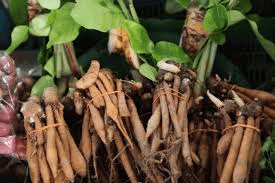
Beyond the home kitchen, celery holds immense potential for commercial processing. It can be turned into animal feed, utilized for starch production, and even distilled for oil and ethanol. This speaks to the versatility of celery, enhancing its value not just for households but for the economy at large.
From a nutritional perspective, celery is a treasure trove of benefits, packed with vitamins and minerals crucial for health. It supports community well-being, addressing food security challenges while ensuring families have access to nourishing meals. Its inclusion in diets helps combat nutritional deficiencies, making it essential for sustaining healthy lives.
The role of celery in the economy of Sao Tome and Principe is noteworthy, with potential yields for well-managed smallholder farms varying significantly. A healthy and well-cared-for celery crop can yield impressive returns, making celery a valuable asset for those who invest their efforts wisely in farming practices. Understanding and nurturing this potential is vital for community prosperity.
Celery thrives under specific climatic conditions, favoring regions that receive consistent rainfall throughout its growing season. This understanding of the climate helps farmers align their planting schedules, maximizing growth potential. Weather patterns that support celery cultivation contribute to successful harvests that can support local markets and families.
🔧 Free Farm Tool Available: Use our free Agric4Profits Farm Tools to calculate your farm profits, formulate feeds, identify pests and diseases on both your crops and animal farms, plan your planting and harvesting season, including many more farm tasks to get free expert advice and recommendations — completely free, no registration required. Access Free Tools →
Price dynamics for celery often reflect seasonal trends in the farming cycle. During peak harvest times, prices may dip when supply is abundant. Conversely, prices tend to rise as seasons change, creating opportunities for farmers who plan their sales strategically.
The market for celery in Sao Tome and Principe extends to local markets, restaurants, and larger distributors. Understanding this market chain can empower farmers to position themselves strategically, ensuring they benefit fairly from their produce. Building relationships within this chain promotes better prices and ensures celery reaches consumers who appreciate its quality.
One common mistake many smallholder celery farmers make is underestimating the importance of proper land preparation. Whether due to tradition or oversight, neglecting quality land prep can lead to reduced yields and poor crop health. Focusing on soil quality and preparation pays dividends in the long run, enabling fewer challenges in the growing season.
Many challenges face celery farmers, from pest management to unpredictable weather. Learning and adapting from each season’s trials strengthens their resolve and fortifies their plans for the future. Being aware of these challenges fosters a community of support, where sharing knowledge can lead to better farming outcomes.
Farmers are encouraged to seek support from local agricultural extension offices and cooperatives. These resources can offer guidance and assistance tailored to the specific challenges faced in celery farming. Engaging with these supports helps cultivate resilience and success in smallholder farming.
💬 Have a Farming Question? Join thousands of farmers across Africa on the Agric4Profits Community — ask questions, share experiences and connect with agricultural experts. It is completely free. Ask Your Question Now →
The Real Costs of Celery Farming in Sao Tome and Principe
Every Celery farming season begins with costs before a single income arrives. This is the reality of farming and it is not something to be afraid of. But it is something every farmer needs to understand clearly so that when the harvest comes, you know exactly how much you need to cover before you start making profit.
Here is what a typical Celery farming season in Sao Tome and Principe involves in terms of spending. Every cost depends on your own situation, your land and your methods.
| 1 | Seedlings, whether raised in a nursery or sourced from nearby farms | Investing in healthy seedlings is essential for starting your celery farm. Many farmers choose to grow their seedlings from locally available stock, while others purchase them to ensure quality. The initial quality directly influences future yields, making this a vital first step. |
| 2 | Soil preparation, whether done with traditional methods or modern techniques | Good soil preparation is the backbone of celery farming. Some farmers incorporate organic matter using traditional practices, while others might opt for mechanical means. Regardless of approach, ensuring rich, well-tilled soil significantly affects growth and yield. |
| 3 | Fertilizer, whether organic compost from home or purchased synthetic options | Choosing the right fertilizer can optimize your crop's growth. Many farmers benefit from using their own compost, enhancing soil health naturally, while others purchase fertilizers for quicker results. Understanding your soil's needs plays a key role in deciding what to use. |
| 4 | Water supply, whether drawn from a borehole, river, or rainwater collection | A reliable water source is critical for celery's growth. Depending on local resources, farmers either utilize boreholes or harvest rainwater for irrigation. Consistent access to water ensures plants grow strong and healthy, leading to better yields. |
| 5 | Pest management, whether done through organic methods or commercial pesticides | Managing pests is essential to protect your celery crop. Some farmers prefer organic pest control methods that align with traditional practices, while others may utilize commercial options. Knowing your pest pressure helps determine the best approach for your farm. |
| 6 | Labor, whether villagers working together or hired help | Labor costs can vary significantly based on how you approach farming. Some communities gather to support each other, reducing costs, while others might need to hire professionals. Managing labor effectively can save resources and strengthen community ties. |
| 7 | Transportation, whether using local markets or organized transport services | Transport is a key cost that affects how effectively you get your celery to market. Some farmers transport their goods directly to local markets themselves, while others may depend on commercial transport solutions. Understanding the best method increases your market access. |
| 8 | Storage, whether using traditional methods or modern cooling techniques | Storage methods can extend the shelf life of your celery. Farmers often rely on traditional storage practices; however, some may invest in modern cooling solutions. Choosing the right approach helps prevent losses and ensures better quality when selling. |
Every item in that table depends on your own specific situation. A farmer who saves Celery from their last harvest and uses compost they made themselves from farm waste spends very differently from a farmer who purchases every input. The Crop Production Calculator works equally well for both. You enter what you actually spent and you get your own real result based on your own real farm.
What the Crop Production Calculator Does for Your Celery Farm
The Agric4Profits Crop Production Calculator is a free tool built specifically for African farmers. You put in your numbers and it gives you your result immediately. No waiting. No interpretation needed. Just clear honest numbers that show you exactly where your Celery farm stands financially.
Here is what the tool shows you:
- The total production cost calculated provides clear insights into what it takes to grow celery efficiently, enabling better financial planning.
- The estimated yield projections help in understanding potential outputs, guiding decisions about scaling production or investing in additional resources.
- The break-even analysis offers crucial information on how much celery needs to be sold to cover costs, aiding in setting realistic sales targets.
- The profitability forecast indicates expected earnings, empowering farmers to assess whether current practices are sustainable in the long run.
- The cost per unit helps you understand how efficiently resources are being utilized, enabling adjustments for better planning in future seasons.
- The revenue projections based on market prices allow farmers to make informed decisions about when to sell and to whom, maximizing returns.
- The comprehensive summary of costs, inputs, and expected returns acts as a guiding compass for future planting and farming efforts, instilling confidence in the farming process.
That break-even figure is the one that surprises most farmers the most. Many smallholder farmers sell their harvest without this number and as a result find themselves negotiating without a clear bottom line. Once you know your break-even point you know the minimum price you can accept and the minimum quantity you need to sell. That knowledge alone changes everything about how you approach the market.
How to Use the Crop Production Calculator for Your Celery Farm
You do not need to register. You do not need to download anything. It works right here on your phone or computer.
A. What You Enter
- Your crop type
- Your farm size in hectares or acres
- Your country
- Your expected yield per hectare
- Your selling price per unit
- All your input costs including seeds, labour, and land preparation
- The number of seasons you farm per year
B. What You Do
- Select your crop type
- Enter your farm size and expected yield
- Enter all your input costs
- Click Calculate
C. What You Will See
- Your total revenue per season
- Your total input cost
- Your net profit per season
- Your profit per hectare
- Your annual profit across all seasons
- Your return on investment as a percentage
- Your cost of production per tonne
Use the Crop Production Calculator Right Here (It Is Free)
The Agric4Profits Crop Production Calculator is below. Enter your real Celery farming figures and see your result right now on this page.
⚙ Agric4Profits Crop Production Calculator
What the Tool Will Show You
At typical market prices a well managed Celery farm can generate significant profit depending on your location and season. Enter your actual costs and expected yield into the calculator above to see your exact production figures, your profit per hectare and your overall return on investment.
📖 Want to Go Deeper on This Topic?
Our expert agricultural ebooks cover poultry, fish farming, different crops production, snail farming, organic farming, mushrooms, sheep, cattle, flowers, pig farming, goat farming, agribusiness, etc. in practical step-by-step detail — written by agricultural professionals for African farmers.
As many celery farmers in Sao Tome and Principe first engage with the Crop Production Calculator, they often discover that their yields and profits are better than they thought. Others, however, may find that concentrating on a few adjustments in their cost management could lead to notable benefits for their farming operations. Either way, knowing your real numbers puts you in a position of strength. You stop guessing and start deciding.
Practical Tips for Celery Farmers in Sao Tome and Principe
1. Prioritize soil health: Celery grows best in nutrient-rich soil, making it essential to focus on organic matter and regular soil tests. Neglecting soil health can reduce yields and compromise crop quality over time. A farmer who invests in nurturing soil will find healthier plants, ensuring better growth and returns.
2. Water management is key: Consistent watering practices are crucial for celery's development, as irregular watering can lead to stress and poor growth. Farmers who understand the water needs of their crops will cultivate stronger celery, while those who do not might face disappointing yields. Setting up proper irrigation systems can pay off significantly.
3. Employ crop rotation: Rotating celery with other crops improves soil fertility and reduces pest issues. Many farmers who embrace this method find that their overall yield improves over time. Those who stick to mono-cropping risk depleting soil nutrients and increasing pest pressure.
4. Keep a close eye on pests: Regular monitoring for pests is essential in preserving your celery crop. Farmers who integrate proactive pest management will see healthier plants and higher yields. Ignoring the signs can lead to uncontrolled infestations and significant losses.
5. Harvest at the right time: Celery is best harvested when it reaches peak maturity, as this optimizes flavor and market value. Farmers who rush the harvest risk lower quality and reduced income. Taking the time to harvest thoughtfully not only enhances returns but also builds a reputable market presence.
6. Utilize the Crop Production Calculator effectively: Regularly updating your inputs in the calculator ensures accurate cost projections for the season. Farmers who do this gain clearer insights into their financial planning, enabling more strategic decisions. Neglecting this resource can lead to miscalculations that hurt profits.
7. Analyze your market opportunities: Understanding market dynamics helps farmers time their sales better, boosting profitability. Those who actively assess supply and demand will maximize their earnings, whereas those who do not might sell at lower prices. Using data from the Crop Production Calculator can guide optimal sales strategies.
8. Engage with fellow farmers: Sharing experiences and insights within your community can lead to better farming practices. Farmers who encourage open dialogue can adapt innovative strategies to enhance their results. In contrast, isolating oneself restricts growth and limits learning opportunities.
9. Monitor your expenses closely: Keeping track of every cost helps identify where savings can be made. Farmers who diligently monitor costs can discover opportunities for efficiency, leading to healthier profit margins. Those who overlook expenses might find themselves operating at a loss.
10. Invest in continuous learning: Staying informed about advances in celery farming, whether through workshops or online resources, can enhance your skills. Farmers invested in their education will adapt more readily to changing challenges. Inactivity or resistance to learning can keep production stagnant, affecting profitability.
Frequently Asked Questions on Crop Production Calculator for Celery Farming in Sao Tome and Principe
1. What is the best soil type for celery farming?
Celery thrives in loamy, well-drained soils rich in organic matter. Farmers should focus on ensuring that the soil retains moisture while still allowing for good drainage. Regular soil testing can guide amendments that improve fertility.
2. How often should I water my celery?
Celery requires consistent, adequate moisture to develop properly. It’s important to water regularly, avoiding both drought stress and waterlogging. Farmers should monitor weather conditions and adjust irrigation practices accordingly.
3. What are the most common pests affecting celery?
Pests such as aphids and cutworms are common threats to celery crops. Regular monitoring and integrated pest management strategies can reduce the risks these pests pose. Understanding their life cycles helps farmers take timely action against infestations.
4. When is the best time to plant celery?
Planting celery aligns with the rainy seasons that provide sufficient moisture for establishment. Farmers should plan planting around these key times to maximize growth potential. Observing local weather patterns can guide the best planting schedule.
5. How can I improve my celery yield?
Improving yield comes from a combination of good practices, including crop rotation, proper fertilization, and effective pest control. Farmers who commit to these practices often see better results. Regular evaluations of farming techniques can uncover areas for improvement.
6. What information does the Crop Production Calculator provide?
The calculator calculates costs, potential yields, and profitability forecasts, which are essential for effective farming planning. It empowers farmers to make informed decisions to enhance yields and profitability. Understanding this information can help streamline farming efforts and resources.
7. How can I use the calculator to predict my costs?
By inputting all farming expenses, including labor, water, and equipment, the calculator will provide a total cost overview. This analysis helps in managing finances and can guide future farming strategies. Keeping costs in check is vital for sustainable farming.
8. Is it user-friendly for new farmers?
The Crop Production Calculator is designed to be accessible for all, including new farmers. Clear instructions and relevant inputs facilitate ease of use and engagement. Familiarizing oneself with the tool can lead to meaningful insights for new farmers.
9. Does the calculator account for market prices?
Yes, the calculator allows farmers to input current market prices, helping them gauge potential revenue. Understanding price trends is crucial for making informed selling decisions. Keeping track of these trends enhances profitability.
10. How often should I update the calculator data?
It’s best to update the calculator regularly, ideally with each planting cycle or whenever there are significant changes in costs. This practice ensures accurate projections and better financial planning. Consistent utilization of the calculator promotes informed decision-making, boosting overall farm management.
Knowing your profit from your Celery farm is powerful. But profit from one season is just the beginning. The farmers who truly grow their farms over time are the ones who move from knowing their numbers to building a complete plan around those numbers. A plan that covers not just this season but the next three years.
Building that plan does not require a university education or an expensive consultant. It requires a structured approach that takes you through every important question one step at a time. The Agric4Profits FarmSmart Business Planner was built to answer every one of those questions for any farmer across Africa, in any of the 54 African countries, in a way that any farmer can follow and any bank or investor can read.
Once you understand your production costs and yield for Celery farming, the next step is putting it all into a complete farm business plan. The Agric4Profits FarmSmart Business Planner guides you through your full farm plan in six steps, from budget and recommendation to cost breakdown, revenue projection and market strategy. Steps 1 to 5 are completely free. Your complete bankable business plan is available with a Pro membership.
Other Free Farming Tools Available on Agric4Profits
Agric4Profits offers 23 free professional farming tools covering every aspect of African agriculture. Here are all the other tools available to you completely free.
- Farm Profit Calculator: Calculate your exact farm profit, return on investment and break-even point in your local African currency.
- Feed Formulation Calculator: Formulate the most cost-effective feed for your livestock and fish using locally available ingredients.
- Animal Production Calculator: Track and analyse your animal production performance against African farming benchmarks.
- Farm Finance Calculator: Plan your farm cash flow, loan repayments and complete financial projections before you invest.
- Planting and Harvest Calendar: Find the best planting window and expected harvest dates for any crop in any African country.
- Pest and Disease Identifier: Identify what is attacking your crops or animals and get organic treatment recommendations immediately.
- Processing Storage and Value Addition Analyzer: Find out whether processing your harvest increases your profit and by exactly how much.
- Market Price Tracker: Compare prices at different markets and find the most profitable destination for your harvest.
- Soil and Fertility Guide: Diagnose your soil deficiencies and get organic amendment recommendations for your specific crops.
- Processing Yield Calculator: Calculate your exact processing yield and true cost per kilogram for any farm produce.
- Storage and Loss Calculator: Find out how much you are losing in storage and how much you would save by improving your storage method.
- Market Access and Transport Tool: Calculate your true net profit after transport costs and find the most profitable market to sell at.
- Farm Land Measurement and Unit Converter: Convert any land measurement unit used across Africa instantly into every other unit.
- Livestock Vaccination and Treatment Scheduler: Generate a complete vaccination and treatment calendar for your livestock with every date and dosage.
- Livestock Weight Estimator: Estimate the live weight, carcass weight and selling value of your livestock before going to market.
- Crop Spacing and Seed Rate Calculator: Calculate exactly how many seeds or seedlings you need for your farm size and preferred spacing.
- Irrigation and Water Management Calculator: Calculate your daily water requirement and full irrigation schedule for any crop and farm size.
- Fish Pond Design Calculator: Design your fish pond and calculate your full production plan, expected harvest and profit projection.
- Composting and Organic Input Calculator: Build your optimised compost recipe from materials available on your own farm and calculate the application rate.
- Farm Record Keeping Template Generator: Generate a complete customised record keeping system for your specific farm type and categories.
- Women in Agriculture Free Consultancy: Get a personalised farming action plan and expert guidance completely free for women farmers across Africa.
- FarmSmart Business Planner: Build your complete farm business plan in six steps covering budget, costs, revenue, market strategy and your bankable plan.



.png)
