
 4 months ago
80

.jpeg)
.png)
Press play to listen to this article
Voice
If you grow Lemon and Lime in Equatorial Guinea and you want to know exactly what you are making from your farm, you are in the right place. The free Agric4Profits Farm Profit Calculator is right here on this page. No registration. No download. Just your real numbers.
After your last harvest, after you sold your bags, after you settled your workers and took care of every expense, did you sit down and calculate what you actually made from your Lemon and Lime farm in Equatorial Guinea? Or did you count what was left in your hand and tell yourself it was a good season?
Most smallholder Lemon and Lime farmers in rural Equatorial Guinea, those farming on a few plots or a hectare or two without access to formal farm management support, hardly sit down to calculate their real profit. Not because they are careless. But because farming is demanding work that leaves little time for paperwork, and because accessible tools built specifically for African smallholder farmers have been hard to come by.
That is exactly what this free Farm Profit Calculator is for. It does not matter how you farm, what methods you use, or how big your land is. This tool was built for Lemon and Lime farmers in Equatorial Guinea who want real answers based on their own real situation. And it will show you things about your farm that will change how you plan every season that follows.
Lemon and Lime Farming in Equatorial Guinea
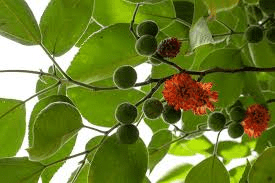
Lemon and Lime farming in Equatorial Guinea is more than just an agricultural activity; it is a lifeline for many families. Widows tending to their small plots find pride in their ability to provide for their children and send them to school. This farming practice builds community bonds, as neighbors share tips and resources, ensuring everyone flourishes. The colorful fruits signify hope and sustenance, contributing not just to the household budget but to a way of life that celebrates resilience.
In many kitchens across Equatorial Guinea, the zest and juice of lemons and limes bring a burst of flavor to traditional dishes like 'sopa de limão' and 'kwanga,' adding aromatics that elevate every meal. Refreshing beverages such as 'mojito de limón,' a drink celebrated during gatherings, honor these fruits in joyous ways. The cherished taste of lime in assorted local delicacies and drinks showcases their role in cultural identity. These fruits represent gathering moments, where recipes are passed down alongside stories.
🌿 Go Organic on Your Farm: Instead of harmful chemical pesticides and fertilisers, try our organic farming products — including neem oil spray, bio-pesticides, natural plant treatments, organic seeds and seedlings, suckers, and many more organic products that are safe for your health, your family, your soil and your harvest. Shop Now →
Beyond the table, lemons and limes open pathways for processing possibilities, such as producing essential oils and citric acid used in food preservation. The value chain stretches further into creating animal feed and nutritional supplements, thus enhancing agricultural diversity. Many smallholder farmers find there is additional income to be made from zest and juice extraction, which adds another layer of opportunity. Such ventures strengthen communities and drive the local economy.
These fruits are a treasure trove of nutrition, rich in vitamin C and antioxidants that nourish our bodies and support overall food security. Consuming lemons and limes contributes to healthier diets, especially for children who benefit from the immunity boost. In such a way, they not only nourish the body but also strengthen communities’ collective health resilience. When families prioritize these fruits in their diets, they gather strength for daily life challenges.
The economic importance of lemon and lime cannot be understated, as well-managed farms can yield between twenty to thirty tons per hectare. Such yields translate into meaningful contributions for families looking to improve their living standards. For many smallholder farmers, this crop provides a dependable source of income that supports not just immediate needs but also children’s education and health. Engaging in this farming practice allows families to dream of greater opportunities.
Equatorial Guinea's favorable climate, with annual rainfall ranging from one thousand to one thousand five hundred millimeters, supports the successful cultivation of lemons and limes. The growing season coincides with the rains, creating ideal conditions for these fruits to thrive. Understanding this climate is essential for farmers to maximize their output. Harnessing the natural elements for cultivation is a skill nurtured over generations.
🔧 Free Farm Tool Available: Use our free Agric4Profits Farm Tools to calculate your farm profits, formulate feeds, identify pests and diseases on both your crops and animal farms, plan your planting and harvesting season, including many more farm tasks to get free expert advice and recommendations — completely free, no registration required. Access Free Tools →
Prices for lemons and limes are fluid throughout the farming year, with a rise often seen at harvest time when fresh produce is in abundance. Conversely, during dry spells or off-season periods, prices may dip as supply tightens. Farmers who monitor these trends closely can plan their sales strategically to optimize profits. Such awareness empowers them to manage their resources more effectively.
The market chain for lemons and limes often includes local traders, processors, and direct sales to consumers. Many smallholder farmers can position themselves better by establishing connections with local cooperatives or forming partnerships with businesses looking for fresh produce. This connection not only provides better market insight but also ensures fair pricing. Collaborating broadly creates a support network that uplifts all involved.
A common costly mistake made by lemon and lime farmers is underestimating the need for proper soil management. Farmers who neglect soil health often face dwindling yields and increased production costs over time. Those who invest in organic matter and maintain soil nutrition see their yields improve season after season. It reminds us to honor the land that nurtures us.
Challenges faced by many lemon and lime farmers often span from fluctuating weather patterns to pest pressures. Crop diseases can devastate yields, and much needs to be done to educate farmers on pest management. Additionally, access to quality seedlings and resources can limit production capabilities. Recognizing these challenges fosters a spirit of collaboration and innovation to overcome them.
Seeking support through local agricultural extension offices and cooperatives can dramatically enhance farming practices. These resources often provide valuable training, access to improved materials, and connections to the larger agricultural community. Building relationships with local agricultural experts can empower farmers to make informed decisions. Such support leads to stronger, more productive farms.
💬 Have a Farming Question? Join thousands of farmers across Africa on the Agric4Profits Community — ask questions, share experiences and connect with agricultural experts. It is completely free. Ask Your Question Now →
The Real Costs of Lemon and Lime Farming in Equatorial Guinea
Every Lemon and Lime farming season begins with costs before a single income arrives. This is the reality of farming and it is not something to be afraid of. But it is something every farmer needs to understand clearly so that when the harvest comes, you know exactly how much you need to cover before you start making profit.
Here is what a typical Lemon and Lime farming season in Equatorial Guinea involves in terms of spending. Every cost depends on your own situation, your land and your methods.
| 1 | Cuttings, whether sourced from your healthiest plants or purchased from local farmers | Using cuttings from your best plants can reduce costs significantly, as they are often stronger and better adapted to your farm's conditions. Purchasing cuttings remains an option but usually comes at a higher expense. Careful selection ensures you start your planting journey on the right foot. |
| 2 | Fertilizer, whether homemade compost or commercial blends | Creating compost from farm waste can significantly lower costs, while purchasing fertilizers offers speed and convenience. Knowing your soil and what it needs makes a big difference in yields. Farmers who take the time to understand nutrient needs will see their crops flourish. |
| 3 | Water supply, whether from rainwater harvesting or boreholes | Rainwater harvesting is a sustainable practice that can help reduce the cost of irrigation, while boreholes provide a more constant water source. Each method has its advantages, depending on your farm's setup. Making the best choice ensures you don’t risk crop health during dry spells. |
| 4 | Pest control, whether natural remedies or purchased pesticides | Utilizing natural pest control methods can save money and promote environmental health, while purchased pesticides often offer quicker results. Farmers who understand the best timing and methods for pest management see improved crop health. Balancing these approaches leads to a resilient farming system. |
| 5 | Harvesting tools, whether handmade or bought | Using handmade tools often cultivates a strong connection to your farming practice and lowers costs, while purchased options can be more efficient. The right tools make all the difference during harvest, ensuring you gather every precious fruit. Farmers should choose tools that fit their specific needs. |
| 6 | Labor, whether from family help or hired hands | Engaging family volunteers can often provide labor at a lower cost, but hiring skilled workers ensures quality tasks are completed. Balancing family and hired labor depending on needs drives efficiency. The right workforce is essential for timely farming operations. |
| 7 | Transportation, whether informal local arrangements or hired vehicles | Leveraging local transport options may help save costs while hiring vehicles offers convenience and speed for larger quantities. Ensuring fresh products reach market quickly is vital for achieving the best prices. Building a reliable transport plan helps you maximize your earnings. |
| 8 | Marketing, whether personal networking or using market platforms | Building personal networks can provide direct access to buyers and often leads to better prices, while market platforms can reach larger audiences. Diversifying your marketing strategies ensures consistent sales throughout the year. Farmers should engage actively to understand market dynamics better. |
Every item in that table depends on your own specific situation. A farmer who saves Lemon and Lime from their last harvest and uses compost they made themselves from farm waste spends very differently from a farmer who purchases every input. The Farm Profit Calculator works equally well for both. You enter what you actually spent and you get your own real result based on your own real farm.
What the Farm Profit Calculator Does for Your Lemon and Lime Farm
The Agric4Profits Farm Profit Calculator is a free tool built specifically for African farmers. You put in your numbers and it gives you your result immediately. No waiting. No interpretation needed. Just clear honest numbers that show you exactly where your Lemon and Lime farm stands financially.
Here is what the tool shows you:
- The total production cost calculated reveals how much you’ve put into your lemon and lime farming. This figure is crucial as it helps you understand whether you are operating at a loss or profit.
- The expected yield output shows the volume of lemons and limes you might harvest in a season. Understanding your yield allows you to plan your selling strategy better and manage your resources accordingly.
- The profit margin calculated indicates how much you stand to earn after covering your costs. This insight is vital for deciding new investments or potential expansions in your farming practices.
- The break-even point estimate tells you how many lemons and limes you need to sell to cover your costs. Knowing this enables you to set practical sales targets throughout the year.
- The cost per unit metric shows precisely what it costs to produce each lemon or lime. This number is instrumental in determining fair pricing without undervaluing your work.
- The potential gross profit projection helps you visualize the financial success of your farming endeavors. This understanding encourages you to remain focused and motivated in your farming journey.
- The cash flow analysis illustrates the movement of income and expenses over time. Having visibility on cash flow ensures you make informed decisions and respond promptly to financial challenges.
That break-even figure is the one that surprises most farmers the most. Many smallholder farmers sell their harvest without this number and as a result find themselves negotiating without a clear bottom line. Once you know your break-even point you know the minimum price you can accept and the minimum quantity you need to sell. That knowledge alone changes everything about how you approach the market.
How to Use the Farm Profit Calculator for Your Lemon and Lime Farm
You do not need to register. You do not need to download anything. It works right here on your phone or computer.
A. What You Enter
- Your farm type (crop, animal, or fish)
- Your country (currency sets automatically)
- Your total production cost for the cycle
- Your revenue per unit sold
- The number of units you produced
- Your mortality or loss percentage
- The number of production cycles you farm per year
B. What You Do
- Select your farm type from the dropdown
- Select your country from the list
- Enter all your cost and revenue figures carefully
- Click Calculate
C. What You Will See
- Your total revenue per cycle
- Your total cost per cycle
- Your net profit per cycle
- Your annual profit
- Your return on investment as a percentage
- Your cost per unit produced
- The exact number of units you need to sell to break even
Use the Farm Profit Calculator Right Here (It Is Free)
The Agric4Profits Farm Profit Calculator is below. Enter your real Lemon and Lime farming figures and see your result right now on this page.
⚙ Agric4Profits Farm Profit Calculator
What the Tool Will Show You
At typical market prices a well managed Lemon and Lime farm can generate significant profit depending on your location, your season and your management. Enter your current total costs and your current local selling price into the calculator above to see your exact net profit, your return on investment as a percentage, and the precise number of units you need to sell before making any profit at all.
📖 Want to Go Deeper on This Topic?
Our expert agricultural ebooks cover poultry, fish farming, different crops production, snail farming, organic farming, mushrooms, sheep, cattle, flowers, pig farming, goat farming, agribusiness, etc. in practical step-by-step detail — written by agricultural professionals for African farmers.
Many lemon and lime farmers in Equatorial Guinea are often surprised to learn they are faring better financially than they initially believed, thanks to insights into their cost structures. Conversely, some discover areas where a small adjustment could lead to significant improvements in their profits, allowing them to enhance their farming practices. Either way, knowing your real numbers puts you in a position of strength. You stop guessing and start deciding.
Practical Tips for Lemon and Lime Farmers in Equatorial Guinea
1. Nurture your soil health: Healthy soil is the foundation of any productive lemon and lime farm. Regularly returning organic matter through compost helps maintain soil nutrients while reducing dependence on overpriced fertilizers. A farmer who focuses on building soil health will see consistent yields, while neglecting it could lead to declining productivity over time.
2. Invest in crop rotation: Integrating other crops into your farming system can improve soil fertility and disrupt pest cycles. Farmers who practice crop rotation often enjoy enhanced yields and a reduced need for chemical interventions. A simple change in planting strategy can rejuvenate your lemon and lime production.
3. Monitor pest populations: Keeping a keen eye on pest populations can prevent infestations before they become an issue. Implementing integrated pest management strategies allows farmers to deal with pests naturally without incurring high costs. Thus, proactive monitoring can save resources and ensure healthier crops.
4. Time your harvest wisely: Knowing the ideal time to harvest can significantly affect both quantity and quality of your yield. Harvesting at the right moment ensures you maximize your cash return at market. Farmers who fail to monitor maturity risk losing profits through lower quality fruit.
5. Take part in cooperative efforts: Joining forces with fellow lemon and lime farmers can create a powerful support network. These collaborations can lead to shared resources, collective marketing strategies, and better negotiation power in sales. Working together amplifies individual strengths, uplifting each farmer in the community.
6. Utilize the Farm Profit Calculator to track your progress: Regularly assessing your production costs and incomes with the calculator provides clarity on your financial standing. This ongoing evaluation helps you adapt your practices for better profitability. A farmer who neglects tracking may struggle to identify areas for improvement.
7. Plan your sales according to market demands: Understanding consumer trends and preferences is essential for maximizing your earnings. Using the insights from the calculator, you can time your sales to take advantage of peak market periods. This foresight can significantly enhance your profit margins.
8. Embrace technology: Incorporating technology in tracking your yields and expenses can streamline your record-keeping process. Farmers who adapt to new technologies enjoy better insights into their operations, leading to informed decision-making. In a rapidly changing market, embracing innovation is key to staying competitive.
9. Engage in continuous learning: Staying abreast of best practices and innovations in lemon and lime farming enhances your productivity. Participating in workshops or local farmer networks deepens your knowledge and broadens your skill set. A commitment to learning empowers you to make informed decisions for the betterment of your farm.
10. Set realistic goals: Establishing achievable financial goals allows you to plan effectively and monitor your progress. These goals can provide motivation and direction for your efforts, leading to a more organized approach to farming. Farmers without clear goals may find themselves drifting without a defined path.
Frequently Asked Questions on Farm Profit Calculator for Lemon and Lime Farming in Equatorial Guinea
1. What are the best practices for lemon and lime farming?
Good practices include nurturing soil health, managing water supply wisely, and monitoring pest populations regularly. Incorporating organic fertilizers and practicing crop rotation can also significantly enhance yields. Building a network with other farmers can provide valuable insights and shared experiences.
2. How can I improve my yield?
Improving yields often involves focusing on soil health, ensuring timely irrigation, and understanding the pest control methods. Investing in better planting techniques, such as using quality cuttings, can also greatly impact your results. Implementing these approaches gradually will lead to substantial improvements in production.
3. When is the best time to harvest lemons and limes?
The best time to harvest is when the fruits are fully mature, allowing them to develop the optimum sweetness and acidity. Keeping track of your crop's growth can help you determine the ideal harvest window. Harvesting too early can impact quality, while waiting too long may lead to loss.
4. What is the shelf life of lemons and limes?
Generally, lemons and limes can last several weeks when stored properly, at cooler temperatures and away from direct sunlight. Using appropriate packaging during transport also helps maintain their freshness. Farmers should plan for timely sales to maximize profits and minimize spoilage.
5. How do I know if I am making a profit?
Using tools like the Farm Profit Calculator can provide detailed insights into your income and expenses. By tracking costs, yield, and sales data, you can assess whether you are achieving profitability. An honest analysis of your farming practices will inform smarter financial decisions.
6. What features does the Farm Profit Calculator offer?
The Farm Profit Calculator allows you to evaluate total production costs, profit margins, and expected yields. Its detailed analyses guide better decision-making by laying out your income and expenses clearly. This understanding helps you craft strategies for success.
7. How do I utilize the calculator effectively?
To utilize the calculator effectively, input all relevant costs and your estimated yields. Regular updates based on actual data will keep your analysis accurate and useful. This practice will lead to improved financial insights over time.
8. Is the Farm Profit Calculator user-friendly?
Yes, the calculator is designed to be straightforward, making it accessible for all farmers, regardless of technical expertise. Its intuitive layout helps you navigate through inputs and understand the outputs easily. A user-friendly tool encourages consistent use in your farming routine.
9. Can the calculator help me with long-term planning?
Absolutely, the calculator aids in developing long-term financial strategies by forecasting potential yields and costs. This information supports goal-setting and helps ensure sustainable farming growth. When farmers plan using accurate data, they are more likely to achieve success.
10. What if my results show a loss?
If your results indicate a loss, it is essential to conduct a thorough review of your costs and yield inputs. Identifying areas for improvement can guide you in adjusting your farming practices effectively. Remember, each setback is a learning opportunity that can lead to better practices toward future success.
Knowing your profit from your Lemon and Lime farm is powerful. But profit from one season is just the beginning. The farmers who truly grow their farms over time are the ones who move from knowing their numbers to building a complete plan around those numbers. A plan that covers not just this season but the next three years.
Building that plan does not require a university education or an expensive consultant. It requires a structured approach that takes you through every important question one step at a time. The Agric4Profits FarmSmart Business Planner was built to answer every one of those questions for any farmer across Africa, in any of the 54 African countries, in a way that any farmer can follow and any bank or investor can read.
Once you know your profit from Lemon and Lime farming, the next step is building a complete farm business plan. The Agric4Profits FarmSmart Business Planner guides you through your full farm plan in six steps, from budget and recommendation to cost breakdown, revenue projection and market strategy. Steps 1 to 5 are completely free. Your complete bankable business plan is available with a Pro membership.
Other Free Farming Tools Available on Agric4Profits
Agric4Profits offers 23 free professional farming tools covering every aspect of African agriculture. Here are all the other tools available to you completely free.
- Feed Formulation Calculator: Formulate the most cost-effective feed for your livestock and fish using locally available ingredients.
- Animal Production Calculator: Track and analyse your animal production performance against African farming benchmarks.
- Crop Production Calculator: Calculate your full crop production costs, yield estimates and profit per hectare.
- Farm Finance Calculator: Plan your farm cash flow, loan repayments and complete financial projections before you invest.
- Planting and Harvest Calendar: Find the best planting window and expected harvest dates for any crop in any African country.
- Pest and Disease Identifier: Identify what is attacking your crops or animals and get organic treatment recommendations immediately.
- Processing Storage and Value Addition Analyzer: Find out whether processing your harvest increases your profit and by exactly how much.
- Market Price Tracker: Compare prices at different markets and find the most profitable destination for your harvest.
- Soil and Fertility Guide: Diagnose your soil deficiencies and get organic amendment recommendations for your specific crops.
- Processing Yield Calculator: Calculate your exact processing yield and true cost per kilogram for any farm produce.
- Storage and Loss Calculator: Find out how much you are losing in storage and how much you would save by improving your storage method.
- Market Access and Transport Tool: Calculate your true net profit after transport costs and find the most profitable market to sell at.
- Farm Land Measurement and Unit Converter: Convert any land measurement unit used across Africa instantly into every other unit.
- Livestock Vaccination and Treatment Scheduler: Generate a complete vaccination and treatment calendar for your livestock with every date and dosage.
- Livestock Weight Estimator: Estimate the live weight, carcass weight and selling value of your livestock before going to market.
- Crop Spacing and Seed Rate Calculator: Calculate exactly how many seeds or seedlings you need for your farm size and preferred spacing.
- Irrigation and Water Management Calculator: Calculate your daily water requirement and full irrigation schedule for any crop and farm size.
- Fish Pond Design Calculator: Design your fish pond and calculate your full production plan, expected harvest and profit projection.
- Composting and Organic Input Calculator: Build your optimised compost recipe from materials available on your own farm and calculate the application rate.
- Farm Record Keeping Template Generator: Generate a complete customised record keeping system for your specific farm type and categories.
- Women in Agriculture Free Consultancy: Get a personalised farming action plan and expert guidance completely free for women farmers across Africa.
- FarmSmart Business Planner: Build your complete farm business plan in six steps covering budget, costs, revenue, market strategy and your bankable plan.

.png)
