
 1 year ago
286
1 year ago
286

.jpeg)
.png)
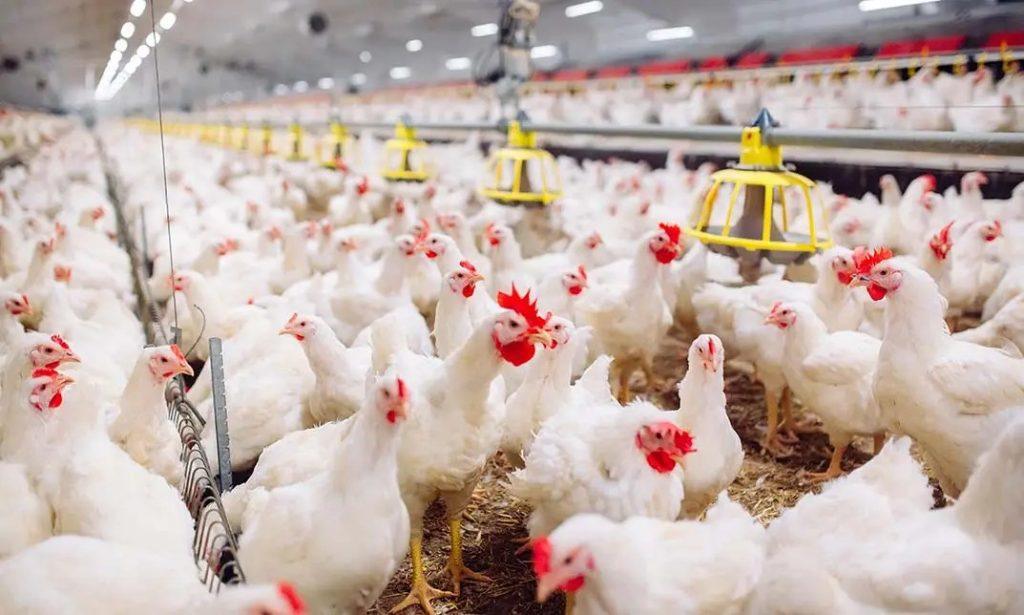
Broiler heat regulation is critical for maintaining poultry health and performance. High temperatures and humidity can stress broilers, leading to reduced efficiency, increased mortality, and lower profits. Proper management of water, ventilation, and housing conditions can mitigate these challenges effectively.
This article explores techniques to regulate heat in broiler houses, focusing on water management, temperature control, ventilation systems, and housing design. Each section provides actionable strategies to ensure optimal conditions for broilers during hot weather, enhancing their welfare and productivity.
Water Management for Heat Stress
Effective water management is essential for broilers during hot weather. As temperatures rise, broilers lose water through panting, necessitating increased water intake. Proper equipment and water quality maintenance are key to supporting their physiological needs.
A. Ensuring Adequate Water Supply
During hot weather, the water-to-feed ratio increases rapidly to compensate for water loss. Providing sufficient drinkers is critical.
1. Equipment Requirements: Use one drinker per 60 broilers, one nipple per 10 broilers, or 1 cm of water trough per broiler.
B. Maintaining Optimal Water Conditions
Water depth and pressure must be correct for drinkers and nipple systems. 1. Monitoring: Regularly check drinking time and quantity.
2. Temperature Control: Keep water below 27°C using underground water lines, insulated tanks, or chillers. Flush water lines 2-3 times hourly during extreme heat.
C. Enhancing Water Quality
To combat respiratory alkalosis, additives can be used.
1. Additives: Include potassium chloride (0.5 g/litre), sodium bicarbonate (0.5 g/litre), and vinegar (1 litre/1000 litres) in water. These help maintain electrolyte balance and support broiler health during heat stress.
Read Also: Pincushion Flowers (Scabiosa Spp): Complete Growing and Care Guide
Temperature Control in Broiler Houses

Controlling house temperature is vital for broiler welfare. Advanced techniques exist, but their use depends on economic feasibility. Open-sided houses and ventilation systems play significant roles in managing heat effectively.
A. Strategies for Open-Sided Houses
In non-insulated open-sided houses, heat management is challenging.
1. Density Reduction: Lower stocking density to improve air circulation.
2. Environmental Adjustments: Use trees and bushes to create a favorable microclimate and wet roofs to reduce house temperature.
B. Importance of Air Movement
Air movement aids in heat loss through conduction. Its effectiveness varies by broiler age and feather cover. Chicks under 4 weeks are more sensitive, and high temperatures reduce air movement benefits. Fans can enhance airspeed at bird level.
C. Cooling Techniques
Cooling systems like fogging and pad cooling are effective in hot climates.
1. Fogging Systems: Use high-pressure fogging (up to 120 bars) with small droplets (<10µ) and timed sequences (3-4 seconds/20 seconds).
2. Pad Cooling: Ideal for dry climates, it requires 1.5-2 m² of 10 cm thick pads per 10,000 m³/hour.
D. Managing Ventilation Capacity
Ventilation capacity depends on required airspeed. For example, a capacity of 40,000 m³/hour at 40 m² section achieves 0.33 m/sec airspeed, while 240,000 m³/hour achieves 1.98 m/sec. Always account for a 20% capacity reduction due to obstacles and wind.
Ventilation Systems for Heat Reduction
Ventilation systems are crucial for maintaining optimal airspeed and temperature. Tunnel ventilation and fan placement strategies ensure effective cooling, particularly in closed houses with insulated roofs.
A. Tunnel Ventilation Setup
Tunnel ventilated houses require closed curtains and at least 3 cm of polyurethane foam insulation.
1. Fan Placement: Use 40,000 m³/hour fans every 20 meters in 10-meter-wide houses.
2. Airspeed Calculation: Adjust ventilation capacity based on desired airspeed at bird level.
B. Risks of Excessive Airspeed
High airspeed can cause cooling, leading to enteritis in young chicks.
1. Safety Measures: Install a security system to stop fans at low temperatures.
2. Monitoring: Regularly assess fan extraction rates, considering obstacles and house length.
C. Water Cooling Efficiency
In hot, dry climates, water cooling enhances temperature reduction.
1. Humidity Impact: Low relative humidity improves evaporative capacity.
2. Limiting Values: At 34°C, 38% humidity is critical; at 28°C, 96% humidity risks suffocation due to reduced evaporation.
Read Also: Economic Importance, Uses, and By-Products of Mushroom Gills
Housing Design for Tropical Climates

Proper housing design in tropical climates enhances air movement and reduces heat stress. Orientation, materials, and surroundings significantly impact broiler house conditions.
A. Optimal House Orientation
Build houses in an east-west direction with the long axis across prevailing winds.
1. Location: Choose sites with continual air movement, like hills or plains.
2. Airflow: Ensure houses are high with open ridges for better ventilation.
B. Surrounding Environment
The environment around houses affects heat reflection.
1. Vegetation: Keep grass cut and use bushes or trees to block direct sunlight without impeding airflow.
2. Roof Design: Use reflective, insulated roofing and a 1-meter overhang to prevent sunlight entry.
C. Alternative Construction Methods
In some regions, elevated houses improve airflow.
1. Stilt Designs: Build on stilts with bamboo slat floors for enhanced ventilation.
2. Roof Maintenance: Paint traditional roofs with hydrated lime (9 kg per 18 liters of water) for heat reflection.
Frequently Asked Questions
1. Why is water management critical during hot weather?
Water compensates for losses from panting, maintaining hydration and electrolyte balance. Proper equipment and additives like potassium chloride ensure broilers remain healthy.
2. How does air movement help broilers?
Air movement aids heat loss through conduction, but its effectiveness depends on broiler age and temperature. Fans increase airspeed, improving comfort in hot conditions.
3. What is tunnel ventilation, and when is it used?
Tunnel ventilation involves closed houses with insulated roofs and fans to control airspeed. It’s ideal for hot climates, ensuring consistent cooling at bird level.
4. How does pad cooling work?
Pad cooling evaporates water over a large surface, cooling hot, dry incoming air. It requires clean pads and proper ventilation for maximum efficiency.
5. Why is house orientation important in tropical climates?
East-west orientation with the long axis across prevailing winds maximizes airflow, reducing heat stress. High roofs and open ridges further enhance ventilation.
6. What are the risks of excessive cooling?
Excessive cooling, especially in young chicks, can cause enteritis. Security systems to stop fans at low temperatures and careful monitoring prevent overcooling.
7. How can roof sprinklers help?
Roof sprinklers reduce house temperature by a few degrees. They require significant water and good drainage, with recycling possible using filters.
Do you have any questions, suggestions, or contributions? If so, please feel free to use the comment box below to share your thoughts. We also encourage you to kindly share this information with others who might benefit from it. Since we can’t reach everyone at once, we truly appreciate your help in spreading the word. Thank you so much for your support and for sharing!






.png)
