




= Origin and History
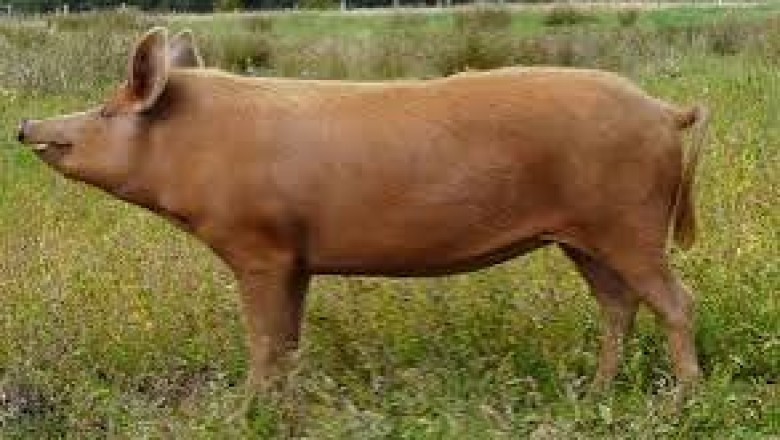
The **Tamworth pig** traces its roots back to the early 19th century in **Tamworth, Staffordshire, England**. Farmers bred local pigs with imported red pigs from Ireland, resulting in the distinct reddish coat that defines the breed today. Unlike other pigs that were heavily crossbred to meet industrial demands, the Tamworth has remained relatively unchanged, making it one of the most **genetically pure heritage breeds** still in existence.
Historically, Tamworths were valued for their ability to thrive outdoors, especially in **woodland or pasture-based systems**, where they foraged for acorns, roots, and vegetation. Their strong snouts and natural grazing behavior made them excellent at clearing land.
By the late 19th century, Tamworths were exported to the **United States, Canada, and Australia**, where they became part of heritage farming movements. However, with the rise of industrial pork production, the breed’s slower growth and leaner carcass made it less competitive, leading to its decline. Today, organizations like the **Rare Breeds Survival Trust (RBST)** and the **Livestock Conservancy** are actively working to preserve it.
---
= Physical Characteristics
The Tamworth is instantly recognizable thanks to its **red coat**, which can range from light ginger to deep auburn. This coloration helps protect against sunburn, making the breed suitable for outdoor rearing.
Key features include:
* **Size**: Medium to large breed. Mature boars weigh **600–800 pounds (270–360 kg)**, while sows average **500–600 pounds (225–270 kg)**.
* **Body**: Long, deep body with a straight back, strong legs, and fine bone structure.
* **Head**: Long, narrow head with erect ears.
* **Coat**: Coarse, red hair that provides good protection against the elements.
* **Snout**: Strong and elongated, ideal for rooting and foraging.
Unlike some lard-type breeds, Tamworths produce a **leaner carcass**, aligning with modern health-conscious preferences.
---
= Temperament and Behavior
Tamworth pigs are known for their **active and hardy nature**. Unlike docile breeds such as the Large Black, they are more energetic and require secure fencing, as their curiosity and foraging instincts can lead them to roam.
Traits include:
* **Excellent Foragers**: Sometimes called the "closest living relative to the old English forest pig," Tamworths excel in woodland and pasture systems.
* **Intelligent and Alert**: They adapt quickly to their environment but can be harder to manage if not accustomed to human interaction.
* **Good Mothers**: Sows are protective, nurturing, and produce enough milk for their piglets.
* **Vocal and Social**: Tamworths are communicative and thrive in groups, although they are more spirited than some breeds.
---
= Growth and Production
=# Growth Rate
Tamworths are **slower-growing** compared to modern commercial breeds like the Pietrain or Yorkshire. However, their efficiency lies in their ability to thrive on pasture with minimal concentrate feed.
* Market weight: Typically achieved at **7–9 months** (220–260 pounds or 100–120 kg).
* Slaughter weight: Can be adjusted depending on the market, but many are raised to **280–320 pounds** for pork and bacon.
=# Reproduction
* **Litter size**: Average **6–10 piglets** per litter—smaller than commercial breeds but consistent.
* **Mothering ability**: Strong protective instincts and adequate milk production.
* **Longevity**: Tamworth sows are hardy and can remain productive for several years.
---
= Pork Quality
One of the Tamworth’s greatest strengths is its **exceptional pork quality**, which makes it a favorite among chefs and heritage pork producers.
* **Flavor**: Rich, slightly gamey taste, often compared to wild boar.
* **Fat**: Leaner than many heritage breeds but with just enough marbling to keep the meat tender.
* **Texture**: Firm, fine-grained meat with high protein quality.
* **Specialty Uses**: Often referred to as the “bacon pig,” Tamworths are renowned for producing some of the finest streaky and back bacon due to their long, deep sides.
The meat is especially valued in **charcuterie** and premium pork products, fetching higher prices in specialty markets.
---
= Advantages of Tamworth Pigs
1. **Exceptional Bacon Quality** – Long sides produce premium bacon cuts.
2. **Hardy Outdoors** – Thrives in woodland and pasture systems.
3. **Heritage Value** – One of the purest, least-crossbred pig breeds.
4. **Strong Foraging Skills** – Reduces reliance on commercial feed.
5. **Protective Mothers** – Lower piglet mortality compared to some commercial breeds.
6. **Sun-Resistant Coat** – Red coloration reduces risk of sunburn.
---
= Challenges of Tamworth Pigs
1. **Slower Growth** – Takes longer to reach market weight compared to industrial breeds.
2. **Smaller Litters** – Lower piglet numbers reduce overall production efficiency.
3. **Active Nature** – Require secure fencing and space to forage.
4. **Limited Availability** – Considered rare, making breeding stock harder to source.
5. **Less Suitable for Intensive Farming** – Perform best in free-range or semi-intensive systems.
---
= Role in Modern Farming
While Tamworths cannot compete with high-yielding breeds in intensive commercial farming, they are perfectly suited to **niche and sustainable pork markets**.
* **Small Farms and Homesteads**: Ideal for low-input systems where pigs graze and forage.
* **Specialty Pork Production**: Sought after by chefs and consumers who value flavor over lean mass production.
* **Conservation Farming**: By raising Tamworths, farmers contribute to preserving one of the oldest heritage pig breeds.
* **Agroforestry and Land Management**: Their rooting ability makes them useful in clearing land and regenerating soil.
---
= Tamworth Pork in the Culinary World
Chefs and artisanal butchers prize Tamworth pork for its **distinctive flavor and high-quality bacon**.
* **Bacon**: Long, lean sides produce streaky and back bacon with a superior taste.
* **Roasts and Chops**: Tender and flavorful with a gamey edge.
* **Charcuterie**: Excellent for cured products such as hams, sausages, and salami.
* **Farm-to-Table**: Often featured in high-end restaurants and specialty food stores.
As consumers seek pork raised under **ethical and sustainable conditions**, Tamworth pork has found a loyal and growing market.
---
= Conservation and the Future
The Tamworth pig is listed as **vulnerable or endangered** in several countries, including the U.K. and U.S. Conservation groups stress the importance of maintaining the breed for **genetic diversity** and food security.
* **Breed Associations**: Dedicated breeders’ clubs support networking and controlled breeding.
* **Consumer Demand**: Growing interest in heritage meats provides economic incentives to raise Tamworths.
* **Sustainable Farming**: The breed’s outdoor adaptability makes it ideal for regenerative agriculture systems.
If conservation and consumer awareness continue, the Tamworth pig is well-positioned for a sustainable comeback in small-scale and specialty farming.
---
= Conclusion
The **Tamworth pig** is a living link to the history of pig farming and a shining example of how heritage breeds can offer value in today’s food systems. With its **reddish coat, hardy nature, strong foraging ability, and exceptional pork quality**, the Tamworth represents the best of pasture-based, sustainable pig farming.
Though it cannot compete with commercial breeds in intensive production, the Tamworth thrives in niche markets, homesteads, and conservation programs. For farmers and consumers who value **flavor, tradition, and sustainability**, the Tamworth pig continues to be one of the most treasured breeds in the world of pork.
---










Comments
0 comment