menu



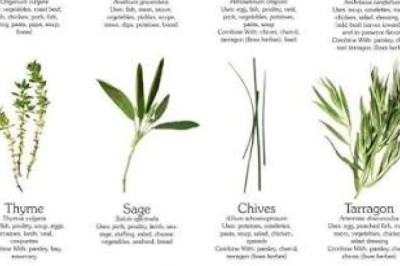
Medicinal herbs have been used for thousands of years across cultures for their healing, aromatic, and culinary properties. In modern times, these herbs are valued not only for their flavor in food but also for their bioactive compounds that promote healt...
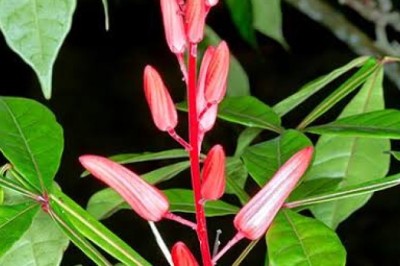
Quassia (Quassia amara and Picrasma excelsa) is a remarkable tropical medicinal plant valued for its intensely bitter compounds and wide range of therapeutic properties. Known as one of nature’s purest sources of natural bitterness, Quassia has been used...
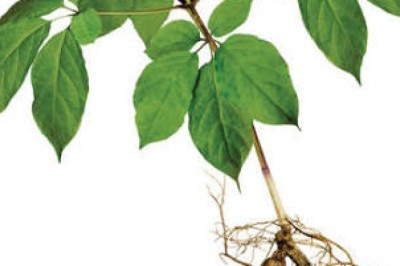
Ginseng is one of the world’s most valuable and ancient medicinal plants, revered for its healing, energizing, and restorative properties. Known scientifically as Panax—a word derived from the Greek “panacea,” meaning “cure-all”—Ginseng has been used in t...
Stevia (Stevia rebaudiana) is a remarkable plant known worldwide for its natural sweetness and health benefits. Originating from South America, particularly Paraguay and Brazil, Stevia has been used for centuries by the indigenous Guaraní people as a swee...
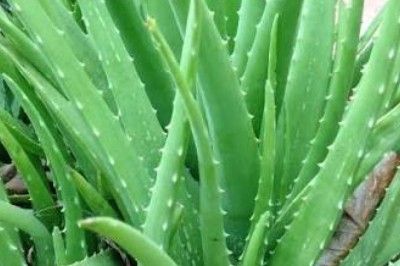
Aloe vera is one of the world’s most celebrated specialty and niche crops, renowned for its medicinal, cosmetic, and nutritional properties. Known as the “plant of immortality” by ancient civilizations, Aloe vera has been used for thousands of years to he...
Agave is a fascinating and highly versatile plant that stands out as one of the most valuable specialty and niche crops in the world. Best known as the source of tequila, one of Mexico’s most iconic exports, agave also produces durable natural fibers used...
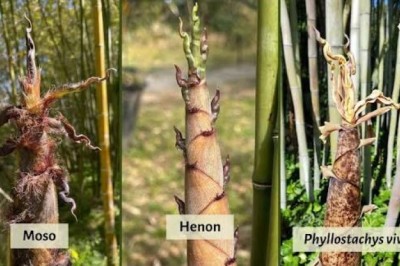
Bamboo is one of the world’s fastest-growing and most versatile plants — an extraordinary specialty and niche crop that provides both economic and ecological benefits. Known as the “green gold” of the plant kingdom, bamboo serves as a renewable source of...
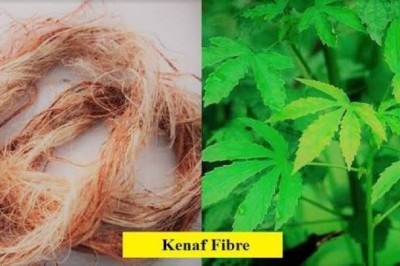
Kenaf (Hibiscus cannabinus L.) is a fast-growing, fiber-producing plant that belongs to the hibiscus family (Malvaceae). Though it looks similar to bamboo or jute, kenaf is actually a close relative of okra and cotton. Known for its strength, versatility,...
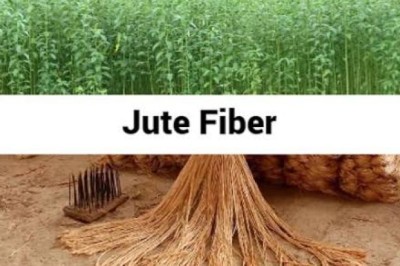
Jute is one of the world’s most important natural fiber crops, often called the “golden fiber” for its silky golden hue and economic significance. It is a specialty and niche crop that provides sustainable raw material for textiles, ropes, bags, and eco-f...
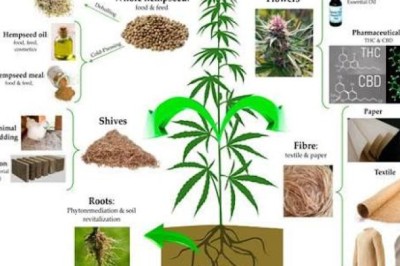
Hemp (Cannabis sativa L.) is one of the world’s oldest and most versatile crops. Cultivated for thousands of years for its strong fibers, nutritious seeds, and medicinal properties, hemp has recently regained popularity as a high-value specialty and niche...
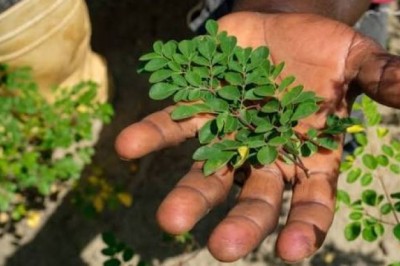
Moringa, scientifically known as Moringa oleifera, is one of the most remarkable multipurpose plants in the world. Often referred to as the “miracle tree” or “drumstick tree,” Moringa is valued both as a nutritious food source for humans and as an excelle...
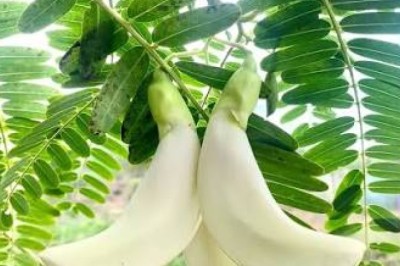
Sesbania is a remarkable leguminous plant that serves multiple roles in agriculture—as a forage crop, green manure, soil improver, and even a biomass source. Known for its rapid growth, nitrogen-fixing ability, and adaptability to diverse conditions, Sesb...
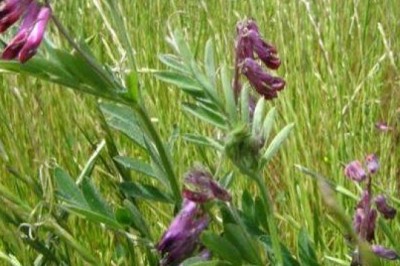
Vetch is a highly valuable forage and cover crop that plays an important role in livestock feeding systems and sustainable agriculture. Known for its excellent nitrogen-fixing ability, high protein content, and soil-improving properties, vetch is cultivat...
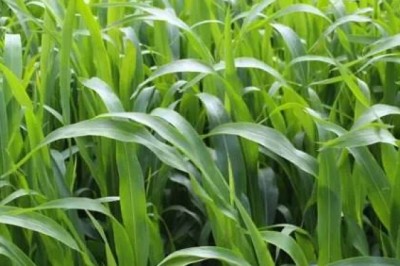
Sorghum-sudangrass hybrids are highly valued forage crops known for their exceptional productivity, adaptability, and nutritional value. These hybrids are the result of crossing sorghum (Sorghum bicolor) with sudangrass (Sorghum sudanense), combining the...
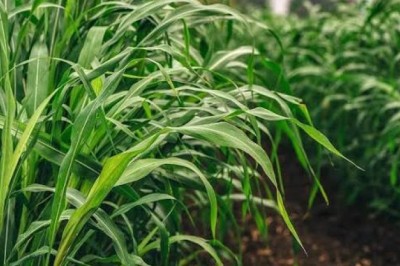
Sudan grass (Sorghum × drummondii), a member of the sorghum family (Poaceae), is one of the most important tropical and subtropical forage crops in the world. Renowned for its rapid growth, high biomass yield, and tolerance to heat and drought, Sudan gras...