




= Origins and History
Guinea fowl originate from Africa, where they still roam wild in large numbers. The most common domesticated species is the **Helmeted Guinea Fowl (Numida meleagris)**. They were introduced to Europe in the 15th century by Portuguese traders and have since been spread worldwide, especially in rural homesteads and farms.
The name “guinea” comes from the Guinea coast of West Africa, reflecting their origins. Despite domestication, guinea fowl retain many wild traits—they are hardy, semi-wild birds that require less care than chickens or ducks.
---
= Physical Characteristics
Guinea fowl are easy to distinguish from chickens, ducks, or geese due to their unique appearance.
* **Size and Weight**: Adults weigh between 1.3 and 1.6 kilograms, with hens usually smaller than cocks.
* **Plumage**: Most have gray or lavender feathers speckled with white dots, although there are color varieties like pearl, white, and royal purple.
* **Head and Wattles**: They have bare heads, small wattles, and a casque (helmet-like knob) on top of the head.
* **Lifespan**: With proper care, guinea fowl can live up to 10–15 years, making them longer-lived than many poultry breeds.
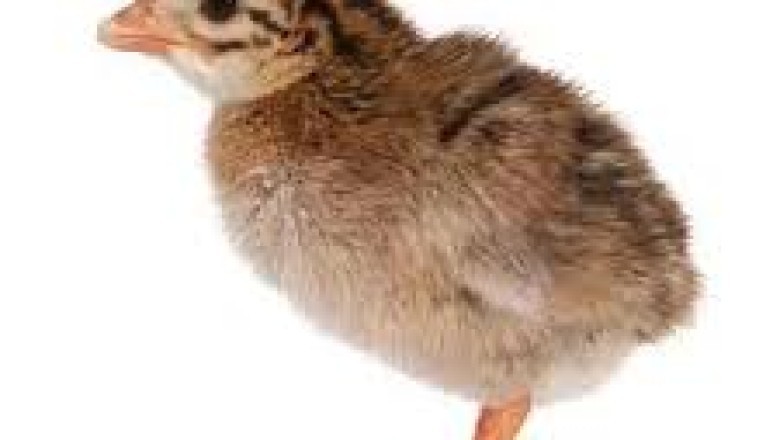
Keets are tiny, down-covered chicks with striped markings that provide camouflage. They grow quickly and begin feathering within a couple of weeks.
---
= Behavior and Temperament
Guinea fowl are known for their distinctive behavior:
* **Noisy Guardians**: They are loud and make alarm calls at the slightest disturbance. Many farmers use them as natural “alarms” to ward off intruders and alert to predators.
* **Flock Birds**: They prefer to live in groups and stick closely together, often moving as a single unit.
* **Flighty and Semi-Wild**: Unlike chickens, they are less tame and more difficult to handle. They can fly well and often roost in trees.
* **Foragers**: They spend most of their day foraging for insects, seeds, and plants.
While noisy, their protective instincts and pest control abilities make them invaluable on farms.
---
= Breeding and Raising Keets
Breeding guinea fowl is relatively straightforward, but raising keets requires extra care.
* **Egg Production**: Guinea hens lay about 80–150 eggs per year, usually during the warm months. Their eggs are smaller, harder-shelled, and very nutritious.
* **Hatching**: Hens are poor sitters, often abandoning nests, so many farmers use incubators or broody chickens to hatch guinea eggs.
* **Keet Care**:
* **Temperature**: Keets are sensitive to cold. They require brooding at around 35°C (95°F) in their first week, gradually reducing as they feather.
* **Housing**: Keets should be kept in enclosed brooders to protect them from drafts and predators.
* **Feeding**: A high-protein starter feed (20–24%) is recommended, as they grow quickly and need proper nutrition.
With careful management, keets grow into hardy adults that thrive with minimal care.
---
= Feeding and Nutrition
One of the greatest strengths of guinea fowl is their self-sufficiency.
* **Foraging**: They are excellent free-rangers, eating grass, seeds, weeds, and a wide variety of insects. They are particularly valuable for controlling ticks, flies, beetles, and even small snakes.
* **Supplementary Feed**: While they forage well, providing poultry feed ensures proper nutrition, especially for growing keets or during winter.
* **Water**: Clean, fresh water should always be available.
Their natural foraging ability makes them low-cost birds to maintain compared to chickens or ducks.
---
= Housing and Management
Guinea fowl are less dependent on structured housing than chickens, but management is still essential.
* **Housing**: They need a secure coop to protect them from predators at night. If not trained to return home, they may choose to roost in trees.
* **Space**: They require ample space to roam. Crowding them in small enclosures leads to stress and feather picking.
* **Training**: Raising keets with chickens or confining them for several weeks when young helps train them to return to their coop at night.
Well-managed guinea fowl are both functional and ornamental additions to the farmyard.
---
= Productivity and Uses
Guinea fowl are multi-purpose birds with several valuable uses:
1. **Eggs**:
* Their eggs are smaller than chicken eggs but richer in flavor and nutrients.
* The thick shells give them a longer shelf life.
* They are considered a delicacy in some regions.
2. **Meat**:
* Guinea meat is lean, dark, and has a game-like flavor.
* It is prized in gourmet cooking and is considered healthier than chicken due to its lower fat content.
3. **Pest Control**:
* Perhaps their greatest benefit, guinea fowl are natural insect hunters.
* They reduce tick populations, making them useful in areas where tick-borne diseases are a concern.
4. **Ornamental and Watchbirds**:
* Their striking appearance and loud calls make them decorative and functional guardians.
---
= Advantages of Keeping Guinea Fowl
* Low-cost maintenance due to foraging ability.
* Hardy and resistant to many poultry diseases.
* Excellent pest and tick control.
* Long lifespan compared to chickens.
* Nutritious eggs and lean, flavorful meat.
* Natural watchdogs, alerting to predators and intruders.
---
= Challenges of Keeping Guinea Fowl
Despite their benefits, guinea fowl present some challenges:
* **Noise**: Their constant calls can be disruptive in quiet neighborhoods.
* **Flightiness**: They are difficult to handle and often resist confinement.
* **Nest Hiding**: Hens often lay eggs in hidden or unsafe spots, making collection difficult.
* **Predator Vulnerability**: While alert, they can be vulnerable when roosting in trees.
Proper management helps balance these challenges with their many benefits.
---
= Conclusion
Guinea fowl, and particularly keets, offer farmers and backyard keepers a unique combination of beauty, utility, and resilience. From their African roots to their global popularity today, these birds have carved out a niche in poultry farming.
Keets require attentive care during their first weeks, but once they mature, guinea fowl are among the hardiest and most self-sufficient farm birds. With their ability to control pests, provide nutritious eggs, and produce lean meat, they are a valuable addition to sustainable farming systems.
Whether kept for practical reasons or ornamental charm, guinea fowl prove that even the noisiest birds can play an indispensable role in agriculture.
---











Comments
0 comment