




The many duck breeds that are primarily valued for meat or ornamental purposes, the Khaki Campbell shines as an egg-layer, often rivaling or even surpassing chickens in terms of productivity.
In this article, we’ll explore everything you need to know about the Khaki Campbell duck, from its origins and appearance to its egg-laying abilities, temperament, management, and role in sustainable farming.
---
= Origins and History
The Khaki Campbell was first developed by **Mrs. Adele Campbell of Gloucestershire, England**, in the late 19th century. Wanting a duck that could provide her family with high-quality eggs and meat, she began crossing **Indian Runner ducks** (famous for their egg-laying) with **Rouen ducks** (known for their size and meat quality). Later, she introduced **Mallard bloodlines** to add hardiness and natural instincts.
By 1898, Mrs. Campbell had achieved a successful balance, producing a duck with impressive laying capacity and good utility traits. However, the original birds had a plumage that wasn’t very appealing to the general public, so she worked further to refine their color. By 1901, she produced the distinctive **khaki-colored plumage**, and the breed became officially known as the **Khaki Campbell**.
---
= Physical Characteristics
The Khaki Campbell has a simple yet elegant appearance. It is not bred for ornamental purposes but rather for utility and performance.
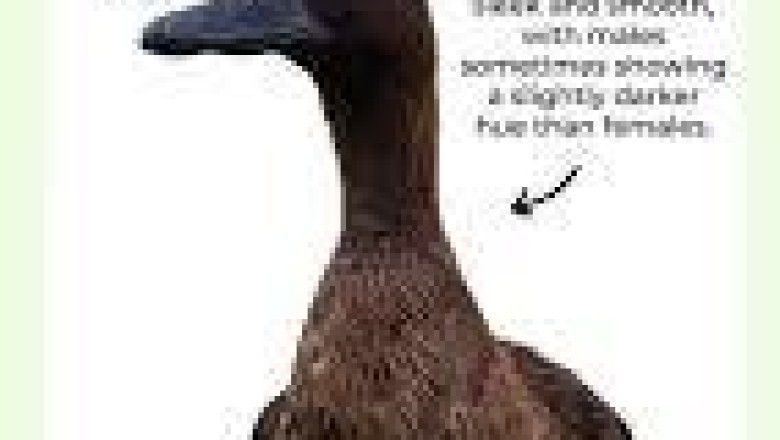
* **Plumage:** Soft, uniform khaki-brown color, giving the breed its name. The drakes (males) sometimes have a slightly darker head and neck.
* **Size:** Medium-sized ducks weighing about **2–2.5 kg (4.5–5.5 lbs)**, making them lighter than meat breeds but heavier than Indian Runners.
* **Body Shape:** Upright posture, though less vertical than the Indian Runner. Streamlined, with a lean and athletic build.
* **Bill and Legs:** Olive-green or dark bill, with legs in shades of brown to olive.
* **Eggs:** They lay **white to slightly tinted eggs** that are medium to large in size.
The overall look is modest compared to fancy breeds, but the Khaki Campbell is highly efficient and practical.
---
= Egg-Laying Performance
The Khaki Campbell is world-renowned for its **egg-laying ability**. Many poultry experts consider it the **best egg-laying duck breed**, and it is often compared to the White Leghorn chicken in terms of productivity.
* **Egg Production:** 280–320 eggs per year under good management. Some outstanding individuals may even reach **350 eggs annually**.
* **Egg Size:** Medium to large, averaging 65–75 grams.
* **Egg Color:** White or lightly tinted.
* **Laying Age:** They begin laying as early as **5–7 months of age**.
* **Laying Consistency:** Unlike many ducks that slow down after their first year, Khaki Campbells maintain steady production for several years.
This makes them ideal for small farms and households that want a reliable supply of fresh eggs year-round.
---
= Temperament and Behavior
Khaki Campbells are **active, intelligent, and hardy birds**. They thrive in free-range systems and enjoy foraging for insects, weeds, and slugs, making them excellent natural pest controllers.
* **Temperament:** Generally friendly but not overly affectionate. They are not as docile as some breeds like Pekins, but they are not aggressive.
* **Activity Level:** Very energetic; they spend much of the day foraging and need space to roam.
* **Noise Levels:** Quieter than some duck breeds, though females still quack loudly when excited.
* **Broodiness:** Rarely go broody, meaning they are not the best for natural hatching. Most eggs are hatched in incubators.
Their lively personality makes them enjoyable to watch, and they adapt well to different climates, including colder regions.
---
= Housing and Care
Khaki Campbells are adaptable and relatively low-maintenance, but to maximize egg production, proper housing and nutrition are essential.
* **Shelter:** Provide a secure, dry, and well-ventilated coop to protect them from predators and bad weather. Each duck needs about 3–4 square feet inside the house.
* **Foraging Space:** They thrive when allowed to free-range on pasture. At least 15–20 square feet per bird is recommended.
* **Water Needs:** While they don’t require a pond, they do need access to water deep enough to dip their heads in for cleaning their eyes and nostrils. Kiddie pools or small troughs work well.
* **Feeding:** A balanced diet of layer pellets supplemented with greens, grains, and foraged insects ensures high egg production. They benefit from extra calcium (like crushed oyster shell) to maintain strong eggshells.
---
= Health and Hardiness
One of the reasons Khaki Campbells became popular worldwide is their **robust health**. They are resistant to many common duck diseases and thrive in a variety of climates.
* **Lifespan:** 8–10 years, with peak egg production in the first 3–4 years.
* **Cold Tolerance:** Hardy in cooler regions as long as they are provided with shelter.
* **Heat Tolerance:** Can adapt to warm climates with plenty of shade and access to water.
* **Common Issues:** Like all ducks, they are prone to bumblefoot if kept on hard surfaces and need protection from predators such as foxes, hawks, and raccoons.
---
= Meat Production
Although primarily an egg-laying breed, Khaki Campbells can also provide meat. However, their lean bodies mean they are not as meaty as breeds like Pekins or Muscovies.
* **Meat Quality:** Lean and flavorful, though not as tender as commercial meat ducks.
* **Utility:** Best regarded as a secondary benefit rather than the main purpose of the breed.
---
= Role in Sustainable Farming
Khaki Campbells are excellent choices for **small-scale sustainable farming systems** because they offer multiple benefits:
1. **High Egg Yield:** Reliable source of protein-rich food.
2. **Pest Control:** Forage for snails, slugs, and insects in gardens and fields.
3. **Low Maintenance:** Require little input compared to the amount of food they produce.
4. **Eco-Friendly:** Can be integrated into permaculture systems where they fertilize the soil while foraging.
Their ability to produce large numbers of eggs with relatively modest feed consumption makes them a great alternative or complement to chickens.
---
= Advantages of Khaki Campbell Ducks
* Exceptional egg production (up to 320+ eggs/year).
* Hardy and adaptable to different climates.
* Good foragers, reducing feed costs.
* Low maintenance compared to other poultry.
* Quieter than many duck breeds.
---
= Challenges of Raising Khaki Campbells
* Not ideal for meat production due to lean bodies.
* Rarely go broody, so artificial incubation is usually required.
* Can be shy or flighty if not handled from a young age.
* Active nature means they need space; confinement is not ideal.
---
= Conclusion
The **Khaki Campbell duck** is a legendary egg-laying breed that continues to prove its worth on farms and homesteads worldwide. With their remarkable egg production, hardy nature, and active foraging habits, they stand out as one of the best utility ducks for those seeking reliable food sources and sustainable farming solutions. While they may not be the most decorative or meatiest breed, their efficiency and productivity make them a powerhouse in the world of poultry.
For anyone looking to keep ducks primarily for **eggs**, the Khaki Campbell remains one of the best choices available, combining utility, resilience, and performance in one modest-looking but extraordinary bird.
---











Comments
0 comment