



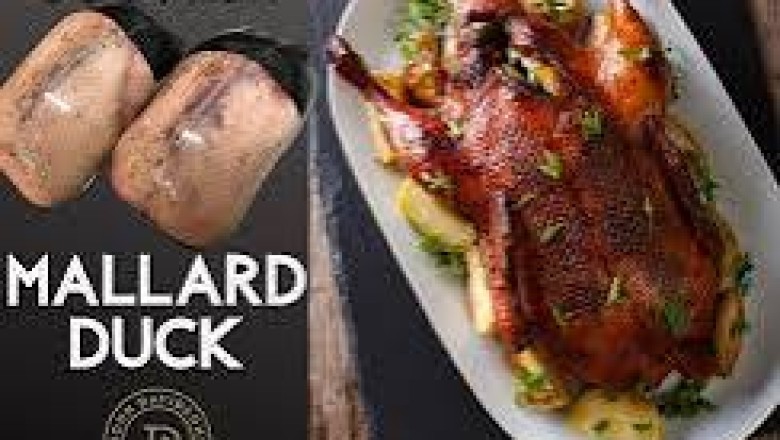

Though often associated with wild wetlands, Mallards are versatile, thriving in natural, semi-domesticated, and farm environments. Their dual role as a **meat bird** and **ornamental species** ensures their place in history, culture, and agriculture.
---
= Origins and Distribution
The Mallard is a native species of the Northern Hemisphere, commonly found across **Europe, Asia, and North America**. It is the ancestor of nearly all domestic duck breeds except the Muscovy.
* **Wild Mallards** migrate seasonally, inhabiting wetlands, rivers, ponds, and lakes.
* **Domesticated Mallards** and their color variants are kept for meat, eggs (though in smaller quantities compared to egg-laying breeds), and as ornamental birds.
* Due to human introduction, Mallards now exist in regions as far as Australia and New Zealand.
Their adaptability and ability to hybridize with other duck species have contributed to their wide distribution and cultural significance.
---
= Physical Characteristics
The Mallard is a medium-sized duck with one of the most recognizable appearances in the waterfowl world.
* **Drake (male):** Iridescent green head, narrow white neck ring, chestnut-brown chest, grayish body, and distinctive curled black tail feathers.
* **Hen (female):** Mottled brown plumage with an orange bill marked with black, providing camouflage for nesting.
* **Weight:** 1–1.5 kg (2.2–3.5 lbs) for wild birds; domesticated strains may be heavier.
* **Wingspan:** About 80–95 cm.
* **Bill and Legs:** Yellow to orange bills (drakes) and orange legs, strong for swimming and walking.
* **Ornamental Varieties:** Domestic breeders have developed white, snowy, pastel, and pied colorations for decorative purposes.
The sharp contrast between the brilliantly colored males and the camouflaged females highlights nature’s balance between attraction and protection.
---
= Meat Production
Mallards are not commercial meat ducks on the same scale as **Pekins or Muscovies**, but they are still valued for their lean, flavorful meat.
* **Taste:** Considered more gamey and rich than commercial duck breeds.
* **Meat Yield:** Smaller carcass compared to larger meat ducks, but with firm, dark breast meat that is highly prized by chefs and hunters.
* **Hunting Tradition:** Wild Mallards have long been central to duck hunting culture worldwide. In many regions, they are the most commonly hunted waterfowl.
* **Domesticated Mallards:** Selectively bred strains produce more meat than their wild ancestors, though they still remain lighter than dedicated meat breeds.
For smallholders or traditional farmers, Mallards can provide both food and beauty, making them a multipurpose breed.
---
= Egg-Laying Ability
Mallards are not renowned for egg production, especially compared to specialized breeds like Khaki Campbells or Indian Runners. However, they still provide a modest supply of eggs.
* **Egg Production:** 60–120 eggs per year, depending on management and strain.
* **Egg Size:** Medium, averaging 60–65 grams.
* **Egg Color:** Cream to pale green.
* **Broodiness:** Mallard hens are excellent sitters and attentive mothers, making them valuable for natural hatching and breeding.
Their strong broody instinct makes them useful for small farms where incubators are not used.
---
= Temperament and Behavior
Mallards are active, alert, and adaptable birds with natural instincts retained from their wild heritage.
* **Temperament:** Generally wary, especially wild-type birds. Domesticated varieties can be tamer if raised around people.
* **Flight Ability:** Wild Mallards and their close domestic relatives are strong fliers. Clipped wings may be necessary to prevent escape in farm settings.
* **Foraging Skills:** Excellent at foraging on plants, seeds, insects, and aquatic life.
* **Noise Levels:** Hens are fairly vocal with their quacks, while drakes are quieter.
* **Adaptability:** Can live in wild wetlands, farm ponds, or ornamental lakes with equal ease.
Their lively behavior and natural beauty make them attractive additions to homesteads, estates, and aviaries.
---
= Housing and Care
While Mallards are hardy and resilient, they require proper care for optimal well-being in domesticated settings.
* **Shelter:** Provide predator-proof housing at night, with 3–4 square feet per bird indoors.
* **Outdoor Space:** Access to a pond or water source is ideal, as they are strong swimmers and enjoy dabbling.
* **Foraging Needs:** Thrive in free-range environments where they can forage for insects, grasses, and aquatic plants.
* **Feeding:** Balanced diet of grains, waterfowl feed, and natural forage. Supplement with protein during breeding and molting.
* **Water Requirements:** Need fresh, clean water for swimming and head-dunking to maintain feather and eye health.
Domesticated Mallards can adapt to backyard farms, but their tendency to fly makes wing clipping or enclosed runs important.
---
= Ornamental Value
Mallards are among the most **ornamental duck species** kept worldwide. Their striking plumage, elegant shape, and calm presence on ponds and lakes make them highly desirable in ornamental collections.
* **Drakes:** Especially prized for their iridescent green heads and bright plumage.
* **Hens:** Though plainer, provide balance in ornamental flocks and play an important role in breeding.
* **Color Variants:** Breeders have developed white Mallards, snowy Mallards, and pastel strains that enhance their ornamental appeal.
In many estates, public parks, and private gardens, Mallards are kept primarily for beauty rather than utility.
---
= Role in Sustainable Farming and Conservation
Mallards offer multiple benefits beyond their ornamental charm.
1. **Meat Production:** Provide a natural source of flavorful meat, especially in hunting traditions.
2. **Eggs:** Though limited, their eggs are nutritious and can be used for small-scale consumption.
3. **Broodiness:** Their strong maternal instincts allow them to hatch eggs from other ducks, chickens, or even gamebirds.
4. **Biodiversity:** As the ancestor of domestic ducks, Mallards play a vital role in maintaining genetic diversity.
5. **Conservation Concerns:** Hybridization between wild Mallards and domestic ducks can threaten local wild duck populations, making conservation efforts important.
---
= Advantages of Mallard Ducks
* Attractive, iconic appearance.
* Lean, flavorful meat highly valued by hunters and chefs.
* Strong broody instincts, excellent mothers.
* Hardy and adaptable to many climates and habitats.
* Provide ornamental beauty for lakes, farms, and estates.
---
= Challenges of Raising Mallards
* Smaller meat yield compared to commercial duck breeds.
* Egg production is modest and not suited for commercial egg farming.
* Flight ability makes containment challenging.
* Wild instincts may make them shy or less tame.
* Hybridization risks with wild populations.
---
= Conclusion
The **Mallard duck** is far more than just a beautiful waterfowl. It is a **cultural icon, an important meat bird, and the ancestor of most domestic duck breeds**. With its vibrant plumage, adaptability, and natural foraging ability, the Mallard is equally at home in wetlands, hunting estates, ornamental ponds, and small farms. While it cannot compete with specialized breeds in terms of egg or meat yield, its balance of beauty, utility, and heritage ensures its continued importance.
Whether valued for its ornamental grace or its contribution to the dinner table, the Mallard remains one of the most cherished ducks in the world, bridging the gap between wild nature and human agriculture.










Comments
0 comment