



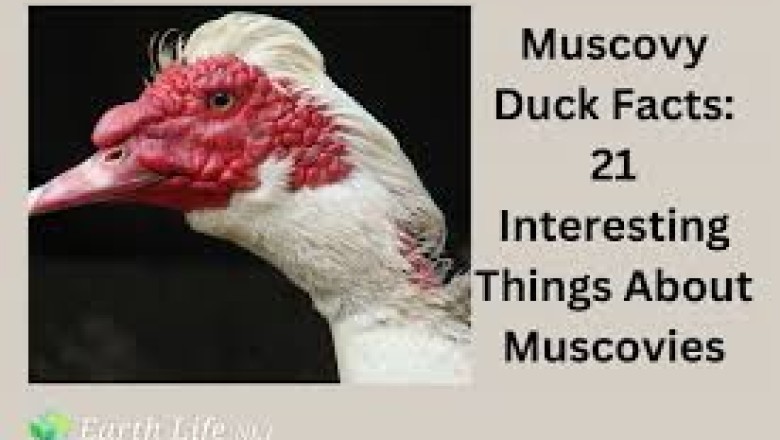

With red facial caruncles, quiet nature, excellent meat production, and adaptability, the Muscovy duck is valued worldwide by farmers, homesteaders, and hobby keepers.
This article explores the history, characteristics, productivity, care needs, and cultural significance of the Muscovy duck.
---
= Origins and History
The Muscovy duck (**Cairina moschata**) originated in the tropical forests of **Central and South America**, where it was domesticated centuries ago by indigenous peoples. Unlike mallard-derived breeds such as the Pekin or Khaki Campbell, the Muscovy belongs to a separate species altogether.
Spanish explorers brought Muscovy ducks to Europe in the 16th century, where they quickly spread and became popular for meat production. Today, Muscovy ducks are raised globally, often prized for their lean, flavorful meat and quiet, hardy disposition.
---
= Physical Characteristics
Muscovy ducks are instantly recognizable thanks to their unusual appearance.
1. **Facial Caruncles** – One of their defining traits is the bright red, warty skin around the eyes and beak. This feature is especially prominent in drakes (males).
2. **Size** –
* Drakes: 4.5–6.5 kg (10–15 lbs), with some reaching up to 7 kg.
* Ducks (females): 2–3 kg (4.5–7 lbs).
3. **Plumage** – They come in a wide range of colors, including black, white, blue, chocolate, pied, and lavender. Iridescent green and purple sheens are common in darker birds.
4. **Tail and Claws** – Muscovies have long tails and strong claws, adapted from their wild ancestors that perch on trees.
5. **Bill and Legs** – Typically black or reddish bills with webbed feet; however, they retain a stronger grip compared to other duck breeds.
---
= Temperament and Behavior
Muscovy ducks are very different in temperament from mallard-based domestic ducks.
* **Quiet** – Unlike other ducks, they do not produce loud quacking. Instead, they make soft hisses, trills, and whistles. This makes them excellent for urban or suburban settings.
* **Gentle and Docile** – They are calm birds when handled properly, although drakes can be territorial during breeding season.
* **Foragers** – Muscovies are excellent free-rangers, consuming insects, larvae, grass, and weeds, helping control pests.
* **Flight Ability** – Unlike heavy Pekins, Muscovies can fly well, often perching in trees. Wing clipping may be necessary if you want to keep them contained.
---
= Egg Production
Muscovies are not prolific layers compared to specialized breeds but still contribute to household egg needs.
* **Eggs per Year**: 90–120 eggs.
* **Egg Size**: Large, weighing 65–85 grams.
* **Egg Color**: Creamy white to off-white.
They lay in **clutches**, often stopping production to go broody, which affects consistency.
---
= Broodiness and Mothering
One of the Muscovy’s strongest traits is its **exceptional broodiness and mothering skills**.
* Hens often sit faithfully on their eggs and hatch large clutches.
* Incubation takes **35 days**, longer than the 28 days of mallard-derived ducks.
* Muscovy hens can hatch not only their own eggs but also those of chickens, geese, and even turkeys.
This makes them valuable for small farms looking for natural incubation.
---
= Meat Production
Muscovy ducks are primarily raised for their high-quality meat.
* **Flavor** – Their meat is lean, dark red, and has a rich flavor often compared to beef or veal. It contains less fat than Pekin duck, making it popular with health-conscious consumers.
* **Carcass Yield** – Drakes provide large carcasses, while females are smaller and often processed for delicacies.
* **Global Cuisine** – Muscovy meat is valued in Latin American, Asian, and European cuisines. It is often roasted, grilled, or braised.
---
= Care and Management
Muscovy ducks are hardy, adaptable, and relatively easy to care for.
=# Housing
* Provide shelter that is dry, secure, and well-ventilated.
* Nesting boxes should be roomy, as Muscovy hens prefer secluded areas for laying.
=# Feeding
* A balanced waterfowl or poultry feed ensures proper nutrition.
* They are excellent foragers, eating grass, weeds, seeds, insects, and even small rodents.
* Supplement with grains and greens for maximum health.
=# Water Needs
* Muscovies enjoy water but do not rely on swimming ponds as much as other ducks.
* They require access to fresh drinking water deep enough for cleaning their nostrils and bills.
=# Health Considerations
* Hardy birds with strong natural resistance to many poultry diseases.
* Prone to parasites if raised in damp or dirty conditions.
* Wing clipping may be necessary to prevent escape.
---
= Climate Adaptability
* **Cold Weather** – Muscovies tolerate cold well if given shelter. Their strong constitution makes them popular in northern climates.
* **Hot Weather** – They thrive in warm, humid climates, reflecting their tropical origins. Shade and clean water are essential.
---
= Breeding and Genetics
* **Sexual Maturity** – Hens begin laying at about 6–7 months.
* **Mating Ratios** – One drake for every 5–6 hens ensures fertility.
* **Crossbreeding** – Muscovies can crossbreed with mallard-derived ducks, producing hybrids called **moulards** or **mulards**, often raised for meat or foie gras. These hybrids are usually sterile.
---
= Economic Importance
The Muscovy duck contributes significantly to poultry farming in multiple ways:
1. **Meat Production** – Highly valued for its lean, flavorful meat.
2. **Natural Pest Control** – Their foraging habits reduce insect and weed populations.
3. **Brooding and Hatching** – Excellent natural incubators for small-scale farms.
4. **Ornamental and Hobby Farming** – With their unique appearance and quiet nature, Muscovies are popular in backyard flocks.
---
= Advantages of Muscovy Ducks
1. Quiet nature — ideal for urban and suburban farms.
2. Excellent brooders and mothers.
3. Lean, flavorful meat with gourmet appeal.
4. Hardy and disease-resistant.
5. Great foragers, reducing feed costs.
6. Adaptable to a wide range of climates.
---
= Challenges of Muscovy Ducks
1. Lower egg production compared to specialized egg breeds.
2. Drakes can be aggressive during breeding season.
3. Flighty — may require wing clipping to prevent escape.
4. Longer incubation period for eggs (35 days).
5. Not as fast-growing as Pekin ducks, making them less common in commercial meat operations.
---
= Conclusion
The **Muscovy duck** is a truly unique waterfowl, standing apart from mallard-derived domestic breeds. With its South American origins, distinctive red caruncles, quiet nature, and exceptional meat quality, it has earned a strong reputation in both commercial farming and backyard settings. While they may not rival other ducks in egg production, their foraging skills, broodiness, and lean meat make them a valuable addition to diverse flocks.
For farmers seeking hardy, multipurpose ducks that combine utility with charm, the Muscovy remains one of the best specialty choices. Whether for sustainable farming, pest control, or culinary excellence, this breed continues to thrive worldwide as a unique and indispensable waterfront












Comments
0 comment