




= Origin and History
The Rhode Island Red was developed in the mid-19th century in the U.S. state of **Rhode Island and Massachusetts**. Poultry breeders crossed **Malay chickens** (known for their hardiness and size) with European breeds such as **Leghorns, Cochins, and Brown Leghorns** to create a bird that combined egg-laying ability with good meat characteristics.
The breed was officially recognized by the **American Poultry Association in 1904**. Over time, two distinct strains emerged:
1. **Industrial (production) Rhode Island Reds** – selectively bred for high egg output.
2. **Heritage (show and traditional) Rhode Island Reds** – larger, heavier birds that balance meat and egg production.
This dual nature ensures that the breed can serve both small farms and industrial production.
---
= Physical Characteristics
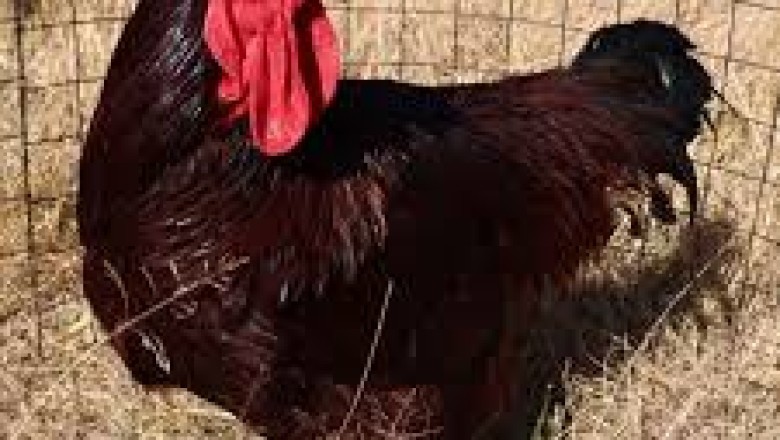
Rhode Island Reds are striking birds with a robust appearance and a rich, dark color. Their physical features are suited for productivity and resilience:
* **Plumage:** Deep red to mahogany feathers, often with a black tail.
* **Size:** Medium to large; roosters weigh **3.5–4 kg**, hens weigh **2.5–3 kg**.
* **Comb:** Can have either **single combs** (more common) or **rose combs**, with bright red coloration.
* **Wattles & Earlobes:** Red, matching the comb.
* **Body Shape:** Long, rectangular body with strong legs.
* **Temperament:** Generally hardy and calm, though roosters can sometimes be aggressive.
Their attractive looks and practical qualities make them a popular breed in both farms and backyard flocks.
---
= Egg Production Traits
Rhode Island Reds are excellent egg layers for a dual-purpose breed. While not as prolific as Leghorns, they are consistent and reliable.
* **Annual Egg Output:** 200–280 large eggs per hen.
* **Egg Shell Color:** Brown, ranging from light to deep brown.
* **Egg Size:** Large, averaging 60–65 grams.
* **Sexual Maturity:** Begin laying at **20–22 weeks** of age.
* **Laying Longevity:** Can maintain good production for 3–4 years, longer than some commercial hybrids.
Their brown eggs are highly marketable, particularly in regions where consumers prefer them over white-shelled eggs.
---
= Meat Production Traits
Rhode Island Reds are **meatier than egg-focused breeds**. Their solid body frame makes them useful for small-scale meat production.
* **Market Weight:** Roosters reach market size (3.5–4 kg) at 16–20 weeks.
* **Meat Quality:** Lean but flavorful, with good texture.
* **Carcass Yield:** Adequate for home consumption or local markets.
This makes them a good option for farmers who want to **raise a flock that provides both eggs and meat**, reducing the need to keep separate layer and broiler breeds.
---
= Feed Efficiency
Rhode Island Reds balance efficiency with durability:
* **Feed Intake:** About **120–130 grams per day per adult hen**.
* **Conversion Rate:** Higher than commercial layers, but acceptable for a dual-purpose breed.
* **Foraging Ability:** Excellent free-rangers that reduce feed costs by supplementing diets with insects and plants.
They are especially valuable in low-input systems where commercial feeds are expensive or limited.
---
= Management and Housing
Rhode Island Reds are relatively easy to manage compared to more specialized breeds.
1. **Housing:**
* Can thrive in free-range, semi-intensive, or intensive systems.
* Sturdy shelters protect them from predators, as they prefer scratching and roaming.
2. **Feeding:**
* Balanced diet with **16–18% protein** for layers and additional calcium for strong eggshells.
* Foraging opportunities reduce reliance on formulated feed.
3. **Lighting:**
* Require **14–16 hours of light daily** during laying season for consistent production.
4. **Health:**
* Hardy and disease-resistant.
* Vaccinations and deworming are still recommended.
5. **Climate Tolerance:**
* Adaptable to hot and cold climates.
* Rose comb variants are better suited to cold regions as their combs resist frostbite.
---
= Advantages of Rhode Island Reds
The popularity of Rhode Island Reds is due to their many strengths:
* **Dual-Purpose Utility:** Good balance of egg and meat production.
* **Hardiness:** Adaptable to a variety of climates and farming systems.
* **Egg Quality:** Large, brown eggs with strong shells.
* **Foraging Skills:** Lower feed costs in free-range systems.
* **Long-Term Productivity:** Lay consistently for several years.
* **Temperament:** Hens are calm and manageable, good for backyard flocks.
---
= Limitations of Rhode Island Reds
Despite their many benefits, Rhode Island Reds do have some drawbacks:
* **Not as Specialized:** They produce fewer eggs than Leghorns and less meat than broilers.
* **Aggressive Roosters:** Males can be territorial and difficult to manage.
* **Feed Needs:** While good foragers, they still require balanced feed for optimal performance.
* **Body Fat:** In confined systems, they can gain weight, reducing laying efficiency.
---
= Economic Importance
Rhode Island Reds are economically significant in several ways:
* **Backyard and Small-Scale Farms:** Provide families with both meat and eggs.
* **Commercial Egg Industry:** Though largely replaced by hybrid layers, production strains of RIRs still contribute to brown-egg markets.
* **Genetic Contribution:** Used in breeding programs to develop hybrid layer strains like **ISA Brown, Lohmann Brown, and Hy-Line Brown**.
* **Global Distribution:** Popular in Africa, Asia, and Latin America, where dual-purpose breeds are preferred in rural areas.
---
= Role in Sustainable Farming
Rhode Island Reds are especially important in **sustainable and organic systems**:
* Their foraging ability reduces dependence on manufactured feed.
* Long lifespan and productivity reduce the need for frequent flock replacement.
* They fit well into integrated farming systems, contributing manure for soil fertility.
This makes them a valuable breed for farmers aiming for self-sufficiency.
---
= Conclusion
The **Rhode Island Red chicken** is a classic dual-purpose breed that has stood the test of time. From its humble beginnings in 19th-century America, it has become one of the most widely distributed and admired poultry breeds worldwide. With its **balance of egg and meat production, hardiness, and adaptability**, the Rhode Island Red remains an ideal choice for backyard poultry keepers and small farmers.
Although commercial hybrids now dominate industrial egg production, Rhode Island Reds continue to thrive in traditional and sustainable systems. Their ability to provide families with a steady supply of eggs and meat, even in resource-limited settings, ensures their ongoing importance in global poultry farming.
In short, the Rhode Island Red is not just a breed—it is a **symbol of versatility and resilience in poultry farming**, bridging the gap between smallholder needs and commercial production.












Comments
0 comment