



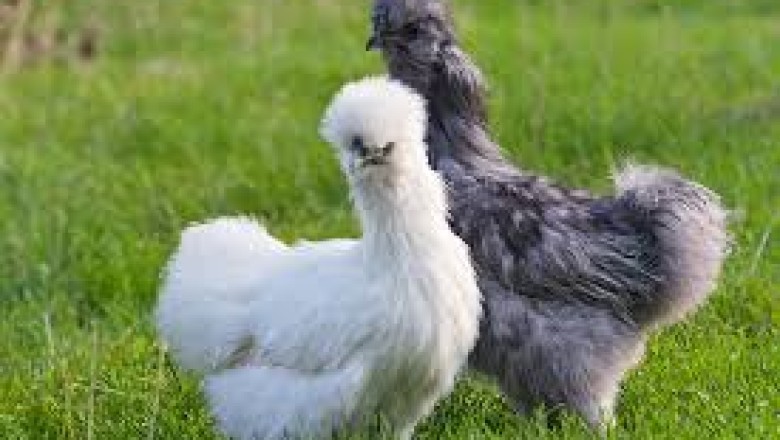

With their fluffy plumage that feels like silk, black skin and bones, and a sweet disposition, Silkies are considered specialty birds, often kept more for ornamental, exhibition, or pet purposes than large-scale commercial production. Still, they have been valued in both traditional medicine and backyard flocks for centuries
= Origins and History
The Silkie chicken traces its roots back to ancient Asia, with historical records pointing to **China** as the primary place of origin. Some sources also suggest connections to **Southeast Asia, India, and Japan**. They were first described by Marco Polo during his travels in the 13th century, who noted seeing “furry chickens with hair-like feathers.”
By the 1800s, Silkies reached Europe and North America, where they quickly became prized for their exotic appearance. In traditional Chinese medicine, Silkie meat — known as “black chicken” — is considered highly nutritious, used in soups and tonics believed to restore energy, support immunity, and strengthen overall health.
---
= Unique Physical Characteristics
The Silkie chicken is unlike any other breed in several striking ways:
1. **Feathers** – Their plumage lacks the barbicels that hold normal feathers together, giving them a fluffy, fur-like or silky appearance. This makes them poor fliers and highly ornamental.
2. **Skin, Bones, and Meat** – Silkies are one of the few breeds with **black or dark blue skin, meat, and bones**, a genetic trait called **fibromelanosis**. This trait contributes to their use in Asian cuisine and traditional medicine.
3. **Five Toes** – Unlike most chickens that have four toes, Silkies typically have **five toes per foot**, a rare and distinguishing characteristic.
4. **Comb and Wattles** – They usually have a **walnut-shaped comb**, often dark in color, and small wattles.
5. **Crest and Beard** – Many Silkies have a crest of fluffy feathers on their heads, sometimes accompanied by a “beard” of feathers under the beak.
6. **Size** – Silkies are considered **bantam or small-sized chickens**, with hens weighing about 1–1.5 kg and roosters slightly heavier.
---
= Varieties and Colors
Silkies are available in both **bearded** and **non-bearded** types. Bearded Silkies have extra feathering around the face and wattles, giving them a fuller, puffier look.
Recognized color varieties include:
* White
* Black
* Blue
* Buff
* Partridge
* Grey
* Splash
These varieties are popular in poultry shows, where Silkies often compete as ornamental exhibition birds.
---
= Temperament and Behavior
One of the most admired qualities of Silkie chickens is their **docile and friendly temperament**. They are calm, gentle, and easy to handle, making them ideal for families, children, and hobby keepers.
* **Social and Companionable** – Silkies are often kept as pets because they enjoy human interaction and tolerate handling well.
* **Broodiness** – Silkie hens are famously broody. They frequently go broody and are excellent mothers, often used to hatch eggs from other chicken breeds or even ducks and quails.
* **Adaptability** – They adapt well to confinement but also enjoy free-ranging. Because of their gentle nature, they may not thrive in flocks with more aggressive breeds.
---
= Egg Production
While Silkies are not considered high-production layers, they still contribute steadily to a small flock.
* **Eggs per Year**: Approximately **100–120 eggs per hen**.
* **Egg Size**: Small to medium.
* **Egg Color**: Cream to light tan.
Because of their frequent broodiness, egg production can be inconsistent. Many Silkie hens stop laying for long periods while sitting on nests, which makes them less ideal for commercial egg farming but highly valuable as natural incubators.
---
= Meat Quality and Culinary Use
Silkies are well known for their unique **black meat**, which is lean, high in protein, and considered a delicacy in many Asian cultures.
* **Nutritional Benefits** – Studies suggest Silkie meat contains higher levels of **carnosine and antioxidants** than conventional chicken meat, which may contribute to health benefits.
* **Traditional Medicine** – In Chinese medicine, Silkie chicken soup is believed to boost energy, nourish the blood, support women’s reproductive health, and strengthen immunity.
* **Flavor** – The meat is slightly gamier than standard chicken, with a rich taste that pairs well with herbs and medicinal broths.
---
= Care and Management
Silkies require some extra care compared to hardy utility breeds due to their feather structure and size.
=# Housing
* Provide **dry, draft-free coops** because their fluffy feathers are not waterproof.
* Nesting areas should be low to the ground, as Silkies cannot fly well.
=# Feeding
* A balanced poultry diet with layer pellets for hens, supplemented with grains, greens, and protein sources.
* Extra calcium (e.g., crushed oyster shell) for laying hens.
=# Health Considerations
* Their fluffy crests can sometimes obscure vision, so trimming may be necessary.
* Prone to external parasites like mites and lice, requiring regular checks.
* Should be protected from larger, more aggressive chickens.
=# Climate Adaptability
* Silkies tolerate cold moderately well if kept dry but struggle in very wet conditions.
* In hot climates, ensure shade and fresh water at all times.
---
= Cultural and Economic Value
Silkie chickens are not only admired as pets or show birds but also hold cultural and economic significance:
* **Exhibition** – A favorite in poultry shows due to their unique appearance.
* **Pets and Hobby Flocks** – Their friendly temperament makes them popular in backyard chicken keeping.
* **Meat Production in Asia** – Valued in traditional cuisine and medicine, particularly in China, Korea, and Japan.
* **Symbolism** – In Asian cultures, Silkies symbolize health, nourishment, and prosperity.
---
= Advantages of Keeping Silkie Chickens
1. Gentle and friendly temperament, suitable for beginners and families.
2. Excellent brooders and natural incubators.
3. Unique ornamental value and popularity in shows.
4. Highly nutritious and culturally valued meat.
5. Adaptable to small backyard setups.
---
= Challenges of Keeping Silkie Chickens
1. Lower egg production compared to utility breeds.
2. Require more protection from wet conditions due to non-waterproof feathers.
3. Vulnerable to bullying from more aggressive chickens.
4. Small size makes them susceptible to predators.
5. Frequent broodiness can reduce egg-laying output.
---
= Conclusion
The Silkie chicken is one of Asia’s most fascinating poultry breeds, treasured for its unusual physical traits, calm nature, and cultural value. Whether kept as a pet, a show bird, or a source of medicinal food, Silkies bring beauty, charm, and heritage to any flock. While not suited for large-scale commercial egg or meat production, they excel in backyard farms, small flocks, and households seeking companionable birds with deep cultural roots.
For those looking for a breed that combines history, uniqueness, and companionship, the Silkie stands as a remarkable specialty chicken that continues to captivate poultry enthusiasts worldwide.
--











Comments
0 comment