




= Origin and History
The Sussex breed has deep historical roots in **England**, with references dating back more than **2,000 years**. The breed was named after the county of **Sussex**, where it was popularized.
The Sussex was initially developed for **meat production**, particularly prized for its flavorful flesh. Over centuries, it was also recognized for its **egg-laying abilities**, eventually becoming a dual-purpose breed.
The **Sussex Poultry Club**, founded in 1903, helped standardize and promote the breed. Today, several varieties exist, each admired for unique plumage patterns.
---
= Physical Characteristics
The Sussex chicken is a **striking and robust bird** that comes in several beautiful color varieties.
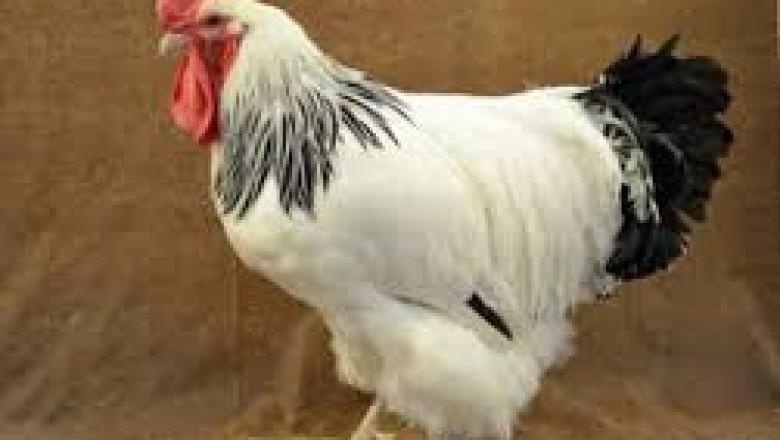
* **Plumage Varieties:** The most common are **Light Sussex (white with black neck and tail feathers)**, **Speckled Sussex (rich brown with white speckles)**, and **Red Sussex**. Other varieties include Buff, Silver, White, and Coronation.
* **Body Size:** Medium to large frame; roosters weigh **3.5–4.1 kg**, hens weigh **2.7–3.2 kg**.
* **Comb:** Single, medium to large in size, bright red.
* **Wattles & Earlobes:** Red, matching the comb.
* **Legs & Skin:** White legs with pinkish-white skin, enhancing their desirability as table birds.
* **Temperament:** Gentle, calm, and easy to handle, making them excellent for families and beginners.
The Sussex’s attractive plumage and docile nature make it as much a show bird as it is a productive farm bird.
---
= Egg Production Traits
Sussex hens are **excellent layers for a dual-purpose breed**, producing a steady supply of large eggs throughout the year.
* **Annual Egg Output:** 240–280 eggs under good management.
* **Egg Shell Color:** Light brown to creamy.
* **Egg Size:** Large, averaging **60–65 grams**.
* **Sexual Maturity:** Begin laying at **20–22 weeks**.
* **Broodiness:** Some Sussex hens retain a natural inclination to brood, making them useful for natural hatching.
Their reliable egg production, combined with calm behavior, makes them highly valued in smallholder systems.
---
= Meat Production Traits
The Sussex chicken has historically been prized as a **meat bird**, with table qualities that rival specialized broilers.
* **Market Weight:** Cockerels reach **3.5–4 kg** by 18–20 weeks.
* **Meat Quality:** White-skinned, tender, and flavorful, with excellent roasting qualities.
* **Carcass Yield:** High, with good breast meat proportion.
This dual-purpose balance ensures farmers get both **steady egg supplies and valuable meat** from the same breed.
---
= Feed Efficiency
Sussex chickens are efficient and economical to keep:
* **Feed Intake:** 120–130 grams of feed per adult bird daily.
* **Conversion Rate:** Reasonably good feed-to-egg and feed-to-meat conversion.
* **Foraging Ability:** Excellent foragers, reducing feed costs in free-range systems by supplementing diets with insects, seeds, and greens.
Their thriftiness makes them particularly valuable in low-input farming systems.
---
= Management and Housing
The Sussex chicken is low-maintenance and highly adaptable:
1. **Housing:**
* Thrives in both free-range and confined systems.
* Requires secure housing to protect from predators.
2. **Feeding:**
* Balanced diet with **16–18% protein** for egg-layers.
* Calcium supplements (crushed oyster shell) help strengthen eggshells.
3. **Lighting:**
* Benefit from **14–16 hours of light daily** during peak laying periods.
4. **Health:**
* Generally hardy, with strong disease resistance.
* Require routine vaccinations and parasite control in larger flocks.
5. **Climate Tolerance:**
* Tolerant of both cold and warm climates.
* Dense plumage provides insulation in colder regions.
---
= Advantages of Sussex Chickens
The Sussex chicken has many strengths, making it a favorite breed worldwide:
* **Dual-Purpose Qualities:** Reliable egg layers and excellent table birds.
* **Calm Temperament:** Docile and friendly, ideal for families and novice poultry keepers.
* **Attractive Appearance:** Comes in beautiful feather patterns.
* **Foraging Skills:** Good free-rangers that cut feed costs.
* **Broodiness (optional):** Some hens make excellent natural mothers.
* **Year-Round Productivity:** Steady egg laying, even in cooler months.
---
= Limitations of Sussex Chickens
Despite their versatility, Sussex chickens have some limitations:
* **Not Highly Specialized:** Egg output lower than commercial layers; growth slower than broilers.
* **Feed Needs:** Require good nutrition to maintain productivity.
* **Broodiness:** While useful for natural hatching, it can reduce egg-laying efficiency if excessive.
* **Weight Gain:** Can become overweight in confinement without exercise.
---
= Economic Importance
The Sussex chicken remains important in both traditional and modern poultry farming:
* **Backyard and Smallholder Farms:** Provide families with both eggs and meat, contributing to food security.
* **Commercial Role:** Production strains are sometimes used in semi-commercial systems, especially in organic and free-range farming.
* **Show and Exhibition:** Their beautiful plumage and heritage value make them popular in poultry shows.
* **Genetic Contribution:** Used in breeding programs for dual-purpose and free-range hybrids.
---
= Role in Sustainable Farming
The Sussex chicken is especially valued in **sustainable and organic systems**:
* Excellent foragers reduce reliance on purchased feed.
* Naturally hardy, requiring fewer veterinary interventions.
* Long productive lifespan reduces frequent flock replacement.
* Broodiness can support natural hatching without incubators.
This makes the Sussex an ideal choice for farmers who prioritize **self-sufficiency and eco-friendly farming practices**.
---
= Conclusion
The **Sussex chicken** stands as a symbol of balance, beauty, and utility in poultry farming. With its roots in ancient England and centuries of refinement, it remains one of the most reliable dual-purpose breeds. Its **large brown eggs, high-quality meat, gentle temperament, and resilience** make it an outstanding choice for both smallholder and semi-commercial farmers.
While modern specialized breeds dominate industrial egg and meat production, the Sussex retains its importance in **backyard farming, sustainable agriculture, and heritage poultry conservation**. For farmers seeking a dependable, attractive, and versatile bird, the Sussex chicken continues to prove that it is truly a **breed for all purposes**.











Comments
0 comment