
 7 months ago
99
7 months ago
99

.jpeg)
.png)
This article provides practical guidance for organic potato farming, focusing on sustainable cultivation practices. It covers propagation, soil preparation, planting, and fertilization to help farmers achieve high-quality yields. The guide emphasizes natural methods to ensure healthy crops and environmental sustainability.
Organic potato farming prioritizes disease-free seed tubers and proper soil management. By avoiding synthetic inputs, farmers can produce nutritious potatoes while maintaining soil health. This guide offers clear steps for smallholder farmers to succeed in organic potato production.
The following sections detail key practices for growing potatoes organically. From selecting seed tubers to managing nutrients, these methods promote eco-friendly farming. Adopting these practices ensures better yields and access to premium organic markets.
Read Also : Fish Pond and It’s Associated Health Hazards
Propagation and Seed Selection

Propagation is the foundation of successful potato farming. Using high-quality seed tubers ensures healthy crops and better yields. This section explains how to select and prepare seed tubers for optimal growth in organic systems.
Choosing the right seed tubers is critical for organic potato farming. Disease-free, well-sprouted tubers lead to strong plants. The following subheadings outline key considerations for seed selection and preparation to maximize productivity.
A. Seed Tuber Requirements
Potato cultivation begins with planting tubers. Purity of cultivars and healthy seed tubers are essential for success. Seed tubers are the costliest input, so choosing disease-free, well-sprouted tubers weighing 30 to 40 grams is vital.
Tubers should be 2-3 months old from harvest for the right physiological age. This ensures they are ready for planting and can produce strong, healthy plants. Proper selection reduces the risk of crop failure and boosts yield.
High-quality seed tubers improve plant stands and resistance to adverse conditions. Organic farmers must prioritize certified tubers to maintain crop purity and avoid diseases that could impact production.
B. Warming Seed Tubers
1. Warming Process: Warm seed tubers to 10-15.6°C before handling or cutting to minimize bruising. This should be done 7-14 days before planting.
2. Avoiding Condensation: Tubers stored at 4.4°C develop condensation when planted in warmer soil, leading to seed piece decay, especially in cut seed.
3. Storage Handling: Never plant tubers directly from 4.4°C storage. Gradual warming prevents moisture buildup and ensures healthy seed pieces for planting.
4. Cut Seed Care: Freshly cut or properly healed seed pieces perform as well as whole tubers, provided they are warmed correctly before planting.
C. Seed Type and Size
1. Whole Seed Tubers: Uncut, small tubers (43-85 grams) reduce disease spread during cutting and ensure better plant stands under tough conditions.
2. Cut Seed Risks: Cutting tubers smaller than 85 grams results in pieces under 43 grams, causing waste and poor productivity due to fewer stems.
3. Large Tuber Issues: Tubers over 255-284 grams may produce blind seed pieces without eyes, especially in cultivars with uneven eye distribution.
4. Optimal Size: Seed pieces of 43-85 grams balance productivity, planter performance, and seed cost, avoiding issues like excessive stems or small tubers.
Soil Preparation

Soil preparation sets the stage for healthy potato growth. Proper tillage and timing improve soil structure and reduce erosion risks. This section covers effective methods for preparing land in organic potato farming.
Organic farmers must balance soil health with practical tillage practices. Autumn and spring preparations each have benefits and challenges. The subheadings below detail how to prepare soil for optimal potato production.
A. Autumn Tillage
Autumn ploughing uses a mouldboard or chisel plow to prepare soil. It reduces spring workload and promotes warmer soil temperatures for earlier planting. The freezing and thawing of winter break up clods, improving tilth.
However, autumn tillage increases erosion risk on exposed soil, especially on sloping lands. To prevent erosion, plough sloping fields in spring or use strip and contour ploughing to protect soil structure.
Autumn bedding allows growers to irrigate, fertilize, plow, and form beds in fall. These beds are planted in spring, saving time when labor is more available.
B. Spring Tillage
In spring, ploughed fields are disked or harrowed before planting, as soon as conditions allow. Broadcasting fertilizer before tillage ensures even nutrient distribution for the growing crop.
On irrigated fields, dammer-diking equipment creates small basins between rows during final cultivation. This prevents water runoff and promotes uniform infiltration, improving water efficiency in organic systems.
Spring tillage on sloping lands reduces erosion compared to autumn ploughing. It ensures soil is ready for planting while maintaining structure and minimizing environmental impact.
C. Erosion Control Measures
1. Strip and Contour Ploughing: These methods reduce erosion on sloping lands by following natural land contours, preserving soil integrity.
2. Avoiding Autumn Exposure: Ploughing in spring minimizes the time soil is exposed, reducing erosion risks on vulnerable fields.
3. Bed Formation: Forming beds in autumn or spring helps manage water and nutrients, supporting healthy potato growth while preventing soil loss.
4. Dammer-Diking: Using dammer-diking equipment in irrigated areas creates basins to hold water, reducing runoff and ensuring even soil moisture.
Read Also: Types and Recommended Duration for your Physical Activity
Planting Practices

Planting practices directly impact potato crop success. Proper timing, depth, and spacing optimize growth and yield. This section outlines organic planting techniques to ensure healthy potato development.
Organic potato planting requires careful attention to environmental conditions and seed placement. The following subheadings provide guidance on timing, depth, and spacing for maximum productivity.
A. Planting Period
Planting time varies by region, weather, cultivar, and market needs. Most potatoes are planted from April to early June, though some regions plant from November to February or March to April.
Soil temperatures should be 7-21°C for planting. Moist, but not overly wet, soils are ideal. In irrigated desert areas, pre-planting irrigation adds moisture to dry soils.
Avoid planting in excessively cold, hot, wet, or dry soils to prevent seed piece decay. Early planting within reasonable limits can increase yield and dry matter potential.
1. Regional Variations: Planting from November to February suits some areas, while March to April works for others, depending on local conditions.
2. Avoiding High Temperatures: November and December plantings are avoided due to high temperatures and long day lengths, which hinder growth.
B. Planting Depth
Deeper planting supports high yields and larger tubers by providing a protective soil layer. This reduces tuber greening from sun exposure and protects against temperature and moisture extremes.
Shallow planting may reduce early-season moisture and increase undersized or green tubers, lowering marketable yields. Deeper planting improves moisture retention and tuber size.
However, deeper planting can delay plant emergence and increase soil volume for harvesters. Ridging or hilling during growth prevents greening and aids stolon development.
1. Ridging Practices: Build ridges gradually or in one operation to enhance stolon growth and facilitate harvesting.
2. High Ground Planting: In low, humid areas, plant seed above row level to protect against excess water from poor drainage.
C. Seed Spacing
1. Spacing Impact: Seed piece spacing affects tuber size. Closer spacing (18-23 cm) suits cultivars with low tuber sets to reduce oversized tubers.
2. Row Widths: Rows typically range from 76-91 cm, adjusted based on cultivar, market needs, and growing conditions like irrigation and soil type.
3. Market-Driven Spacing: Adjust in-row spacing (15-35 cm) to meet consumer demand for specific tuber sizes, maximizing economic returns.
4. Avoiding Defects: Closer spacing prevents defects like hollow heart or growth cracks in oversized tubers, improving quality and yield.
Fertilization and Nutrient Management
Fertilization is crucial for tuber quality and plant health in organic potato farming. Proper nutrient balance prevents deficiencies and excesses. This section covers organic nutrient management to support robust potato growth.
Organic farmers rely on natural fertilizers to maintain soil fertility. The subheadings below detail how nutrient imbalances affect tubers and how to manage fertilization effectively.
A. Nutrient Effects on Tubers
Tuber quality depends on balanced nutrition. Phosphorus deficiency or nitrogen and potassium excesses can lower specific gravity, affecting tuber quality and marketability.
Excess nitrogen delays tuberization, slows skin development, and increases disease risk. Fluctuating nitrogen supply can cause misshapen tubers, brown center, or hollow heart.
Potassium deficiency leads to black spot bruising, darkened color, and storage issues. Calcium deficiency is linked to internal brown spot, reducing tuber quality.
B. Organic Fertilization Practices
1. Broadcasting Fertilizer: Apply organic fertilizers like compost or manure before spring tillage to ensure even nutrient distribution across the field.
2. Timing Applications: Some growers broadcast a portion of fertilizer after planting but before cultivation to supplement soil nutrients effectively.
3. Avoiding Excesses: Monitor nitrogen levels to prevent excessive vine growth, which can increase disease susceptibility and affect tuber quality.
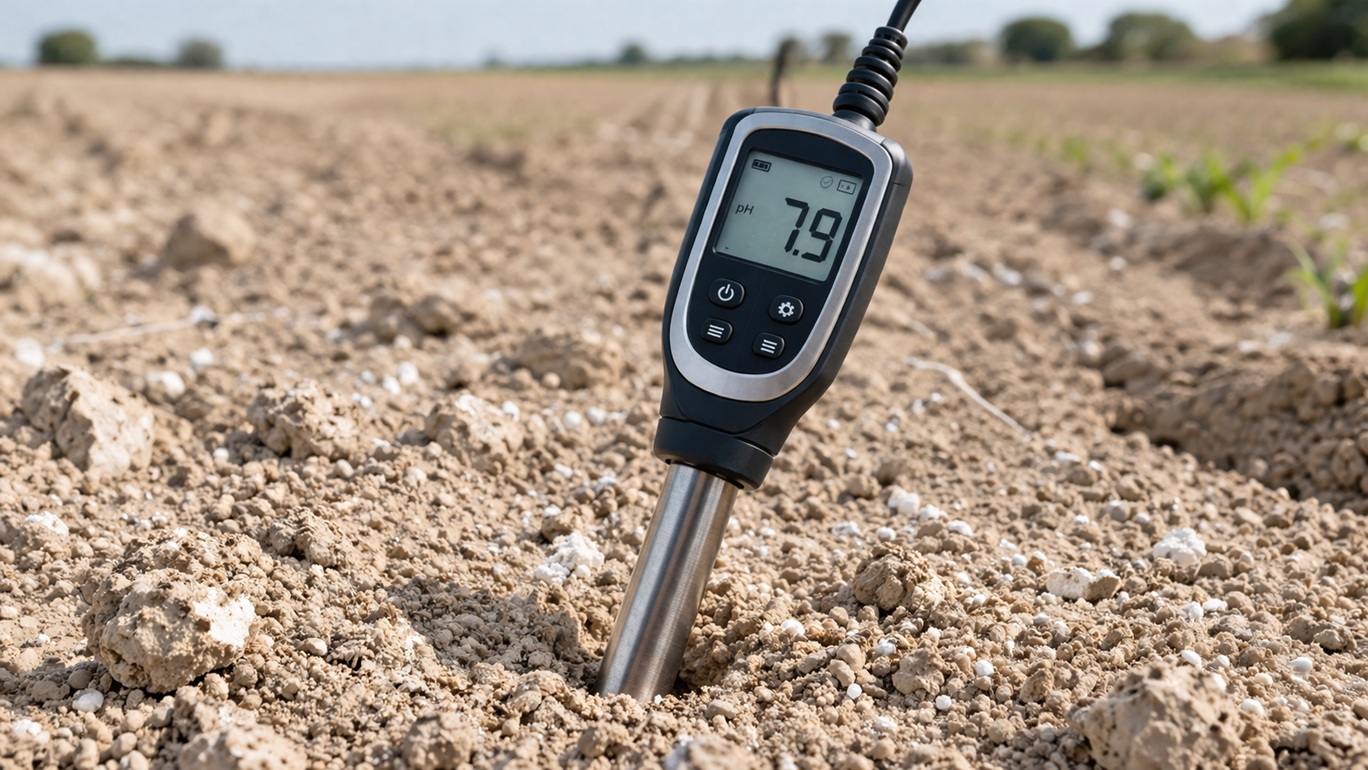
4. Soil Testing: Regular soil testing helps identify nutrient deficiencies, allowing farmers to apply organic amendments like bone meal for phosphorus or wood ash for potassium.
C. Nutrient Management Strategies
1. Balanced Nutrition: Use organic matter like compost to provide a steady nutrient supply, avoiding excesses that harm tuber development.
2. Crop Monitoring: Observe plant growth to detect nutrient deficiencies early, adjusting organic inputs to maintain healthy development.
3. Soil Health Focus: Incorporate green manures or cover crops between seasons to enhance soil fertility and structure for long-term productivity.
4. Documentation: Keep records of fertilizer applications to ensure compliance with organic standards and track nutrient inputs for better management.
Frequently Asked Questions
1. What are the best seed tubers for organic potato farming?
Choose disease-free, well-sprouted tubers weighing 30-40 grams, 2-3 months old from harvest, to ensure healthy plants and high yields.
2. Why is autumn tillage beneficial?
Autumn tillage warms soil, breaks up clods, and reduces spring workload, but it increases erosion risk if soil is left exposed.
3. How does planting depth affect potato crops?
Deeper planting protects tubers from greening and temperature extremes, improving yield, while shallow planting may increase undersized or green tubers.
4. What is the ideal planting time for potatoes?
Plant when soil temperatures are 7-21°C, typically April to June, avoiding excessively cold, hot, wet, or dry conditions to prevent seed decay.
5. How does seed spacing impact tuber size?
Closer spacing (18-23 cm) reduces oversized tubers, while wider spacing increases tuber size, depending on cultivar and market needs.
6. Why is nutrient balance important in organic potato farming?
Balanced nutrition prevents deficiencies or excesses that cause low specific gravity, misshapen tubers, or increased disease susceptibility.
7. How can organic farmers manage weeds without chemicals?
Use ridging, hilling, or pre-emergence mulching to control weeds, and consider dragging off ridges before emergence for added weed control.
8. What are the risks of improper fertilization?
Excess nitrogen delays tuberization and increases disease risk, while deficiencies in phosphorus, potassium, or calcium cause quality issues like bruising or hollow heart.
Do you have any questions, suggestions, or contributions? If so, please feel free to use the comment box below to share your thoughts. We also encourage you to kindly share this information with others who might benefit from it. Since we can’t reach everyone at once, we truly appreciate your help in spreading the word. Thank you very much for your support and for sharing!






.png)
