
 7 months ago
108
7 months ago
108

.jpeg)
.png)
Potatoes are a vital crop in South Africa, supporting food security and economic growth. This article explores the classification, origin, production areas, botany, cultivars, and climatic and soil requirements of potatoes. It provides practical insights for farmers to optimize potato cultivation.
Introduction to Potato Classification
Understanding the classification of potatoes is essential for effective farming. This section details their scientific and common names, family, and growth characteristics, providing a foundation for successful cultivation.
A. Scientific and Common Names
1. Classification Details: The potato’s scientific name is Solanum tuberosum L. Common names include table potato and Irish potato. It belongs to the Solanaceae family, known for its diverse vegetable crops.
2. Growth Characteristics: Potatoes are classified as annuals but can persist vegetatively as tubers from one season to the next, allowing farmers to replant tubers for continuous production.
3. Importance of Classification: Knowing the potato’s classification helps farmers select appropriate varieties and understand their growth patterns, ensuring better management and higher yields.
B. Practical Applications
1. Farming Implications: Classification informs seed selection and planting strategies, critical for aligning cultivation with market demands.
2. Varietal Selection: Understanding the Solanaceae family aids in choosing cultivars suited to specific climates and soil types.
3. Crop Management: Recognizing the annual yet persistent nature of potatoes guides farmers in planning crop cycles effectively.
Origin and Economic Impact
Potatoes have a rich history in South Africa, evolving into a major agricultural sector. This section explores their introduction and economic significance.
A. Historical Introduction
Legend states that potatoes first arrived in South Africa from Holland to feed mariners at the Cape. Since then, the potato industry has grown significantly, becoming a key food provider.
The potato sector now supports thousands of farmers and workers. Its growth reflects the crop’s adaptability to South Africa’s diverse climates and its importance to food security.
B. Economic Contributions
1. Production Value: Potatoes account for 43% of major vegetable production, 15% of horticultural products, and 4% of total agricultural output in South Africa.
2. Industry Scale: Approximately 1,700 potato farmers, including 400 seed growers, and 66,600 farm workers contribute to an annual harvest worth R1.6 billion.
3. Economic Impact: The potato industry supports livelihoods and drives economic activity, making it a cornerstone of South African agriculture.
4. Market Diversity: Potatoes serve fresh markets, processing industries, seed production, and specialty markets, enhancing economic resilience.
Read Also: How to Extract and Package Snail Slime (Snail filtrate) for Commercial Use
Major Production Areas

South Africa’s unique geography enables year-round potato production. This section highlights key growing regions and their classifications.
A. Regional Distribution
Potatoes are grown across South Africa in regions like Limpopo, North West, Gauteng, Mpumalanga, and the Free State. This diversity ensures a continuous supply throughout the year.
The Eastern Free State is the primary dryland production area, with 9,094 ha, while Limpopo leads in irrigated potatoes with 6,973 ha under irrigation.
The Western Free State has the most producers (174), followed by Sandveld (151) and Eastern Free State (132), reflecting widespread cultivation.
B. Harvest and Market Classifications
1. Harvest Seasons: Potatoes are classified as spring, summer, autumn, or winter harvests, allowing year-round availability.
2. Skin Types: Varieties include reds, russets, yellows, and whites, catering to diverse consumer preferences.
3. Market Uses: Potatoes are grown for fresh markets, processing, seed production, and specialty varieties for local farmer markets.
4. Consumer Access: Continuous production ensures domestic consumers have near-constant access to fresh potatoes.
Botanical Characteristics
Understanding the potato plant’s botany is crucial for effective cultivation. This section describes its roots, stems, leaves, flowers, and fruits.
A. Root System
Potato plants develop from seeds or tubers. Seed-grown plants form a slender tap root with branches, while tuber-grown plants produce adventitious roots at sprout bases.
The potato’s root system is relatively poor compared to other crops, requiring good soil conditions for optimal growth and tuber development.
Roots may also form on stolons. The root system varies from light and superficial to fibrous and deep, depending on soil and cultivar.
B. Stem and Stolon Structure
1. Stem Composition: Potato stems are round to angular, with wings or ribs that may be straight, undulate, or dentate.
2. Stolon Role: Stolons, technically rhizomes, have leaf scales and give rise to tubers at their tips or along their length.
3. Stem Variations: Stems are typically green but may appear reddish-brown or purple, with multiple main stems from tubers.
C. Leaf and Flower Characteristics
Potato leaves often form a rosette or semi-rosette habit near the soil surface, especially on short stems, aiding in plant stability.
Potato flowers are bisexual, containing calyx, corolla, male, and female elements, supporting potential seed production, though tubers are primary.
Tuberisation begins when plants are 15–20 cm high, typically 5–7 weeks after planting, and does not depend on flowering.
D. Fruit and Tuber Formation
1. Tuber Initiation: Young tubers form at stolon tips, independent of flowering, ensuring reliable crop production.
2. Fruit Role: Potato fruits are less significant, as tubers are the primary harvest, but flowers indicate plant health.
3. Growth Timeline: Tuber formation occurs early, allowing farmers to plan harvests based on plant height and growth stage.
Read Also: The Health Benefits of Using Accent Seasoning on your Cooking
Potato Cultivars

South Africa grows a range of potato cultivars suited to different growing periods. This section explores the main varieties and their popularity.
A. Cultivar Groups
Potato cultivars are divided into early (less than 100 days), medium (100–120 days), and long-season (over 120 days) groups based on growth duration.
Early cultivars like Vanderplank are popular for quick harvests. Medium-season cultivars dominate, with BP1 and Up-to-Date leading the market.
BP1 and Up-to-Date account for 77% of potatoes grown, reflecting their adaptability and consumer preference in South Africa.
B. Long-Season Cultivars
1. Examples: Long-season cultivars include Sackfiller, Late Harvest, Kimberley’s Choice, and Cedara, suited for extended growing periods.
2. Market Fit: These cultivars cater to specific markets requiring larger or specialty potatoes, enhancing farmer flexibility.
3. Regional Suitability: Long-season varieties thrive in regions with favorable climates, supporting diverse production strategies.
4. Economic Impact: Cultivar diversity allows farmers to meet varied market demands, boosting profitability.
Climatic Requirements
Potatoes thrive in specific climatic conditions, which this section outlines to guide farmers in optimizing growth.
A. Temperature Needs
Potatoes are short-day, cool-season crops but adapt to high temperatures when water is uniformly supplied to meet evapotranspiration demands.
High yields occur in areas with daytime temperatures over 38°C and cool nights around 18°C, balancing growth and tuber quality.
South Africa’s diverse climates allow year-round production, with careful water management ensuring success in warmer regions.
B. Water Management
1. Irrigation Needs: Consistent water supply is critical, especially in high-temperature areas, to support tuber development.
2. Yield Impact: Proper irrigation maximizes yields, particularly in irrigated regions like Limpopo.
3. Seasonal Adaptation: Farmers must adjust irrigation based on seasonal temperature variations to maintain crop health.
Soil Requirements
Soil conditions significantly impact potato quality and yield. This section details ideal soil types and management practices.
A. Soil Types
Potatoes grow well in deep, well-drained, friable soils. Acidic or alkaline soils are suitable, with high organic matter soils like peat producing quality tubers.
Sandy soils, when irrigated and fertilized, yield high-quality tubers for culinary and processing markets due to minimal soil structure.
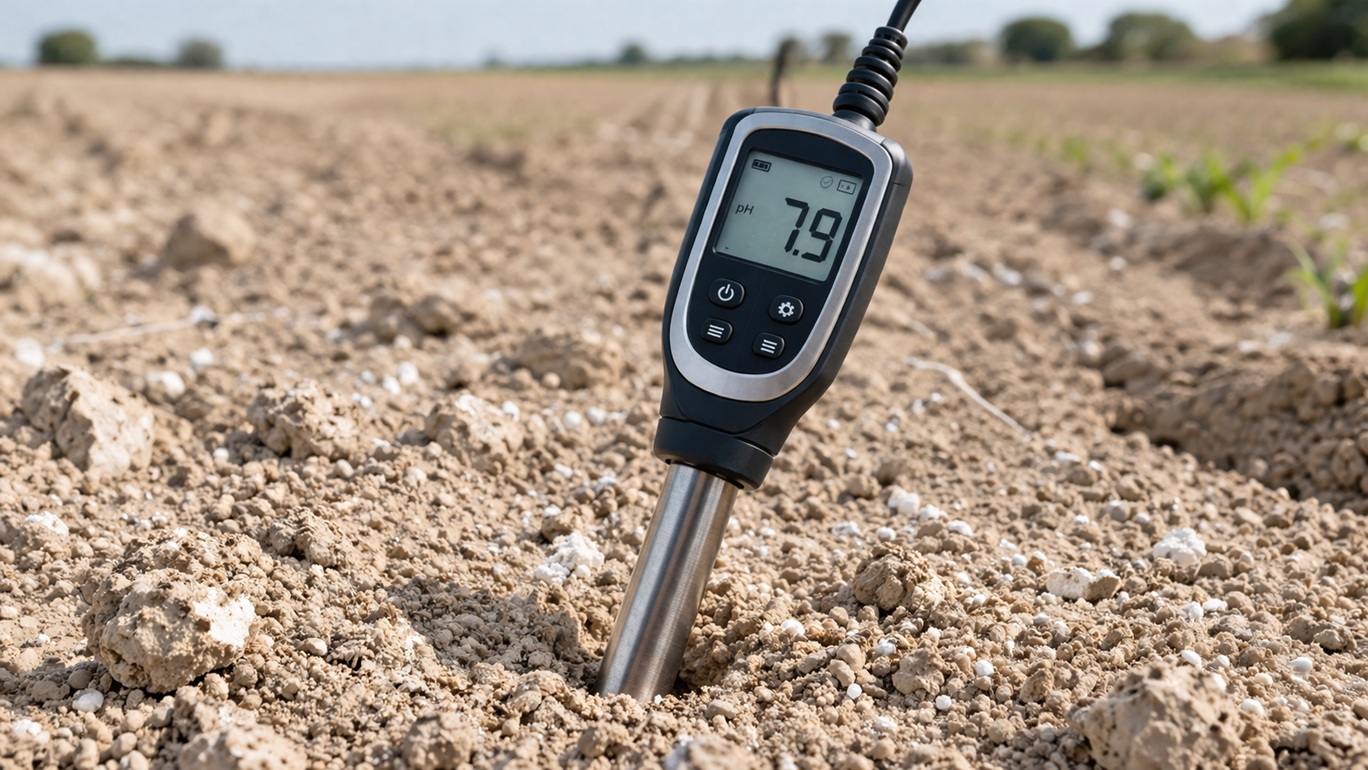
Soils with pH below 5.4 reduce common scab incidence, benefiting susceptible cultivars, though raising pH to 6.0–6.5 can enhance growth.
B. Soil Management
1. pH Control: Maintaining soil pH between 5.0–5.4 minimizes scab for susceptible cultivars, while 6.0–6.5 optimizes growth.
2. Drainage Needs: Well-drained soils prevent waterlogging, ensuring healthy root and tuber development.
3. Fertilization: Proper fertilization in sandy soils supports high yields and quality, critical for commercial production.
4. Organic Matter: High organic matter soils, if drained, enhance tuber quality, especially for fresh markets.
Frequently Asked Questions
1. What is the scientific name of the potato?
The scientific name is Solanum tuberosum L., and common names include table potato and Irish potato, part of the Solanaceae family.
2. Where did potatoes in South Africa originate?
Legend suggests potatoes came from Holland to feed mariners at the Cape, growing into a major food provider in South Africa.
3. Which regions in South Africa grow potatoes?
Potatoes are grown in Limpopo, Free State, Gauteng, Mpumalanga, and other regions, ensuring year-round supply due to diverse climates.
4. What are the main potato cultivars in South Africa?
BP1 and Up-to-Date dominate, constituting 77% of production, with Vanderplank, Sackfiller, and others catering to varied markets.
5. What climate is best for potato farming?
Potatoes thrive as cool-season crops but yield well in high temperatures (over 38°C) with cool nights (18°C) and consistent irrigation.
6. What soil types are ideal for potatoes?
Deep, well-drained, friable soils, including acidic, alkaline, or high organic matter soils, are ideal, with pH 5.0–6.5 for optimal growth.
7. How does soil pH affect potato farming?
Soil pH below 5.4 reduces common scab in susceptible cultivars, while pH 6.0–6.5 enhances overall growth and yield.
8. Why is irrigation important for potatoes?
Uniform irrigation meets evapotranspiration demands, ensuring high yields, especially in high-temperature regions like Limpopo.
Do you have any questions, suggestions, or contributions? If so, please feel free to use the comment box below to share your thoughts. We also encourage you to kindly share this information with others who might benefit from it. Since we can’t reach everyone at once, we truly appreciate your help in spreading the word. Thank you very much for your support and for sharing!







.png)
