
 7 months ago
109
7 months ago
109

.jpeg)
.png)
Effective soil management is vital for successful vegetable production. This article explores key techniques such as fracturing compacted soils, correcting acidic soils, and applying compost or manure. These methods enhance soil health, ensuring optimal nutrient availability and robust plant growth for sustainable farming.
Soil Fracturing Techniques
Fracturing is essential for loosening compacted soils, enabling vegetable roots to penetrate deeply. This process promotes effective rooting depth without disturbing the soil structure, fostering healthier plant growth and improving overall soil conditions for successful vegetable production.
A. Fracturing Process
Vegetables require loose soil for strong root systems. To fracture, move “God’s Blanket” downslope, insert a fork 30cm deep, and gently pull the handle 10cm backward until the soil loosens. Avoid lifting or turning the soil to maintain its structure.
B. Repeating the Process
Repeat fracturing every 10cm along the row line, working backward. Focus on a 20cm band above the planting rows to ensure effective rooting depth. This consistent fracturing enhances soil aeration and supports robust vegetable growth.
C. Testing Soil Compaction
Before planting, test soil compaction by inserting a fork. If it passes easily to fork depth, re-fracturing is unnecessary. If resistance is met, continue fracturing diligently. Over time, this practice, combined with compost, redeems soil health.
Read Also : Ecological Effects of Parasites on Fish
Correcting Soil Acidity

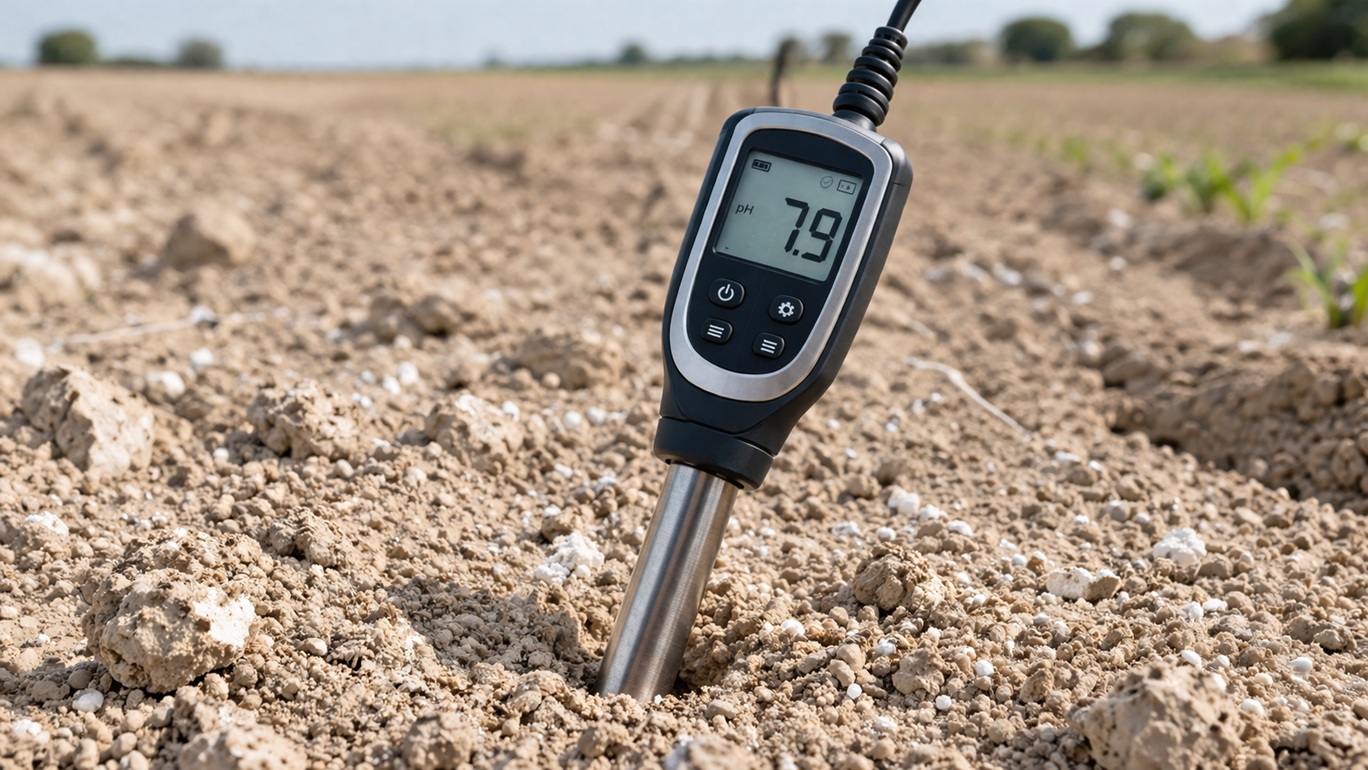
Acidic soils limit nutrient availability and hinder vegetable growth. Correcting acidity using wood ash, bonemeal, or lime is crucial. These additives neutralize soil pH, unlocking essential nutrients and promoting vibrant plant health and productivity.
A. Causes of Soil Acidity
Soil acidity arises from acid rain, ploughing, reduced organic matter, and chemical fertilizers. Acidic soils bind nutrients, restricting vegetable growth. Addressing acidity ensures plants access vital nutrients, improving leaf color, fruit quality, and overall vitality.
B. Using Wood Ash
1. Availability and Effectiveness: Wood ash, with a pH of 10-12 when wet, contains 25-50% calcium carbonates, effectively reducing acidity.
2. Nutrient Benefits: It provides macronutrients like potassium, phosphorus, calcium, magnesium, and sulfur, plus micronutrients such as iron and zinc.
3. Application Method: Sprinkle 1 tablespoon per planting station or every 60cm along the planting band for consistent results.
C. Using Bonemeal
1. Production Process: Bonemeal, made from ground animal or fish bones, is steamed, dried, and powdered. It’s costly but can be homemade.
2. Nutrient Content: High in calcium (25%) and phosphorus (12%), it enhances crop color and health with slow-release nutrients.
3. Application Rate: Apply 1 tablespoon per planting station, noting its limited impact on soil pH adjustment.
D. Using Agricultural Lime
1. Composition: Lime, derived from limestone, contains calcium carbonates, while dolomitic lime includes magnesium carbonates, effectively raising soil pH.
2. Strength and Application: Stronger than wood ash, apply 1 teaspoon per planting station or every 60cm, halving wood ash volumes.
3. Trial Recommendation: Use wood ash for two seasons, then conduct trials to assess visible benefits in crop performance.
Read Also : Fish Ponds and Public Health in General
Applying Compost and Manure

Choosing between compost and manure depends on available resources. Surface composting mimics natural nutrient release, while manure or low-volume compost suits specific planting methods. Both approaches enhance soil fertility, supporting sustainable vegetable production.
A. Surface Composting
1. Natural Design: Surface composting mimics God’s creation, feeding plants through decomposed organic matter, releasing stable nutrients over time.
2. Compost Quality: Use high-quality, aerobic compost with 45% green, 10% woody, 35% dry, and 10% manure ratios for vegetable production.
3. Application Process: Move blanket downslope, fracture soil, correct pH, apply 2-5cm compost bands (10cm for single rows, 25-40cm for multi-rows), press furrows, plant, and cover.
B. Manure or Low-Volume Compost
1. Usage Limitation: Manure risks burning seeds or seedlings, requiring a 3cm soil separation layer to safely deliver nitrogen.
2. Application Method: Dig planting stations, furrows, or basins, add 500ml manure or compost, cover with a 3cm soil layer, then plant.
3. Soil Preparation: Move blanket downslope, fracture to 30cm, correct pH, and apply inputs to ensure nutrient availability without harm.
C. Long-Term Benefits
1. Soil Improvement: Surface composting enhances soil health season after season, though initial crop performance may be suboptimal.
2. Nutrient Sufficiency: For carrots or onions, residual nutrients from prior composting may suffice, depending on soil fertility.
3. Consistent Application: Diligent application of compost or manure ensures high nutrient availability, promoting robust vegetable growth over time.
Frequently Asked Questions
1. Why is fracturing soil important for vegetables?
Fracturing loosens compacted soil, allowing roots to penetrate deeply, improving nutrient uptake and plant growth.
2. How often should I test soil compaction?
Test before each planting by inserting a fork. If it passes easily to 30cm, fracturing isn’t needed.
3. What causes soil acidity?
Acidity results from acid rain, ploughing, low organic matter, and chemical fertilizers, limiting nutrient availability.
4. How does wood ash benefit soil?
Wood ash raises soil pH and provides macronutrients (potassium, calcium) and micronutrients (iron, zinc) for plant health.
5. Can I use fresh manure directly on vegetables?
No, fresh manure may burn seeds or seedlings. Use a 3cm soil separation layer to apply it safely.
6. What is the ideal compost composition for vegetables?
Use 45% green, 10% woody, 35% dry, and 10% manure for nutrient-rich, bacteria-dominated compost.
7. How much lime should I apply?
Apply 1 teaspoon of lime per planting station or every 60cm, half the volume of wood ash.
8. How does surface composting improve soil?
It mimics natural decomposition, releasing stable nutrients and inoculating soil with beneficial bacteria and fungi.







.png)
