




=# Origins and History
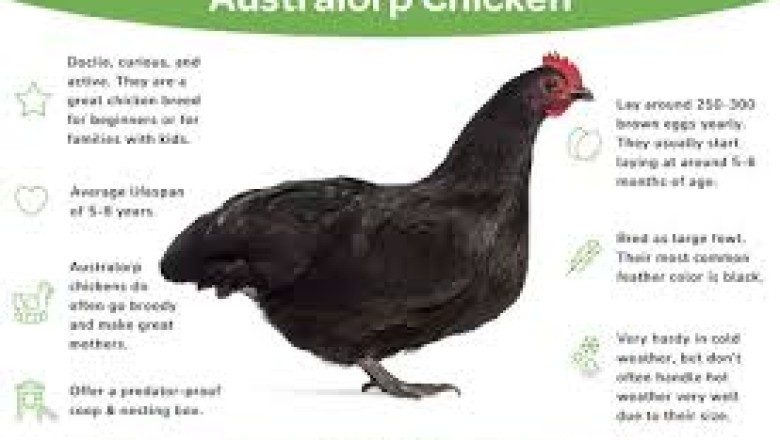
The Australorp breed was developed in Australia in the 1920s. Its creation involved crossbreeding **Black Orpingtons**, imported from England, with local strains to improve egg-laying performance. The result was a hardy, productive, and visually striking bird with glossy black plumage, pinkish legs, and a calm temperament.
Australorps quickly gained recognition internationally when their exceptional egg-laying abilities were demonstrated in trials in the 1920s and 1930s. In fact, in 1929, an Australorp hen named Blackie set a world record by laying **364 eggs in a single year**, a feat that brought the breed worldwide attention.
Today, Australorps are still valued for both their historical significance and their consistent productivity. They are considered dual-purpose, meaning they are good for both egg production and meat, although their primary reputation remains as layers.
---
=# Physical Characteristics
Australorps are medium to large birds, with hens typically weighing **around 3.6 kg (8 lbs)** and roosters about **4–4.5 kg (9–10 lbs)**. Their plumage is solid black with a greenish sheen, giving them a striking appearance.
Key physical traits include:
* **Single comb** with five well-defined points
* **Pinkish-white legs**
* **Medium-sized, deep body** suitable for efficient egg production
* **Calm and friendly temperament**
The breed is recognized for its beauty and can also be exhibited in poultry shows, but the utility characteristics, especially egg-laying, remain a key focus.
---
=# Egg Production
Australorps are outstanding layers, particularly when managed properly. Typical production includes:
* **250–300 large, light-brown eggs per year** in backyard settings
* Exceptional individuals under optimal conditions can exceed **300–350 eggs annually**
Egg size is generally medium to large, with uniform shells and strong structure. Australorps are known for laying consistently through cooler months, which makes them a reliable source of eggs year-round.
Unlike some hybrid layers, Australorps maintain a steady laying rate over several years, with hens continuing to produce eggs well into their second and even third year.
---
=# Feed Efficiency and Management
Australorps are relatively easy to feed and maintain. They are not as demanding as some hybrid layers, making them well-suited for backyard flocks and small farms. Key management points include:
1. **Chick Stage (0–6 weeks):** Provide a high-protein starter feed to promote healthy growth and strong bones.
2. **Grower Stage (6–16 weeks):** Transition to a balanced grower feed. Avoid overfeeding to maintain optimal weight for laying readiness.
3. **Pre-Lay and Layer Stage:** Ensure hens have access to a calcium-rich diet to maintain eggshell quality. Free-range hens may require supplemental oyster shell or grit.
4. **Housing and Space:** Australorps are adaptable and do well in both free-range and confined environments, but they need sufficient space to prevent overcrowding stress.
They are generally hardy birds and tolerate a wide range of climates, from hot summers to cold winters, making them versatile for different geographic regions.
---
=# Temperament and Suitability
One of the most appealing traits of the Australorp is its calm and friendly nature. These birds are often described as:
* Docile and easy to handle
* Curious but not flighty
* Good with children and other animals
This temperament makes them ideal for backyard keepers who value both productivity and interaction with their flock. Additionally, Australorps are not overly aggressive and can be kept alongside other breeds without major issues.
However, Australorp hens are occasionally broody, which may interrupt egg-laying cycles but can be advantageous for those wishing to hatch chicks naturally.
---
=# Egg Quality and Shell Attributes
Australorp eggs are light to medium brown and have strong, durable shells. The yolks are rich in color and ideal for both consumption and baking purposes. Their steady production and shell strength make them attractive for families, small-scale producers, and hobbyists.
Unlike some hybrid layers that may produce larger quantities of eggs early on but taper off quickly, Australorps maintain a reliable laying rate for multiple years.
---
=# Adaptability to Production Systems
Australorps are incredibly versatile and can thrive in various production environments:
* **Backyard systems:** Friendly and hardy, easy to integrate with other breeds.
* **Free-range setups:** Excellent foragers who enjoy roaming and will supplement their diet naturally.
* **Small farms:** Dual-purpose nature allows for both egg and meat production.
Their hardiness and resilience to disease and temperature changes make them a breed that can perform consistently without intensive management practices.
---
=# Longevity and Lifecycle
Australorps are long-lived compared to many commercial hybrid layers. While hybrids often retire after 80–100 weeks, Australorp hens can continue laying for **3–5 years**, although egg production may decline gradually after the first 2–3 years.
This extended productive lifespan adds value for backyard and small-scale producers, as fewer replacements are needed over time.
---
=# Strengths and Considerations
**Strengths:**
* Consistent egg-laying throughout the year
* Hardy and adaptable to various climates
* Calm, friendly, and easy to manage
* Good for both eggs and meat (dual-purpose)
* Long productive lifespan
* Occasionally broody, useful for natural hatching
**Considerations:**
* Egg production is slightly lower than specialized hybrid layers
* Larger space requirements for optimal health
* Broodiness may interrupt consistent egg production if not desired
---
=# Backyard Keeper Insights
Backyard chicken enthusiasts praise Australorps for their reliability and personality. Many keepers note that the hens quickly become accustomed to human interaction and can be very affectionate. They are excellent foragers, helping to control pests and provide natural fertilization to gardens.
Their adaptability to free-range conditions, combined with their calm temperament, makes them perfect for families and hobby farmers. The occasional broodiness is appreciated by those wanting to hatch their own chicks without artificial incubators.
---
=# Conclusion
The **Australorp** is a classic breed that has stood the test of time. With a combination of impressive egg production, hardiness, and friendly behavior, Australorps remain a favorite for both commercial producers and backyard enthusiasts.
They offer a balance of productivity and longevity that is rare among layers, and their beautiful black plumage adds aesthetic value to any flock. While they may not produce as many eggs as modern hybrid layers, their reliability, adaptability, and dual-purpose nature make them one of the most versatile and valuable chicken breeds available today.










Comments
0 comment