





= Origins and History
Millets are a group of small-seeded grasses belonging to the *Poaceae* family. Unlike single-species cereals such as rice (*Oryza sativa*) or wheat (*Triticum aestivum*), millet refers to several different types of grains. Archaeological evidence suggests millet was domesticated over 7,000 years ago in both Africa and Asia.
In **China**, millet was a staple grain before rice became dominant. In **India**, it remains a traditional crop, grown widely in semi-arid regions. In **Africa**, millet is one of the oldest cultivated grains and continues to play an important role in diets, particularly in the Sahel region.
Over time, millet spread across Europe and later to the Americas, though its prominence declined in many countries with the rise of wheat and maize. Today, it is making a comeback as consumers increasingly seek healthier, gluten-free alternatives.
---
= Types of Millet
There are several species of millet, each with unique characteristics and uses:
1. **Pearl Millet (*Pennisetum glaucum*)** – The most widely grown millet, popular in Africa and India.
2. **Finger Millet (*Eleusine coracana*)** – Known for its high calcium content, widely grown in East Africa and India.
3. **Foxtail Millet (*Setaria italica*)** – One of the oldest cultivated millets, common in Asia.
4. **Proso Millet (*Panicum miliaceum*)** – Popular in China, Eastern Europe, and the U.S.
5. **Barnyard Millet (*Echinochloa esculenta*)** – Fast-growing and cultivated in Asia.
6. **Little Millet (*Panicum sumatrense*)** – Grown mainly in India.
7. **Kodo Millet (*Paspalum scrobiculatum*)** – A drought-resistant variety.
These diverse types of millet reflect the adaptability of the crop and its widespread significance.
---
= Plant Characteristics
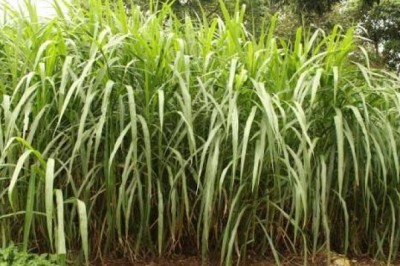
Millets are hardy annual grasses with small seeds. They grow quickly—many varieties mature within 60–90 days, making them an ideal crop for regions with short growing seasons. Millets are tolerant to poor soils, drought, and high temperatures. Unlike water-intensive crops such as rice, millet requires minimal irrigation, which contributes to its sustainability.
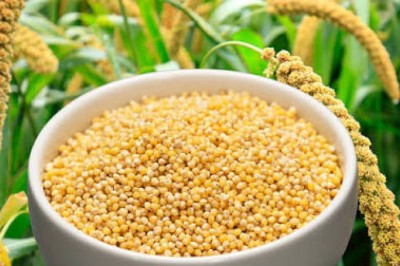
The grains are typically small, round, and vary in color—ranging from white and yellow to red, brown, or gray, depending on the variety.
---
= Nutritional Value
Millet is a nutrient-dense grain, offering an impressive array of health benefits. Key nutritional highlights include:
* **Carbohydrates**: A good source of complex carbohydrates for sustained energy.
* **Protein**: Contains 9–12% protein, with a better amino acid profile compared to maize.
* **Fiber**: Rich in dietary fiber, supporting digestive health.
* **Minerals**: High in calcium, iron, magnesium, zinc, and phosphorus.
* **Vitamins**: Provides B-vitamins, especially niacin (B3), thiamine (B1), and riboflavin (B2).
* **Antioxidants**: Contains phenolic compounds that protect against oxidative stress.
* **Gluten-Free**: Naturally safe for those with celiac disease or gluten intolerance.
Finger millet, in particular, is celebrated for its exceptionally high calcium content, making it valuable for bone health.
---
= Millet in Human Diets
Millet is consumed in a wide variety of ways across different cultures:
* **Flour**: Ground into flour and used for flatbreads, rotis, pancakes, and porridges.
* **Cooked Grains**: Prepared like rice, eaten as a side dish or in pilafs.
* **Porridge**: Common in Africa and Asia, often served as a breakfast staple.
* **Fermented Foods**: Used to make beers, wines, and traditional dishes.
* **Baked Goods**: Increasingly used in gluten-free breads, cakes, and cookies.
* **Snacks**: Puffed or popped millet is popular as a light snack.
In **India**, millet is integral to traditional diets, where dishes like *ragi mudde* (finger millet balls) and *bajra roti* (pearl millet flatbread) are common. In **Africa**, millet porridge and beer are dietary staples. In **Western countries**, millet is now featured in breakfast cereals, energy bars, and health-focused products.
---
= Millet in Animal Feed
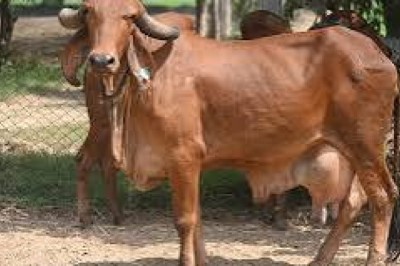
Apart from human consumption, millet is also used as feed for poultry, cattle, and other livestock. Proso millet, in particular, is a popular feed grain in the United States. Its quick growth and adaptability make it an affordable and reliable animal feed option.
---
= Industrial Uses of Millet
Millet is not just a food and feed crop—it also has industrial applications:
* **Alcohol Production**: Used in brewing traditional beers and distilled spirits.
* **Biofuels**: Like sorghum, certain varieties can be used in ethanol production.
* **Processed Foods**: Increasingly used in the production of gluten-free flours and packaged foods.
---
= Millet and Climate Resilience
Millet is often called a “climate-smart crop” because of its ability to thrive in conditions where other cereals fail. Its resilience to drought and high temperatures makes it especially important for food security in regions vulnerable to climate change.
In addition, millet requires fewer inputs (such as water and fertilizers), making it an environmentally sustainable choice. This aligns with global efforts to promote sustainable agriculture and reduce the environmental impact of food production.
---
= Economic Importance
Millet provides livelihood to millions of farmers worldwide, especially smallholder farmers in Africa and Asia. India is the largest producer of millet, followed by several African nations. In the U.S. and Europe, millet production is smaller but steadily growing due to increasing consumer demand for gluten-free and health-oriented foods.
The **United Nations recognized 2023 as the International Year of Millets**, promoting awareness about its nutritional and ecological benefits. This global recognition has boosted interest in millet cultivation and consumption.
---
= Challenges in Millet Production
Despite its strengths, millet faces several challenges:
* **Lower Yields**: Compared to maize, wheat, and rice, millet yields are often lower.
* **Limited Awareness**: In many regions, millet is considered a “poor man’s crop,” limiting its market potential.
* **Processing Difficulties**: The small grains can be harder to mill compared to wheat or rice.
* **Policy and Research Gaps**: Millet has historically received less research and development investment than major cereals.
Addressing these issues will be key to making millet a mainstream grain globally.
---
= Future Prospects of Millet
The future of millet looks promising. With growing awareness of health and environmental issues, millet is set to play a bigger role in global diets. Health-conscious consumers are embracing millet for its gluten-free and nutrient-rich profile. Governments and international organizations are also promoting millet cultivation as a solution to food insecurity in arid regions.
Research into high-yield, pest-resistant varieties is underway, and investment in millet-based products is expanding. From baby foods to energy snacks, millet is carving out a niche in modern markets while retaining its importance in traditional diets.
---
= Conclusion
Millet is a grain of the past, present, and future. For thousands of years, it has sustained civilizations in Asia and Africa, offering nourishment in some of the harshest climates. Today, it is being rediscovered as a nutrient-dense, gluten-free grain that supports both human health and environmental sustainability.
As the world grapples with climate change, population growth, and food security challenges, millet stands out as a resilient, versatile, and sustainable crop. Whether served as a humble porridge in rural Africa, a traditional flatbread in India, or a health-conscious cereal in Western supermarkets, millet continues to prove its global value.









Comments
0 comment