





This remarkable plant isn’t just for panda habitats or ornamental gardens — it’s a major commercial crop with growing demand in eco-friendly markets worldwide. Whether cultivated for its **strong, flexible timber** or its **nutritious shoots**, bamboo offers farmers and entrepreneurs a sustainable and profitable opportunity.
This article explores everything you need to know about bamboo: its history, types, uses, cultivation, environmental benefits, and the emerging global market that’s redefining it as one of the most valuable green resources of the 21st century.
---
=# 🎋 A Brief History of Bamboo
Bamboo has been used by humans for over 5,000 years, especially in Asia, Africa, and South America. Ancient civilizations in China, India, and Japan relied on bamboo for building materials, musical instruments, and tools. In many cultures, it symbolizes **resilience and prosperity** due to its strength and rapid growth.
Over time, bamboo evolved from a traditional building material into a **modern industrial crop**. Today, it’s used in furniture, paper, flooring, fabrics, and biofuel. China is the global leader in bamboo cultivation and exports, while other regions — including Africa and Latin America — are rapidly expanding their bamboo industries to tap into growing global demand.
---
=# 🌿 Botanical Overview
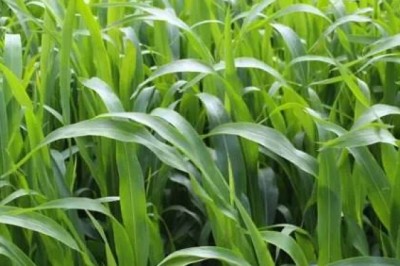
Bamboo is a member of the **Poaceae (grass)** family — making it technically a grass rather than a tree. It grows in clumps or running groves, with hollow stems (culms) and underground rhizomes. Some species can grow more than 1 meter per day, making bamboo one of the fastest-growing plants on Earth.
* **Scientific Family:** Poaceae
* **Common Genera:** *Bambusa*, *Dendrocalamus*, *Phyllostachys*, *Gigantochloa*
* **Crop Type:** Multipurpose perennial grass
* **Products:** Timber (culms), shoots (food), fiber (industrial use)
---
=# 🌱 Types of Bamboo Cultivation
Bamboo is primarily grown for **two main purposes** — **timber (culms)** and **edible shoots** — though the same plantation can often serve both purposes.
== 1. **Bamboo for Timber (Culms)**
Bamboo timber is prized for its **strength, flexibility, and light weight**. Mature culms are harvested after 3–5 years for use in:
* Construction and scaffolding
* Furniture and flooring
* Paper pulp and fiber composites
* Charcoal and bioenergy
The **culms** are harvested selectively to allow the plant to regenerate naturally, ensuring sustainable production year after year.
== 2. **Bamboo for Shoots (Food)**
Young bamboo shoots are a **nutritious delicacy**, especially in Asian and African cuisines. They are rich in fiber, potassium, and antioxidants, and have a mild, crisp flavor.
* **Harvest Period:** Typically 30–60 days after emergence
* **Processing:** Shoots must be peeled, boiled, or fermented to remove natural toxins before consumption.
* **Products:** Fresh shoots, canned or pickled bamboo, bamboo shoot powder for health foods.
---
=# 🌾 Ideal Growing Conditions
Bamboo grows well in **tropical, subtropical, and temperate regions**, making it adaptable to diverse environments.
* **Temperature:** 20°C–35°C (tolerates mild frost in some species)
* **Rainfall:** 1,000–2,500 mm annually
* **Soil:** Well-drained loamy soil with pH 5.5–7.5
* **Sunlight:** Prefers full sun but tolerates partial shade
* **Altitude:** Up to 2,500 meters above sea level
Bamboo’s deep-rooted rhizome system allows it to **withstand drought and prevent soil erosion**, making it ideal for marginal lands and reforestation projects.
---
=# 🌿 Cultivation and Management Practices
== 1. **Propagation**
Bamboo can be propagated by:
* **Rhizome division:** Splitting mature clumps into smaller sections for replanting.
* **Culms cuttings:** Using stem cuttings with nodes.
* **Tissue culture:** For large-scale commercial plantations.
== 2. **Planting**
Planting is usually done at the beginning of the rainy season. Spacing depends on the species and purpose:
* **For timber:** 3–5 meters between plants
* **For shoots:** 1.5–3 meters between plants
== 3. **Fertilization and Maintenance**
Bamboo thrives with regular organic manure and moderate nitrogen application. Mulching helps retain soil moisture. Weeding and pruning are essential during early growth stages.
== 4. **Harvesting**
* **Culms:** Harvest after 3–5 years for timber or fiber.
* **Shoots:** Harvest within 1–2 months after emergence.
Cutting older culms promotes the growth of new ones, ensuring continuous yield.
---
=# 🪵 Uses of Bamboo Timber
Bamboo’s **mechanical strength, flexibility, and light weight** make it a sustainable replacement for wood in multiple industries.
== 🏠 1. **Construction and Housing**
* Poles and panels for walls, floors, and roofs
* Scaffolding and support structures
* Bamboo-reinforced concrete (eco-building innovation)
== 🪑 2. **Furniture and Crafts**
* Chairs, tables, and decorative items
* Flooring and panel boards
* Handicrafts and household goods
== 📄 3. **Paper and Fiber Industry**
Bamboo is an excellent **pulp source** for paper manufacturing and bio-composites. Its fibers are used to make soft, breathable fabrics — often marketed as **bamboo textiles**.
== 🔥 4. **Bioenergy and Charcoal**
Bamboo biomass can be converted into **biochar, pellets, and bioethanol**, offering renewable energy solutions for rural areas.
---
=# 🥢 Uses of Bamboo Shoots
Bamboo shoots are a **high-value specialty food crop**. They are low in fat, rich in dietary fiber, and contain essential minerals such as potassium, magnesium, and zinc.
* Consumed fresh, canned, or fermented
* Used in soups, curries, stir-fries, and pickles
* Popular in Asian cuisine and increasingly in African and Western health food markets
The shoot market offers **quick returns**, as they can be harvested annually and sold fresh or processed for export.
---
=# 🌍 Environmental Benefits of Bamboo
Bamboo is not only profitable but also **environmentally regenerative**, making it a model for sustainable agriculture and forestry.
1. **Rapid Carbon Sequestration:** Bamboo absorbs up to 12 tons of CO₂ per hectare per year.
2. **Soil and Water Conservation:** Its extensive root system prevents erosion and improves water infiltration.
3. **Biodiversity Support:** Bamboo plantations create habitats for various wildlife species.
4. **Renewability:** Unlike trees, bamboo regenerates naturally after cutting, requiring no replanting.
5. **Low Input Farming:** Minimal pesticides and fertilizers are needed once established.
Because of these qualities, bamboo is often promoted in **climate-smart agriculture** and **reforestation programs** around the world.
---
=# 💰 Economic Importance and Global Market
The **global bamboo industry** is valued at over **USD 70 billion**, with markets expanding rapidly in Asia, Africa, and Latin America.
* **Major Producers:** China, India, Thailand, Indonesia, and Myanmar
* **Emerging Markets:** Kenya, Ethiopia, Tanzania, and South Africa are promoting bamboo for green jobs and export potential.
* **High-Value Sectors:** Construction materials, furniture, textiles, paper, and food processing
Bamboo offers **dual income streams** — timber from mature culms and edible shoots for annual sale. A mature plantation can yield **up to 20–40 tons of culms per hectare annually**, providing steady long-term returns.
With increasing global bans on deforestation and plastic use, demand for **bamboo-based alternatives** is expected to keep rising.
---
=# ⚠️ Challenges in Bamboo Cultivation
Despite its many benefits, bamboo growers face a few challenges:
1. **Initial Establishment Period:** Takes 3–5 years for full maturity.
2. **Lack of Processing Facilities:** Limited local industries for value-added products.
3. **Pest and Disease Issues:** Fungal diseases and borers can affect poorly managed plantations.
4. **Market Access:** Farmers may struggle to find consistent buyers for raw bamboo.
5. **Knowledge Gap:** Many regions lack expertise in modern bamboo cultivation and product development.
Government support, farmer training, and private investment in bamboo processing are key to overcoming these hurdles.
---
=# 🔮 The Future of Bamboo as a Specialty Crop
Bamboo represents the **future of sustainable agriculture and green industry**. As the world seeks renewable and biodegradable alternatives to wood and plastic, bamboo stands out for its versatility and resilience.
Innovations such as **engineered bamboo**, **bamboo composites**, and **bamboo fabrics** are expanding its role in global trade. Additionally, bamboo’s potential for **carbon credits and eco-certification** makes it attractive to investors and governments focused on climate goals.
In Africa, bamboo cultivation offers immense opportunities for **employment, export diversification, and environmental restoration**. With proper management, bamboo can transform degraded lands into productive, profitable ecosystems.
---
=# 🎋 Conclusion
Bamboo is more than a plant — it’s a **green revolution in progress**. As both a timber and food crop, it offers unmatched versatility, rapid renewability, and strong economic potential. From durable flooring to delicious shoots, bamboo is redefining sustainability across industries.
For farmers, bamboo represents a long-term, low-maintenance investment; for the planet, it’s a powerful ally in combating deforestation and climate change.
With rising global demand and expanding local initiatives, bamboo is poised to become one of the most important **specialty and niche crops** of the 21st century — uniting profitability with sustainability in the truest sense.
---





Comments
0 comment