





=# 🌾 Origin and Classification
Sorghum-sudangrass hybrids belong to the **Poaceae (grass) family**, the same family as maize, sugarcane, and other cereal grasses. The hybridization process combines sorghum’s high yield potential with sudangrass’s fine stems and rapid regrowth ability.
The result is a **tall, leafy, and high-biomass forage plant** that thrives in warm climates and under conditions that are often challenging for other forage crops, such as drought or marginal soils.
These hybrids were first developed in the mid-20th century as part of breeding efforts to create more productive summer forages for cattle, sheep, and other grazing livestock. Today, they are cultivated globally, especially in **Africa, Asia, the Americas, and Australia**, where heat and water stress are common agricultural challenges.
---
=# 🌱 Botanical Characteristics
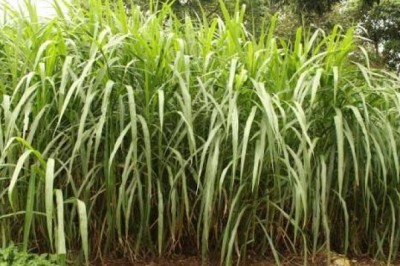
Sorghum-sudangrass hybrids are **annual, warm-season grasses** that can reach heights of **1.5 to 4 meters**, depending on variety and growing conditions.
**Key features include:**
* **Deep root system:** Provides excellent drought tolerance.
* **Thick stems and broad leaves:** Resembling sorghum but with finer, more flexible stems from the sudangrass parent.
* **Rapid regrowth:** After cutting or grazing, the crop quickly regenerates, allowing multiple harvests per season.
* **High biomass yield:** Produces 30–80 tons of green matter per hectare under optimal conditions.
* **Prussic acid content:** Like other sorghum species, the plant can produce hydrogen cyanide under stress (e.g., frost or drought), which requires careful management in livestock feeding.
---
=# 🌍 Climate and Soil Requirements
Sorghum-sudangrass hybrids are highly adaptable but thrive best in **tropical and subtropical climates** with **warm temperatures (25–35°C)**. They are sensitive to frost and perform poorly in cold or waterlogged soils.
**Ideal growing conditions:**
* **Rainfall:** 400–800 mm annually.
* **Soil:** Well-drained loamy or sandy soils with pH between 5.5 and 7.5.
* **Sunlight:** Full sun exposure for rapid growth.
* **Temperature:** Minimum soil temperature of 18°C for seed germination.
These hybrids are also renowned for their **drought resilience**, making them excellent for arid and semi-arid regions where other forages struggle to survive.
---
=# 🌾 Cultivation Practices
1. **Land Preparation:**
The soil should be ploughed and harrowed to create a fine seedbed. Sorghum-sudangrass hybrids can be broadcast or drilled in rows spaced 30–45 cm apart.
2. **Seed Rate:**
* **For grazing or green chop:** 25–35 kg/ha
* **For silage:** 20–30 kg/ha
3. **Sowing Time:**
Best sown at the beginning of the rainy season or when irrigation is available.
4. **Fertilization:**
The crop responds well to nitrogen fertilization. Apply **80–120 kg of nitrogen per hectare**, split between planting and after the first cut.
5. **Irrigation:**
Although drought-tolerant, supplemental irrigation enhances yields, especially in dry regions.
6. **Weed and Pest Management:**
Fast early growth suppresses most weeds. Regular monitoring for pests like armyworms and aphids is advised.
---
=# 🌿 Harvesting and Utilization
The timing of harvest depends on the intended use:
* **For grazing:** Begin when the plants are 60–90 cm tall.
* **For silage or hay:** Harvest at 1.2–1.5 meters or at the boot stage (before heading).
* **For multiple cuttings:** The first harvest can occur 45–55 days after sowing, with 2–3 regrowths possible under good management.
After cutting, allow regrowth before grazing again to prevent overgrazing and ensure plant persistence throughout the season.
---
=# 🐄 Nutritional Value
Sorghum-sudangrass hybrids provide **high-quality forage** with a good balance of energy and fiber, suitable for beef and dairy cattle, sheep, and goats.
Typical nutritional composition (on a dry matter basis):
* **Crude protein:** 10–16%
* **Digestible energy:** 55–60%
* **Fiber (NDF):** 55–65%
* **Dry matter content:** 20–25% (fresh)
When cut at the right stage, the forage is palatable and digestible. However, as plants mature, the fiber content increases, and digestibility declines.
---
=# ⚠️ Management Challenges and Safety Considerations
One key concern with sorghum-sudangrass hybrids is **prussic acid (hydrogen cyanide) toxicity**, which can occur under stress conditions such as drought, frost, or young regrowth after cutting.
**Precautions include:**
* Avoid grazing immediately after frost or severe drought.
* Delay grazing new regrowth until plants reach at least 60 cm.
* Ensiling (fermentation for silage) reduces cyanide levels.
Another challenge is **nitrate accumulation**, particularly when excessive nitrogen fertilizer is used under dry conditions. Proper fertilization and moisture management minimize this risk.
---
=# 🌎 Economic and Environmental Importance
Sorghum-sudangrass hybrids play a critical role in **sustainable livestock systems**, particularly in tropical and semi-arid regions. Their advantages include:
✅ **High yield potential:** Excellent for producing large amounts of green forage.
✅ **Low input requirement:** Thrives on marginal soils with limited irrigation.
✅ **Drought resistance:** Provides feed security during dry spells.
✅ **Soil improvement:** Adds organic matter and reduces erosion due to dense root systems.
✅ **Versatility:** Suitable for grazing, hay, silage, or green chop.
Economically, they reduce feed costs for farmers and support consistent milk and meat production, even in challenging environments.
---
=# 🌾 Future Prospects and Breeding
Research and breeding efforts continue to focus on developing **improved sorghum-sudangrass hybrids** with:
* Lower prussic acid levels
* Higher protein and digestibility
* Greater drought and pest resistance
* Enhanced adaptability to different soil types
Biotechnological advances are also being explored to enhance nutrient use efficiency and overall productivity.
---
=# 🌱 Conclusion
Sorghum-sudangrass hybrids stand out as one of the most **efficient and sustainable forage options** for livestock producers in tropical and subtropical regions. Their remarkable combination of high biomass yield, rapid regrowth, drought tolerance, and nutritional value makes them indispensable in modern forage systems.
With proper management—especially regarding harvest timing, fertilization, and grazing control—these hybrids can provide multiple cuttings of high-quality feed, supporting productive and resilient livestock farming even under adverse climatic conditions.
---









Comments
0 comment