





Kenaf’s fibers are used in a wide range of products — from paper and packaging to automotive composites and building materials. It is considered one of the most promising alternatives to wood pulp and synthetic fibers, making it a key crop in sustainable agriculture and green manufacturing industries.
This article explores everything about kenaf — its history, cultivation, fiber uses, market potential, environmental benefits, and challenges — and why it’s often called the “green fiber of the future.”
---
=# 🌿 A Brief History of Kenaf
Kenaf has been cultivated for over 4,000 years, originally in Africa, India, and parts of Southeast Asia. Ancient civilizations used it for ropes, sacks, and fishing nets. In the 20th century, researchers began exploring kenaf as a **renewable substitute for wood pulp**, given its fast growth rate and high fiber yield.
During World War II, kenaf was used by the United States for making ropes, canvas, and paper products. Later, it gained attention for its potential as a bio-based industrial crop due to its high cellulose content.
Today, kenaf is grown in over 20 countries, including China, India, Thailand, the United States, and several African nations. As global industries move toward **biodegradable and sustainable raw materials**, kenaf is experiencing renewed interest as a multi-purpose specialty crop.
---
=# 🌱 Botanical Overview
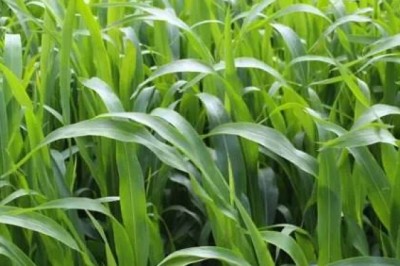
Kenaf is an **annual plant** that can grow 2–5 meters tall in 4–5 months. It has a thick, fibrous stalk and large leaves that resemble those of okra or cotton. The plant produces both **bast fibers** (from the outer bark) and **core fibers** (from the woody inner portion).
* **Scientific Name:** *Hibiscus cannabinus* L.
* **Family:** Malvaceae
* **Origin:** Africa
* **Crop Type:** Fiber crop
* **Parts Used:** Bast and core fibers
---
=# 🌾 Ideal Growing Conditions
Kenaf thrives in **warm, tropical and subtropical climates**, making it well-suited for regions in Africa, Asia, and Latin America. It is a hardy crop that adapts to various soils and growing environments.
* **Temperature:** 25°C–35°C (optimum range for rapid growth)
* **Rainfall:** 600–1,200 mm annually (requires consistent moisture)
* **Soil:** Well-drained loamy or sandy soils with pH 6.0–7.5
* **Sunlight:** Full sunlight (requires at least 12 hours per day)
Kenaf grows rapidly and can be harvested within 120–150 days, depending on variety and climate. Its short growth cycle allows for multiple rotations or integration into crop rotations with cereals or legumes.
---
=# 🌾 Cultivation Practices
== 1. **Land Preparation**
Kenaf fields should be well-tilled and free of weeds. Organic matter or compost is incorporated to boost fertility.
== 2. **Seed Sowing**
Seeds are planted directly in the field at the start of the rainy season.
* **Seed Rate:** 15–20 kg per hectare
* **Spacing:** 30–40 cm between rows
* **Germination:** Occurs within 5–7 days under warm, moist conditions
== 3. **Crop Management**
Kenaf requires minimal chemical inputs. It grows quickly, shading out weeds and improving soil health. Supplemental irrigation may be necessary in dry areas.
Fertilizers rich in nitrogen, phosphorus, and potassium enhance stem growth and fiber yield.
== 4. **Harvesting**
Kenaf is harvested **3–5 months after planting**, when lower leaves begin to yellow and stems reach maximum height. Delayed harvesting leads to coarser fibers.
Stalks are cut close to the ground, bundled, and prepared for retting — the process of separating fibers from the woody stem.
---
=# 💧 Retting and Fiber Extraction
The retting process is essential to obtain quality kenaf fibers.
* **Water Retting:** Bundles are submerged in ponds, rivers, or tanks for 7–15 days. Bacterial activity decomposes the pectin that binds fibers to the stem.
* **Mechanical Decortication:** Modern methods use machines to strip bast fibers quickly, reducing labor and water use.
* **Drying and Grading:** Fibers are washed, sun-dried, and graded by color, fineness, and strength.
Both bast and core fibers have distinct industrial applications. Bast fibers are long and strong, while core fibers are light and absorbent.
---
=# 🧵 Uses of Kenaf
Kenaf is one of the most **versatile natural fiber crops** in the world. Its uses extend across agricultural, industrial, and environmental sectors.
== 1. **Paper and Pulp Industry**
Kenaf’s high cellulose content (up to 70%) makes it ideal for papermaking. It produces **bright, strong, and durable paper** comparable to or better than wood pulp paper.
* Printing and writing paper
* Newsprint
* Specialty paper and packaging
== 2. **Textiles and Ropes**
Kenaf bast fibers are used for making **ropes, sacks, and coarse fabrics**. Blending kenaf with cotton or jute produces durable, breathable textiles.
== 3. **Building and Construction**
Kenaf fibers are used in **fiberboards, insulation panels, and biocomposites**. The lightweight core fibers serve as fillers in construction materials and **hempcrete-like bio-building blocks**.
== 4. **Automotive Industry**
Many car manufacturers use kenaf fibers in **door panels, dashboards, and trunk liners** due to their strength, light weight, and eco-friendliness.
== 5. **Agricultural and Environmental Applications**
* **Animal bedding** (absorbent and compostable)
* **Mulching material** and **erosion control mats**
* **Oil spill absorbents** (due to high absorbency)
== 6. **Bioenergy and Biofuel**
Kenaf stalks can be processed into **bioethanol or biomass fuel**, adding another income stream for growers.
---
=# 🌍 Environmental Benefits
Kenaf is considered a **green and sustainable crop** for several reasons:
1. **Rapid Growth and High Yield:** Can produce up to 20 tons of dry stalks per hectare within 4–5 months.
2. **Carbon Sequestration:** Absorbs more CO₂ per hectare than many trees, making it a carbon-negative crop.
3. **Low Input Requirements:** Requires minimal fertilizer, pesticide, and water compared to cotton or wood.
4. **Soil Health Improvement:** Deep roots prevent erosion and improve soil structure.
5. **Biodegradability:** All kenaf products are fully biodegradable, reducing environmental pollution.
Because of these benefits, kenaf fits well into global **climate-smart agriculture** and **circular economy** models.
---
=# 💰 Economic and Market Potential
Kenaf is emerging as a **high-value specialty fiber crop** in global markets, especially as industries shift toward sustainable alternatives to plastic and wood.
* **Major Producers:** China, India, Thailand, and the United States
* **Emerging Regions:** Nigeria, Kenya, and South Africa show great potential due to favorable climates.
* **Global Market Value:** The kenaf fiber market is estimated to exceed **USD 1 billion annually**, with strong growth expected in packaging and composites.
Demand is particularly high in **paper production, automotive components, bioplastics, and eco-packaging industries**. Farmers can benefit from the crop’s **short cycle and multi-use potential**, especially where processing facilities exist.
---
=# ⚠️ Challenges in Kenaf Production
Despite its many advantages, kenaf cultivation faces several hurdles:
1. **Limited Processing Facilities:** Fiber extraction and decortication require specialized equipment not widely available.
2. **Market Access:** Lack of organized supply chains and buyer networks in developing regions.
3. **Knowledge Gap:** Many farmers are unfamiliar with optimal cultivation and harvesting techniques.
4. **Price Fluctuations:** Market prices can vary depending on fiber demand and international trade policies.
5. **Retting Water Shortage:** Traditional retting consumes large amounts of clean water.
Investments in **research, mechanization, and training programs** can help unlock kenaf’s full potential for farmers and entrepreneurs.
---
=# 🔮 The Future of Kenaf as a Specialty Crop
As industries seek renewable materials, kenaf stands out as a **next-generation green fiber crop**. It combines high productivity, versatility, and sustainability — making it a strategic choice for both small-scale and commercial farmers.
Innovations in **bioplastics, natural composites, and non-wood paper** are expanding the global kenaf market. Many governments and companies are supporting kenaf as part of their **bioeconomy and sustainability initiatives**.
In Africa, kenaf offers great promise for **job creation, import substitution, and rural industrialization**. It can complement crops like jute and hemp, helping the continent tap into the booming global demand for eco-friendly materials.
---
=# 🌾 Conclusion
Kenaf is a powerful example of how agriculture can meet modern sustainability goals. Its fast growth, multiple industrial uses, and environmental benefits make it a **key specialty and niche crop** for the future.
Whether used to make strong paper, lightweight car parts, or biodegradable packaging, kenaf provides a renewable alternative to non-renewable resources. With proper investment in research, processing infrastructure, and farmer training, kenaf could become a **cornerstone crop** in sustainable fiber industries worldwide — and a profitable option for farmers seeking to diversify into high-value green crops.
---





Comments
0 comment