



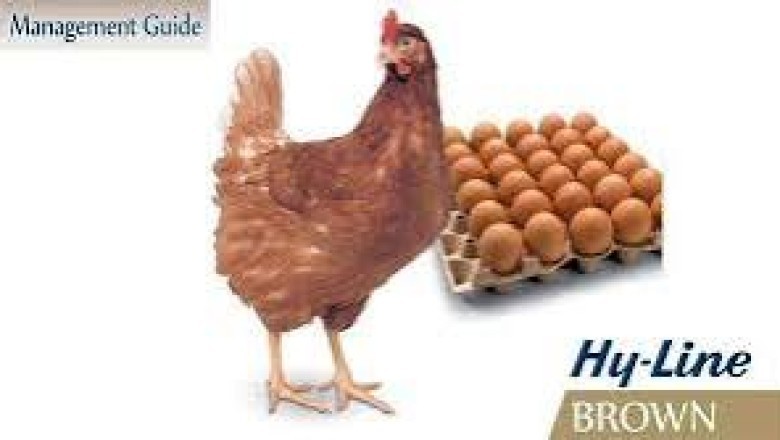

=# Origins and Genetics
Hy-Line Brown chickens were developed by Hy-Line International, a pioneer in poultry genetics founded in the 1930s. The company has grown into a global leader in layer breeding, producing specialized hybrids to meet different market demands.
The Hy-Line Brown itself is a hybrid layer, often referred to as a “sex-link” because the chicks can be easily sexed at hatching based on feather color. Females have brown plumage, while males are lighter or white. This trait makes hatchery management easier and ensures that farmers can quickly identify and raise female chicks for egg production.
Although the exact breeding lines are proprietary, the Hy-Line Brown is thought to have been developed from Rhode Island Red and White Leghorn ancestry. The combination brings together the Rhode Island Red’s strong body type and egg color with the Leghorn’s prolific laying ability and efficiency.
---
=# Egg Production and Performance
Hy-Line Browns are famous for their impressive egg output. Under good management and feeding conditions, a single hen can produce more than 480 eggs by 100 weeks of age. By 80 weeks, many hens will already have laid over 350 eggs. This makes them one of the most productive brown-egg layers available.
Not only do Hy-Line Browns lay in large numbers, but their eggs are also uniform, with strong shells and a rich brown color that appeals to consumers. Egg weight quickly reaches a desirable size, with many hens producing large to jumbo-sized eggs early in their laying cycle.
In backyard settings, owners often report that their Hy-Line Browns lay about 300 eggs per year, making them dependable daily producers.
---
=# Feed Efficiency and Management
Another defining trait of the Hy-Line Brown is its excellent feed-to-egg conversion ratio. These hens make the most of the food they eat, converting it into eggs with remarkable efficiency. This keeps production costs low for commercial farms while ensuring backyard keepers also get a steady supply of eggs without excessive feed bills.
Proper management is essential for getting the best out of Hy-Line Browns:
1. **Brooding Stage (0–6 weeks):** Chicks need a high-protein starter feed in crumble form. This phase supports rapid growth and early development.
2. **Grower Stage (6–11 weeks):** Feed should shift to a balanced grower diet that emphasizes skeletal growth while avoiding excessive weight gain.
3. **Developer Stage (12–16 weeks):** Nutrient levels should be controlled to prevent the pullets from becoming overweight, as this can negatively affect egg laying later.
4. **Pre-lay Stage:** A special diet is often introduced just before the onset of laying, providing additional calcium for shell formation.
5. **Layer Stage:** Once egg production begins, hens require a high-calcium layer feed to maintain shell quality and overall health.
Successful farmers adjust feed according to the birds’ body weight and condition, rather than just their age. This ensures hens stay healthy and productive throughout their laying cycle.
---
=# Temperament and Suitability
Hy-Line Browns are well-known for their friendly and calm nature. They adapt easily to different environments and interact well with people, making them a good fit not only for commercial systems but also for small-scale backyard flocks.
They are curious, active, and enjoy foraging when allowed outside. Many backyard keepers find them gentle enough to be kept around children. Unlike some heritage breeds, Hy-Line Browns are not very broody, meaning they rarely stop laying to sit on eggs. While this is an advantage for egg producers, it does make them less suitable for those who wish to hatch their own chicks.
---
=# Egg Quality and Shell Strength
Consumers value Hy-Line Brown eggs because they are consistent in size, color, and shell strength. Eggshell durability is especially important for commercial farms, as it reduces losses during transport and handling. Hy-Line eggs are not only appealing in appearance but also have good internal quality, with strong yolks and whites.
Some strains, such as the Hy-Line Brown Max, are bred for even better shell color and weight consistency, catering to markets that demand premium eggs.
---
=# Adaptability to Production Systems
One of the reasons for the global success of the Hy-Line Brown is its versatility. These birds perform well in a wide range of production systems, including:
* Conventional cages
* Enriched colony housing
* Barn or aviary systems
* Free-range or pasture-based setups
Their robust genetics and adaptability make them suitable for diverse climates and management styles. This explains why they are raised successfully on every continent where poultry farming is practiced.
---
=# Longevity and Lifecycle
Commercial Hy-Line Browns are typically kept for one laying cycle, which lasts about 80 to 100 weeks. After this period, egg production slows, and it becomes less economical for farms to keep them. They are then usually sold or replaced with new pullets.
In backyard environments, however, these birds can live several years. While their egg production declines after the first two years, many continue to provide a steady supply of eggs for longer, alongside companionship for their keepers.
---
=# Backyard Keeper Experiences
For small-scale and hobby farmers, Hy-Line Browns are often a top choice. They mature early, beginning to lay at around 18 to 20 weeks of age. Once laying, they maintain a reliable routine, often producing an egg nearly every day.
Backyard keepers often describe them as affectionate and easy to handle. They adapt quickly to being around humans and can even be trained to return to the coop or take food from the hand.
---
=# Strengths and Considerations
**Strengths:**
* Exceptional egg production (300–480+ eggs depending on management)
* Efficient feed conversion
* Friendly and calm temperament
* Consistent egg quality and strong shells
* Adaptable to various housing systems
* Early maturity and steady laying cycle
**Considerations:**
* Shorter lifespan compared to heritage breeds
* Not suitable for breeding pure offspring (due to hybrid status)
* Rarely go broody, making natural incubation unlikely
* Require careful diet management to prevent obesity or shell problems
---
=# Conclusion
The Hy-Line Brown has earned its reputation as one of the best commercial layer hybrids in the world. Its ability to produce large numbers of high-quality eggs, combined with its resilience and efficiency, makes it the breed of choice for many egg producers.
For backyard chicken enthusiasts, the Hy-Line Brown offers the best of both worlds: friendly companionship and a steady supply of delicious brown eggs. While it may not have the long lifespan or brooding instincts of traditional breeds, its productivity and adaptability more than make up for it.
Whether in a large commercial farm or a small suburban garden, the Hy-Line Brown continues to set the standard for egg-laying hens.
---









Comments
0 comment