





= Origins and History
The **Ayrshire breed** traces its origins to **Ayrshire County in southwest Scotland** during the early 19th century. Farmers in the region selectively bred local cattle with imported stock from Holland and possibly other European breeds. The goal was to create a hardy cow capable of producing large amounts of milk in often challenging conditions—cold winters, wet pastures, and rough terrain.
By the mid-1800s, the breed had gained recognition for its milk production and was formally named the **Ayrshire**. Exports soon followed, with Ayrshires introduced into North America, Africa, Australia, and Asia. Today, they remain a popular choice in many regions where farmers seek both productivity and resilience.
---
= Physical Characteristics
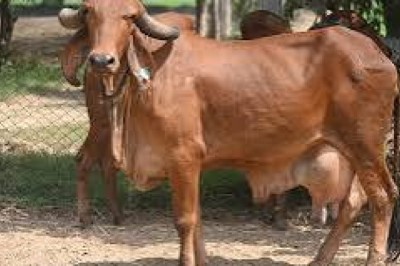
Ayrshire cattle are easily recognizable by their **distinctive red and white markings**. The red color can vary from a deep mahogany to a lighter chestnut, and the patterns are often well-defined rather than blended. Unlike Jerseys or Guernseys, Ayrshires are **medium-sized cattle** with a balanced body frame ideal for both efficiency and durability.
* **Average weight (cows):** 450–600 kg
* **Average weight (bulls):** 700–900 kg
* **Height at withers:** 125–135 cm
Ayrshires are known for their **straight back, strong legs, and sound udder structure**. Their udders are well-attached and symmetrical, making them suitable for both hand and machine milking. These physical traits contribute to their reputation for longevity and consistent performance across multiple lactations.
---
= Milk Production Qualities
The Ayrshire is primarily a **dairy breed** and has been developed to optimize both **quantity and quality of milk**. While it does not produce as much volume as Holstein-Friesians, Ayrshire milk is well-regarded for its **balanced fat-to-protein ratio**, which makes it especially valuable for cheese and butter production.
* **Average annual milk yield:** 6,000–8,000 liters (under good management, yields can exceed 9,000 liters)
* **Milk fat content:** 4.0–4.4%
* **Protein content:** 3.3–3.5%
This balance between yield and quality allows Ayrshire milk to serve both liquid consumption markets and value-added dairy processing industries. Farmers often appreciate that Ayrshire cows maintain consistent production without requiring the intensive feeding regimens often needed for higher-yielding breeds.
---
= Adaptability and Hardiness
One of the greatest strengths of Ayrshire cattle is their **adaptability**. Originating from Scotland, they evolved to thrive in harsh conditions, and this genetic resilience has made them popular worldwide.
=# Climate Tolerance
Ayrshires perform well in both temperate and tropical regions. They can withstand colder environments better than Jersey or Guernsey cattle, thanks to their thicker hides and robust constitution. At the same time, they adapt well to warmer climates provided they have adequate shade and water.
=# Feeding Efficiency
Ayrshires are efficient grazers with a strong ability to convert **pasture and forage into milk**. This makes them particularly suitable for grass-based or low-input dairy systems where reliance on purchased feed is minimized. Farmers in developing regions appreciate this efficiency, as it lowers costs while maintaining production.
=# Disease Resistance and Longevity
Compared to some high-yield breeds, Ayrshires generally show **fewer health problems** related to calving, mastitis, and metabolic disorders. Their **sturdy bone structure and good udder conformation** further reduce culling rates, enabling them to remain productive for many lactations.
---
= Economic and Practical Advantages
Ayrshire cattle offer several economic benefits to dairy farmers:
1. **Lower Maintenance Costs** – Their ability to thrive on pasture reduces reliance on expensive feed concentrates.
2. **Balanced Milk Production** – With good volume and quality, Ayrshire milk is well-suited for both fresh consumption and processing.
3. **Longevity** – Longer productive lifespans mean farmers spend less on replacements.
4. **Ease of Calving** – Ayrshires generally calve easily, reducing veterinary costs and improving herd productivity.
5. **Crossbreeding Potential** – They are sometimes crossbred with other dairy breeds (such as Holstein or Jersey) to combine resilience with higher yield or butterfat content.
---
= Ayrshire vs. Other Dairy Breeds
When compared to other leading dairy breeds, Ayrshires hold a unique position:
* **Holstein-Friesian** – Higher yields but more expensive to maintain, with greater susceptibility to health problems.
* **Jersey** – Richer milk with higher butterfat, but Jerseys are smaller and produce less volume.
* **Guernsey** – Known for golden-yellow milk, but less hardy than Ayrshires in rough conditions.
* **Brown Swiss** – Similar in hardiness and milk quality, but larger in size and requiring more feed.
Thus, Ayrshires are often seen as the **middle ground**—a breed that combines the best of both worlds: good milk yield with strong resilience.
---
= Modern Role in Dairy Farming
In today’s dairy industry, efficiency and sustainability are key priorities. Ayrshires play a valuable role in achieving these goals. With their ability to thrive on **low-input systems**, they are especially attractive to **organic dairy farmers** and those in regions with limited access to high-quality feed.
In addition, the growing demand for **artisanal dairy products** like specialty cheeses has boosted the value of Ayrshire milk due to its excellent balance of fat and protein. In countries like the United States, Canada, South Africa, and New Zealand, Ayrshires continue to be maintained in both purebred and crossbred herds.
---
= Challenges Facing Ayrshire Farmers
Despite their advantages, Ayrshires face challenges:
* **Competition from Holsteins** – In commercial operations where maximum volume is prioritized, Ayrshires may be overlooked.
* **Limited Global Numbers** – Ayrshire populations are smaller than those of major breeds, which may affect genetic diversity and breeding opportunities.
* **Consumer Awareness** – Unlike Jersey or Guernsey milk, Ayrshire milk is not widely marketed as a specialty product, limiting its niche potential.
To address these challenges, breed associations and farmer cooperatives are working to promote Ayrshire cattle as a sustainable and profitable option for the future of dairy farming.
---
= Conclusion
Ayrshire cattle are a breed that represents **balance, resilience, and efficiency**. From their origins in the rugged landscapes of Scotland to dairy farms across the world, they have earned a reputation as dependable milk producers with relatively low input requirements. Their adaptability, strong constitution, and consistent milk quality make them an attractive choice for farmers seeking sustainability and profitability in today’s dairy industry.
While they may not always match the yield of Holsteins or the richness of Jersey milk, Ayrshires strike a valuable middle ground. For dairy farmers aiming to combine productivity with resilience and cost-efficiency, Ayrshires continue to prove their worth as one of the most reliable dairy breeds in the world.
---









Comments
0 comment